




England: The Heartbreak Artists
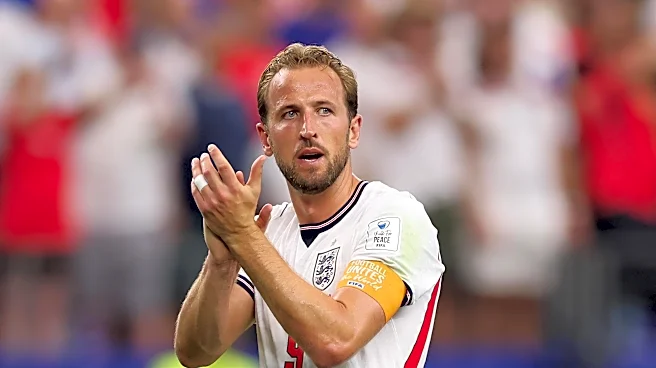
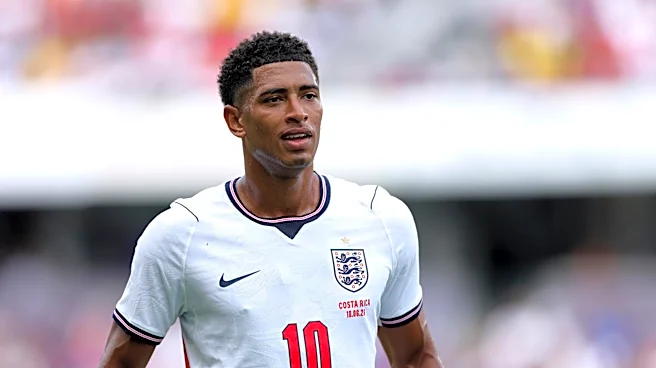
On paper, it makes sense. They speak English, their Premier League is spectacular, and their roster is a who's who of global talent. Adopting England feels like a natural choice. Do not fall into this trap. Rooting for England is an exercise in exquisite
pain. No nation combines soaring, irrational hope with soul-crushing, inevitable failure quite like them. Their journey is a predictable three-act play: a breezy group stage, a nation whipped into a frenzy by its own tabloid press, and a devastating exit, usually via the gut-wrenching cruelty of a penalty shootout. The narrative is always about pressure, 50-plus years of hurt, and whether this is *finally* the year. It never is. You’re not just signing up to watch soccer; you’re signing up for a month-long national melodrama that ends in tears. If you enjoy emotional stability, look elsewhere.
France: The Frontrunner’s Choice
Want to tell the world you have the personality of a stock photo? Pick France. Les Bleus are, without question, one of the most dominant forces in world football. Their talent pool is so deep their B-team could probably make the semifinals. And that’s precisely the problem. Adopting them as your second team is like being a Lakers fan in the 80s or a Patriots fan in the 2010s. There’s no romance, no discovery, no underdog spirit. The only acceptable outcomes are winning the entire tournament or spectacular, scandalous implosion. Anything in between is a disappointment. When they win, you feel nothing, because they were supposed to. When they lose, you don’t get to feel the noble sadness of a plucky fan; you just look like a bandwagoner who picked the wrong horse. The joy of a second team is in the journey. France’s journey is a corporate-sponsored procession to the podium. Skip it.
Portugal: The Agents of Frustration
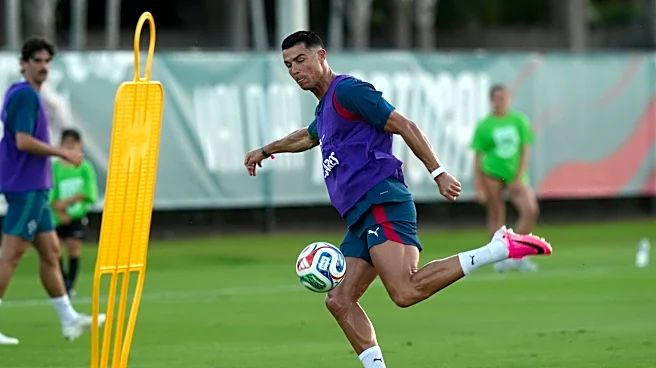
For a nation that has produced some of the most elegant and thrilling attackers in history, Portugal sure can be a chore to watch. They are the ultimate 'play to the level of their competition' team, capable of both dismantling a powerhouse and struggling to a 1-0 win against a minnow. You never know which Portugal will show up: the free-flowing attacking force or the frustratingly cautious, pragmatic side that seems allergic to risk. By 2026, the Cristiano Ronaldo era will likely be a memory, but the team’s identity crisis may remain. They’ll have enough individual talent—Bruno Fernandes, Rafael Leão, Bernardo Silva—to make you believe, but their tactical approach can feel like a handbrake is permanently engaged. Watching Portugal is often an hour and a half of muttering, “Just attack already!” It’s a frustrating experience for a neutral looking for entertainment.
Uruguay: The Beautiful Game’s Villains
Every tournament needs a bad guy, and Uruguay has gleefully played that role for decades. This is not a team for the faint of heart. While they possess world-class talent, their footballing philosophy is famously rooted in 'garra charrúa'—a term that loosely translates to grit, tenacity, and a borderline-maniacal will to win at any cost. In practice, this often means cynical fouls, theatrical dives, time-wasting, and a general mastery of soccer's dark arts. They are the team that will do whatever it takes, and while their fans see it as passion, the rest of the world often sees it as cheating. Remember Luis Suárez's infamous handball on the goal line against Ghana? That’s Uruguay in a nutshell: they’ll break the rules and your heart without a second thought. If you want to root for a team that plays beautiful, flowing soccer, this isn't it. This is the team you learn to hate, not love.