


Beyond the Blockbuster Buzz
For decades, the heart of San Diego Comic-Con seemed to beat loudest in Hall H, where major studios unveil their next multi-billion-dollar epics to thousands of screaming fans. It’s a spectacle of 'what’s next.' But wander the halls of the convention
center, and you'll find a powerful counter-current. In smaller, more intimate rooms, a growing number of fans are bypassing the celebrity hype for something more tangible: a look under the hood. Panels with names like "Creature Craft" and workshops on monster-making are becoming standing-room-only events. These sessions aren't about teaser trailers; they're about the meticulous, often mind-bending process of bringing the impossible to life. The focus shifts from the actor in the suit to the artist who designed the suit, sculpted the head, and decided just how many teeth a space monster should have. It's a hunger for craft in an age of digital saturation.
Meet the Monster Makers
So, who are the rock stars of these panels? They're the veteran artists and effects wizards whose work you know, even if you don't know their names. Think of panels featuring creatives from studios like Weta Workshop or Legacy Effects, the minds behind the aliens of Avatar or the dinosaurs of Jurassic Park. At this year's convention, the trend continued with a variety of behind-the-scenes discussions. For instance, the "Creature Craft: Visionaries of Horror Comics" panel brought together creators to discuss their secrets for designing things that go bump in the night. Other sessions focused on the broader world of production design, visual effects, and sound, featuring the talent behind shows like Spider-Noir and The Boys. These artists offer more than just a PowerPoint of cool designs; they break down their entire thought process, from initial napkin sketch to final on-screen terror. They are the modern-day masters of a specialized art form, and for a dedicated audience, they are the real headliners.
From Sketch to Scream
A 'deep dive' is exactly what it sounds like. These panels are graduate-level courses crammed into a 60-minute slot. An artist might spend twenty minutes just on the anatomical logic of a creature's jaw, explaining how its musculature is designed to produce a specific kind of roar. They’ll pull up 3D models in ZBrush, show off practical sculpting techniques with clay, and discuss the psychological impact of using certain colors or textures. It's a fascinating look at how storytelling is embedded in design. Fans learn why a monster's eyes are placed a certain way to evoke empathy or fear, or how a creature's silhouette is designed to be instantly recognizable. These sessions demystify the magic, but in doing so, they create an even deeper appreciation for the final product. It’s one thing to be scared by a monster; it's another to understand exactly why it's so scary.
The Hunger for Authenticity
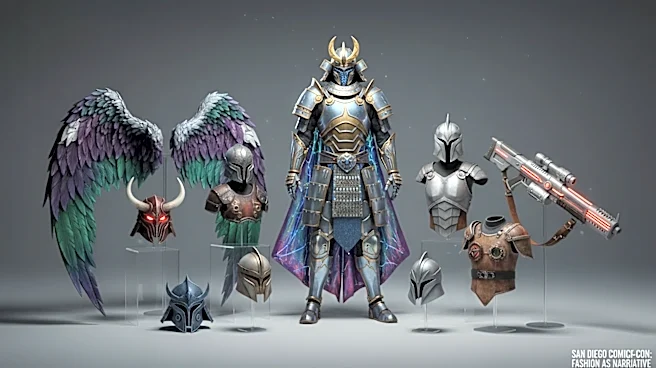
Why is this happening now? Part of it is a natural evolution of fandom. As audiences become more sophisticated, their interest in the 'how' grows. The proliferation of behind-the-scenes documentaries on streaming services has given viewers unprecedented access to the production process, stoking a desire for more. Furthermore, in a world dominated by slick CGI, there's a palpable craving for the tangible and the handmade. Panels that discuss practical effects, model making, and even cosplay craftsmanship tap into a desire for authenticity. Events like the annual Masquerade costume competition have been celebrating attendee craftsmanship for decades, proving this interest isn't new, just newly amplified. Fans don't just want to consume the stories; they want to connect with the artists who pour their souls into every scale, feather, and fang. These deep dives provide a direct, unfiltered connection to the creative spark, something no blockbuster trailer can replicate.