




The Stillness of a predator
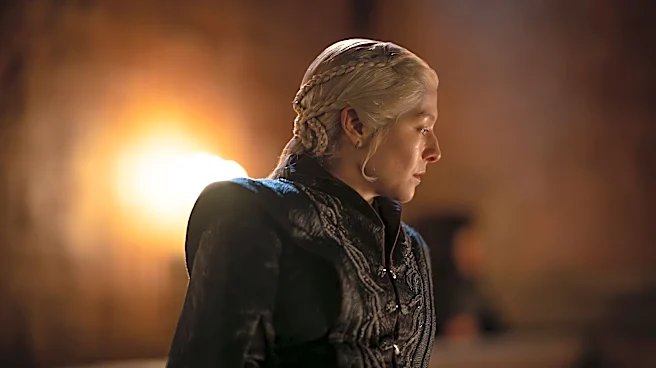
Watch Otto Hightower in any scene. While other lords fret, posture, or shout, he is an island of unnerving calm. Rhys Ifans plays the Hand of the King with a profound physical stillness, a technique that paradoxically makes him the most commanding presence
in the room. His shoulders are rarely tensed, his hands seldom gesticulate. This isn't the passivity of a man with no power; it’s the profound confidence of a man who knows he has already won the argument before it has begun. When Viserys rages or Daemon preens, Otto simply absorbs the energy, his placid expression a mask for the furious calculations happening within. This physical control is his greatest weapon. In a world of fire and blood, his refusal to participate in the emotional chaos of the court makes him seem above it, like a department head patiently waiting for a pointless, noisy meeting to conclude so he can get back to the real work.
The Voice of Reasoned Treason
Just as crucial as his stillness is Ifans’ vocal delivery. Otto Hightower never raises his voice. He delivers catastrophic news, plants seeds of sedition, and condemns his enemies with the same dry, measured tone a CFO might use to deliver a quarterly earnings report. There is no glee in his machinations, no cackling satisfaction. When he pressures his daughter, Alicent, to comfort the grieving king, his voice isn't that of a scheming vizier but a concerned father offering pragmatic, if grim, advice. This is the core of the performance: it reframes earth-shattering political ambition as a series of logical, necessary steps. For Otto, deposing one line of succession and installing his own blood is not a passionate coup; it’s a strategic realignment, a course correction for the good of the organization. Ifans makes you believe that, in Otto’s mind, he’s not committing treason—he’s just filling out the paperwork.
The Bureaucracy of Betrayal
Unlike more transparently self-serving figures in the *Game of Thrones* universe, like Littlefinger, Otto’s ambition is cloaked in the language of duty. Ifans portrays a man who seems genuinely, tragically convinced that his actions are for the good of the realm. He sees the Targaryen dynasty’s penchant for chaos and impulsivity as a liability—a variable that needs to be controlled. His solution is to install his own grandson, a calm and pliable boy, on the Iron Throne. This isn't a grab for personal glory; it’s a long-term institutional strategy. The horror of his character is that he treats his own daughter as a political asset, a key piece in his decades-long plan. His ambition isn’t hot and fiery; it’s cold, patient, and procedural. It’s the ambition of a tenured professor securing his legacy, not a warrior king conquering a city.
A Modern Kind of Monster
Perhaps what makes Ifans’ portrayal so unsettling is how familiar it feels to a modern audience. We understand the cackling, magical overlord as pure fantasy. But the quiet, gray-suited functionary who enables horror through policy and procedure? That’s a villain we see in our own world. Otto Hightower is the personification of institutional rot. He is the man who will look you in the eye and explain, calmly and rationally, why your ruin is a necessary and unavoidable consequence of maintaining stability. Ifans strips the character of all melodrama, leaving behind something far more terrifying: the banality of evil, dressed up in the robes of a king’s advisor. His ambition feels less like a quest for a crown and more like a hostile corporate takeover executed with painstaking, passionless precision.