






The Anatomy of a Metallic Shadow
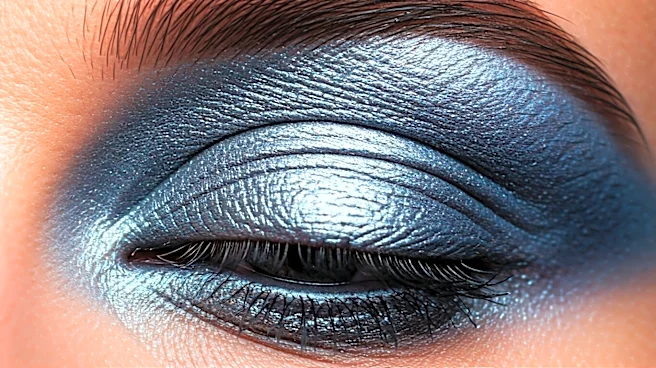
Before we get to the lighting, let's talk about what makes a metallic shadow *metallic*. Unlike its matte or satin cousins, a metallic eyeshadow is packed with tiny, flat, light-reflecting particles. The most common ingredient is mica, a natural mineral that’s ground into fine, pearlescent flakes. Sometimes, it’s bismuth oxychloride or synthetic versions that provide an even smoother, more intense sheen. Think of these particles not as simple glitter, which are chunkier and reflect light in random, disco-ball-like directions, but as microscopic mirrors. When packed together in an eyeshadow formula, they create a uniform, foil-like surface. This smooth, reflective plane is key. While a matte shadow absorbs light to create depth and shadow, a metallic one
is engineered to do the exact opposite: to catch and powerfully bounce light back.
The Challenge of Award Show Lighting
The lighting at a major event like the AMAs is anything but gentle. It's a complex, high-intensity assault designed for high-definition television cameras. You have powerful key lights, fill lights from multiple angles to eliminate shadows, camera flashes popping from every direction, and dynamic, colored stage lights. It’s an environment built to capture every detail for millions of viewers at home. For a makeup artist, this is a nightmare scenario for subtle makeup. The sheer brightness can wash out delicate colors, flatten features, and turn a beautifully blended contour into a muddy mess. A soft, smoky eye can completely disappear under the glare. The light is so strong and multi-directional that it requires makeup with its own powerful, built-in response system.
How Metallics Fight Back and Win
This is where metallic eyeshadow proves its worth. Because its surface is composed of countless tiny mirrors, it doesn’t matter which direction the light comes from. Whether it's a photographer's flash, an overhead rig, or a roving spotlight, the metallic shadow will catch that light and reflect it. This creates a powerful, high-impact effect that refuses to be washed out. More importantly, it creates its own dimension. As the celebrity moves their head, the light plays across the foiled surface of the eyelid, creating a liquid-metal effect that looks alive. It ensures the eyes remain a focal point, drawing attention and adding a dynamic quality to the overall look that a simple matte or satin shadow couldn't possibly achieve under such intense conditions. It’s not just surviving the lighting; it’s using it as an accessory.
The Makeup Artist's Strategic Advantage
No makeup artist simply slaps on a metallic and hopes for the best. They use specific techniques to maximize the effect. First, a gripping primer or a dedicated glitter glue is essential. This creates a tacky base that holds the metallic particles in place, preventing fallout and intensifying the foiled finish. They are essentially creating the smoothest possible canvas for those tiny mirrors to adhere to. Second is the art of layering. An artist will often build depth in the crease with a matte shadow first. This creates a contrast that makes the metallic lid pop even more. The matte shadow absorbs light, creating a perceived recess, while the metallic lid pushes forward by reflecting light. It’s a classic art principle of light and shadow, executed on a canvas the size of an eyelid. Finally, placement is everything—concentrating the metallic on the center of the lid makes the eye appear rounder and more open, perfectly catching the forward-facing lights.