





The Tactical Symphony Exposed
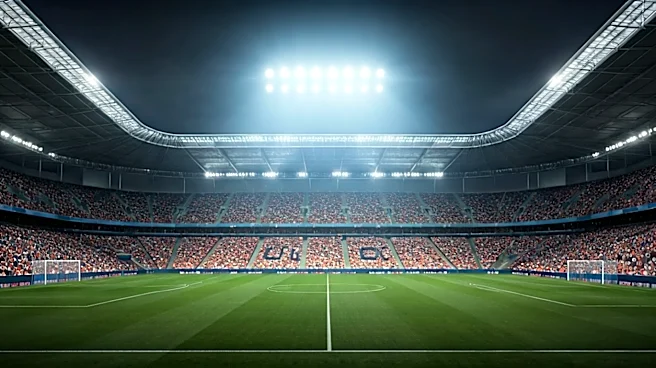
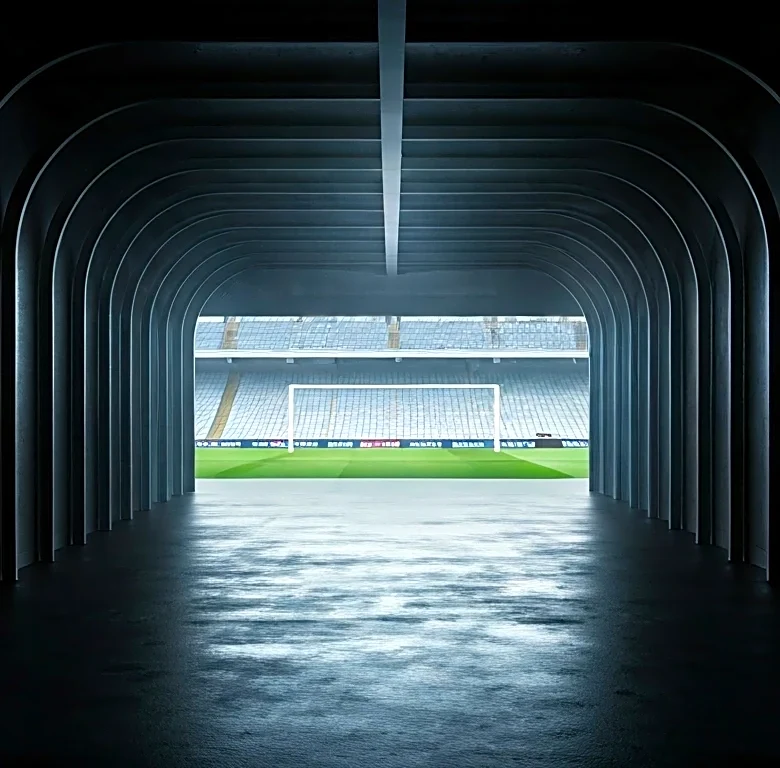
The first thing you notice in a silent stadium isn't the silence itself, but the sounds it uncovers. Every thud of a boot connecting with the ball, every gasp for air, and most importantly, every shout from a player or coach becomes crystal clear. For
decades, the tactical side of soccer has been a partially muted art form, with managers using hand signals and players relying on instinct honed in the deafening cauldron of fan noise. When that noise disappears, the game's raw audio track is exposed. Suddenly, you can hear the goalkeeper organizing his defense, the midfielder demanding the ball, and the coach barking instructions from the touchline. This environment turns a match into an open-air classroom. It reveals the intricate communication that underpins elite-level play, a constant stream of information that is normally drowned out. The silence doesn't just empty the space; it fills it with the unfiltered sounds of the game itself.
The Psychological Weight of a Void
An empty stadium is not a neutral venue; it's a psychologically charged space defined by a massive absence. Players are performers, and many thrive on the energy of the crowd—both the cheers and the jeers. Superstar Cristiano Ronaldo famously admitted he found playing in empty stadiums "boring" and that he missed being booed. This speaks to a deeper truth: athletes often harness the emotional energy of the stands as fuel. Without it, the motivation becomes purely internal. For some, this is a relief, removing the intense pressure of thousands of expectant faces. For others, the quiet is disconcerting, a constant reminder of what's missing. Research conducted during the pandemic showed that the famous "home advantage" was nearly cut in half without fans, suggesting the crowd's influence on players and even referees is immense. The silence, in this sense, is the sound of that advantage evaporating.
When Silence Becomes a Statement
Sometimes, an empty stadium is a deliberate act—a punishment or a protest. When a team is forced to play "behind closed doors" as a sanction for fan behavior, such as racist chanting, the silence is the message. It's a penalty designed to hit the club and its supporters where it hurts, stripping away the communal joy of the game. In these moments, the empty seats are louder than any chant, broadcasting the consequences of unacceptable actions to the world. Similarly, a match played in a vacant stadium due to civic unrest, like Barcelona's game during the Catalan independence referendum in 2017, turns the silence into a powerful political symbol. The quiet isn't just an absence of fans; it's a reflection of a society in turmoil. It demonstrates that as much as we try to separate them, the game and the world outside the turnstiles are inextricably linked.
The Uncanny Valley of Fake Crowd Noise
The era of empty-stadium soccer also gave rise to a bizarre phenomenon: artificial crowd noise. Broadcasters, worried that viewers at home would be turned off by the sterile atmosphere, began piping in pre-recorded chants and reactions, often sourced from video games like EA Sports' FIFA series. This created a strange, uncanny valley for viewers. While some found it a comforting layer of normalcy, many fan groups protested, arguing it was a disingenuous attempt to paper over the reality of the situation. The choice between the raw, sometimes awkward, sounds of the game and a manufactured soundtrack highlighted just how integral fans are to the broadcast product. The fake noise was loud, but the debate it sparked was about the meaning of the silence it was trying to cover up. It proved the legendary Scottish manager Jock Stein's famous saying: "Football without fans is nothing."