
The Old Guard: Industry Trophies
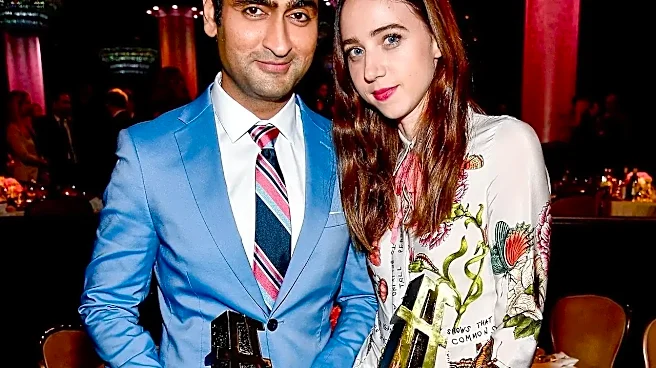
For years, the podcast awards landscape looked a lot like a smaller, more intimate version of the Emmys or Oscars. Prestigious panels at awards like The Ambies would judge submissions based on familiar metrics: production quality, sound design, reporting
rigor, and narrative structure. The winners were often established players from legacy media institutions. This model was created by the industry, for the industry. It recognized technical craft and journalistic excellence, but often overlooked the scrappier, independent shows that were building devoted communities in the background. The language of these awards was one of prestige and polish, a top-down validation from established gatekeepers. Listeners were largely passive observers, consuming the content but having little say in what was deemed “the best.”
The Rise of the Creator-Fan Bond
The ground started to shift long before any awards categories did. Younger audiences, particularly Gen Z, grew up in a different media ecosystem. They discovered content not through traditional channels, but through social media and platforms like YouTube and TikTok. This created a new dynamic: the creator-fan relationship. Unlike the one-way broadcast model of old media, this was a two-way conversation built on authenticity, community, and a sense of shared identity. For these listeners, a podcast host isn’t just a voice; they're a personality to follow on social media, a community leader to engage with, and a creator to support directly. This generation doesn't just consume content—they feel a sense of ownership and personal connection to it, which changes their entire motivation for engagement.
From Listeners to Digital Armies
This intense creator-fan bond has now been weaponized for awards season. When a show is nominated for a fan-voted honor, like a Signal Listener's Choice Award or a People's Choice Podcast Award, it's no longer just a request for a simple click. It’s a call to arms. Hosts activate their communities, and in response, fans organize campaigns on Discord, create memes for social media, and coordinate voting efforts. They aren't just voting for a podcast; they're fighting for their creator and their community. This mobilization turns “listeners’ choice” categories from a nice-to-have into the main event, often generating more buzz and engagement than the juried awards themselves. It proves that a loyal, organized fanbase can be more powerful than a massive, passive audience.
What 'Best' Means Now
Ultimately, this shift has forced a redefinition of what makes a podcast “award-worthy.” For a younger, digitally native audience, slick production is table stakes, not the main differentiator. The new language of excellence is rooted in authenticity and impact. “Best” might now mean the host who feels most like a real friend, the show with the most vibrant fan community, or the content that best reflects their values. It’s less about objective quality and more about subjective connection. Awards are increasingly recognizing this reality, with even mainstream events like the Golden Globes adding podcast categories to stay culturally relevant. While juried awards will always have their place in recognizing technical mastery, the undeniable energy and influence now lies with the listeners who are voting with their time, their wallets, and their relentless online advocacy.