




The High-Stakes Spectacle
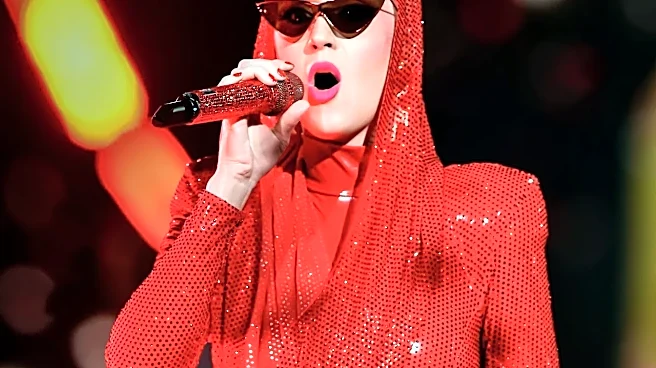
A performance at the VMAs is more than just a song; it's a high-stakes, multi-million-dollar production designed to create a cultural moment. The pressure is immense. Artists are expected to deliver cinematic visuals, flawless vocals, and complex choreography,
all within a tight, chaotic broadcast schedule where dozens of set pieces are moved on and off stage. Unlike a standard concert, there are no do-overs. The set has to be built in the parking lot and assembled in minutes between acts. With millions watching and careers on the line, there is simply no room for error, whether it’s a faulty microphone, a missed cue, or a wardrobe malfunction. This unforgiving environment is precisely why production teams turn to pre-recorded elements as a form of insurance.
More Than Just Lip-Syncing
When people hear “pre-recorded,” they often jump to “lip-syncing,” but the reality is far more nuanced. The term covers a wide array of audio and visual components prepared before the show. This includes supplemental backing vocals to create a fuller sound, harmonies that are too complex to replicate live, and layered instrumental tracks that feature synths, strings, or other studio effects. Many modern songs have dozens of audio layers that simply can't be recreated by a touring band. Some artists may blend a live lead vocal with a pre-recorded support track to add power and consistency, especially during physically demanding dance routines. And on the visual side, the massive, dynamic video walls that define modern VMA stages are entirely pre-produced and synced to the track, creating an immersive world for the performer.
Mitigating Risk, Maximizing Artistry
The primary goal of using pre-recorded elements is to control the chaos. For artists with rigorous dance routines, relying on a supporting vocal track is a pragmatic choice to avoid sounding breathless. It also preserves their voices over long and grueling tour schedules. In the unpredictable acoustic environments of large arenas, backing tracks ensure a consistent, polished sound for the television broadcast, matching the quality fans are used to from the studio album. This is about meeting audience expectations. It allows artists to focus on the performance itself—the dancing, the acting, the connection with the camera—without worrying that a technical glitch or a moment of vocal fatigue will derail the entire segment. It’s less about faking it and more about ensuring the artistic vision is realized without a hitch.
When It Works, It's Magic
Some of the most legendary VMA performances were successful precisely because they seamlessly integrated live and pre-recorded components. Beyoncé’s 16-minute “Lemonade” medley in 2016 was a masterclass in production, blending fiery live vocals with intricate choreography and video elements that would have been impossible without a pre-set foundation. Similarly, Lady Gaga’s theatrical productions, like her 2009 “Paparazzi” performance, have always relied on a bedrock of pre-produced audio and cues to allow for shocking visual storytelling. These moments aren't remembered for their technical support; they're remembered for their raw energy and spectacle, proving that when used correctly, pre-recorded elements don't detract from the performance but elevate it to something iconic.
The Peril of Forgetting a Safety Net
History also offers cautionary tales about what can happen when the pressure is on and the safety net is gone. While technical difficulties can strike any live performance, the VMAs are particularly unforgiving. Memorable-for-the-wrong-reasons moments, like Britney Spears' 2007 performance of "Gimme More," serve as a stark reminder of how a combination of personal pressure, lack of rehearsal, and technical issues can lead to a performance that feels disconnected and unsteady. In an era where every move is scrutinized, the risk of a shaky vocal or a missed cue becoming a viral meme is high. Pre-recorded support can act as a crucial buffer, providing a solid structure that allows the artist to perform with confidence, even when things behind the scenes aren't going perfectly.