






The Khaki-Colored Elephant in the Room
Let’s start with the biggest misconception: that “chinos” and “khakis” are interchangeable terms. They are not. The confusion is understandable, as many brands use the words loosely. But here’s the simple truth: khaki is a color, a light, dusty tan. Chino
is a type of pant, defined by its fabric and construction. While many chinos come in a khaki color, not all khaki-colored pants are chinos, and chinos themselves are available in a whole spectrum of colors, from navy and olive to black and burgundy. Thinking of them as the same thing is the first mistake that keeps shoppers from appreciating what makes a chino special.
So, What Actually Defines a Chino?
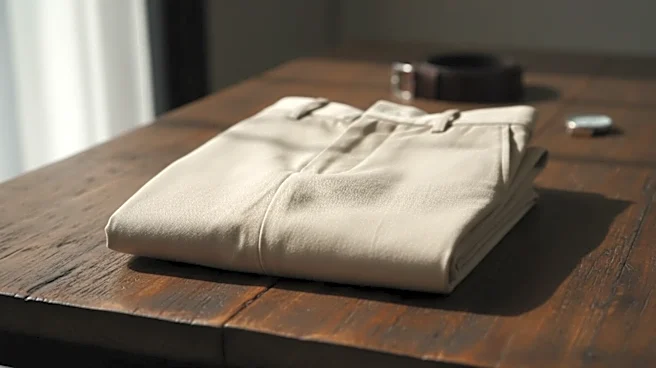
True chinos have a distinct identity rooted in military history. The story begins with British soldiers in mid-19th century India and was later adopted by American troops during the Spanish-American War. Stationed in the Philippines, they wore trousers made from a lightweight but durable cotton twill fabric imported from China. The locals referred to them as “pantalones chinos” (Chinese pants), and the name stuck. This history baked in the key traits of a chino: they are made from a lightweight cotton twill that’s smoother and more refined than denim. They traditionally feature a flat front (no pleats), concealed stitching, and simple, discreet pockets for a clean and uncluttered silhouette. This construction makes them inherently dressier and more polished than their casual cousins.
The Difference Is in the Details
If a chino is defined by its light, smooth fabric and clean construction, a traditional khaki pant is its more rugged counterpart. Khakis are typically made from a heavier-weight cotton twill, making them more durable and better suited for more demanding activities. Their construction often features visible stitching and sometimes a fuller, straighter cut, giving them a more utilitarian and casual appearance. Think of it this way: you might wear khakis for yard work, but you’d choose chinos for a dinner date. Chinos bridge the gap between casual jeans and formal dress pants, offering a level of versatility that heavier khakis can't match.
How to Buy the Perfect Pair
Shopping for chinos means focusing on fit and fabric. Since they don't stretch much, a good fit from the start is crucial. The waist should be snug enough to sit comfortably without a belt, but not so tight that it digs in. Through the hips and thighs, they should lightly skim your body, not pull tightly or billow with excess fabric. The goal is a clean, sleek line. For length, aim for little to no “break”—the fabric should just touch the top of your shoes for a sharp, modern look. Finally, consider the fabric. While 100% cotton is classic, many modern chinos include a small amount of elastane for added comfort and flexibility, which can be a welcome update.
Unlocking Their True Versatility
The final misreading of chinos is seeing them solely as office-casual attire. Their true strength is their chameleon-like ability to adapt. For a classic casual look, pair them with a simple t-shirt or polo and clean sneakers. To elevate them for a smart-casual event or a date night, swap the tee for a button-down Oxford shirt and add a pair of loafers. They can even be dressed up further with an unstructured blazer, acting as a perfect substitute for stuffy dress pants in many professional settings. By understanding that chinos are not just one-note wonders, you unlock a foundational piece of any functional wardrobe, ready for almost any occasion.