



Setting the Table: The Pre-Game Plan
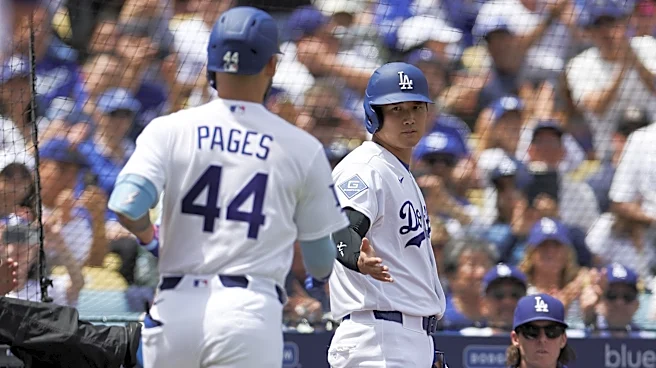
Every baseball fan understands the significance of the starting lineup. It’s the manager’s opening statement, a carefully constructed thesis on how to beat the opponent. It accounts for righty-lefty matchups, who’s hot and who’s not, who needs a rest day, and what the advanced analytics say about the opposing pitcher. It’s a document of intent. A soccer manager’s starting XI and formation are the exact same thing. Choosing a 4-3-3 formation over a 3-5-2 isn’t an arbitrary collection of numbers; it’s a strategic decision. It might signal an intent to control the midfield, exploit speed on the wings, or pack the defense. Just as a baseball manager might start a contact hitter to counter a strikeout pitcher, a soccer manager might select a smaller,
quicker forward to harass a team’s slow, lumbering defenders. Before the first pitch or the opening whistle, the chess match has already begun.
The Mound Visit vs. The Touchline Shout
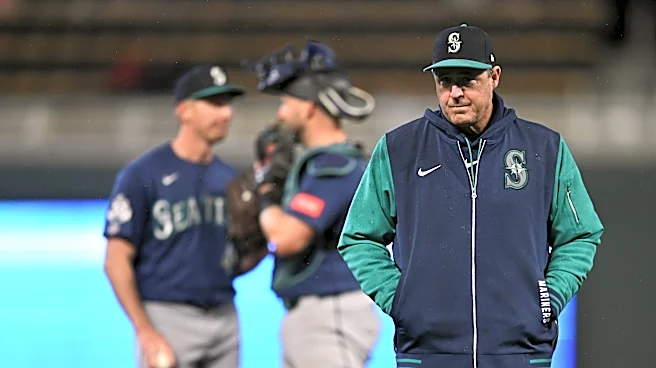
The most visible form of baseball management is the in-game adjustment. The slow walk to the mound isn’t just for show; it’s a critical decision point. Is the starter losing their command? Is it time to go to the bullpen? Does the catcher need to call for a different sequence of pitches? These micro-adjustments can decide a game. Soccer’s version is more fluid but just as crucial. You see it when a manager frantically signals from the touchline, yelling instructions to a winger to track back on defense or telling a midfielder to push higher up the pitch. You see it at halftime, which serves as one massive, game-altering mound visit for the entire team. A team might emerge from the locker room in a completely different formation, with a new tactical plan designed to counter what they saw in the first 45 minutes. A manager who can’t read the flow of the game and make these adjustments on the fly is just as doomed as a baseball manager who leaves his gassed starter in for one batter too many.
Managing the Bullpen vs. The Bench
Perhaps the clearest and most compelling parallel lies in the management of substitutes. A baseball manager’s most stressful job is handling the bullpen. You have a limited number of specialized arms: the long reliever, the lefty specialist, the high-leverage setup man, the closer. Using the right pitcher in the right situation is the art of modern management. Misuse them, and you’ll “blow the save.” In soccer, the bench serves the same purpose, and managers are limited to just a handful of substitutions per match. That bench is a toolbox. Is your team trailing late? You bring on an extra attacker. Holding a slim lead? You substitute in a stout defender to lock things down. Need to change the pace? You bring on a fast winger to run at tired legs. In both sports, the timing is everything. Using your best reliever in the seventh inning to escape a jam might be a game-winning move, even if it’s not a traditional “save situation.” Likewise, making a substitution in the 60th minute, not the 80th, can be the stroke of genius that turns the tide.
The Analytics Revolution
For decades, both sports were run on “gut instinct.” But the analytics revolution that produced sabermetrics in baseball has a powerful counterpart in soccer. The MLB fan who understands defensive shifts, launch angles, and WAR (Wins Above Replacement) will feel right at home in the world of modern soccer tactics. Soccer managers now obsess over data points like Expected Goals (xG), which measures the quality of a scoring chance, and PPDA (Passes Per Defensive Action), which quantifies the intensity of a team’s defensive pressing. This data informs everything from player recruitment to in-game strategy. The new-school manager in both sports is no longer just a motivator; they are the head of a complex analytical operation, using data to find and exploit the tiniest of margins. The spreadsheets are just as important as the scouting reports.