





A Moment of Ecstasy
The tension was palpable inside Boston's Gillette Stadium on June 29. Germany, a perennial powerhouse, found itself locked in a grueling 1-1 battle against a resilient Paraguayan side in the Round of 32 of the 2026 FIFA World Cup. The 90 minutes of regulation
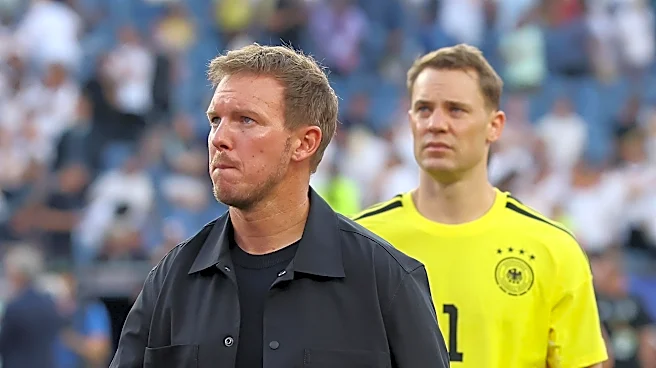
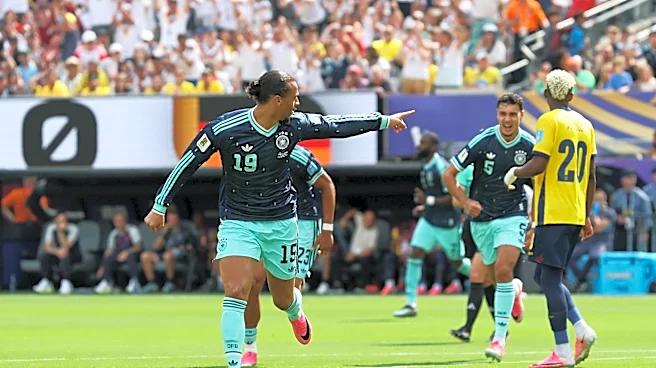
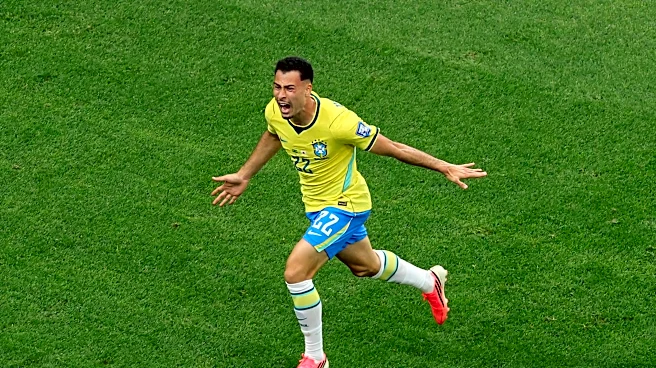
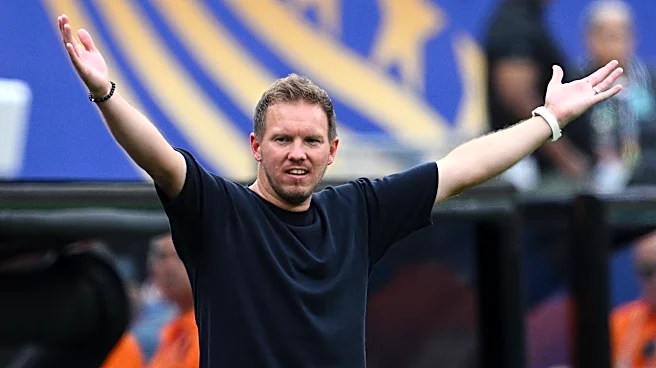
had solved nothing, and the match bled into the draining minutes of extra time. In the 101st minute, Germany won a corner. The ball swung into the box, and defender Jonathan Tah rose highest, meeting it with a powerful header that sent the back of the net bulging. It was 2-1. German players erupted in a wave of exhausted, ecstatic celebration. Coach Julian Nagelsmann celebrated on the sideline. It seemed to be the decisive blow, the goal that would finally break Paraguay’s spirit and send Germany into the next round.
The Agonizing Wait
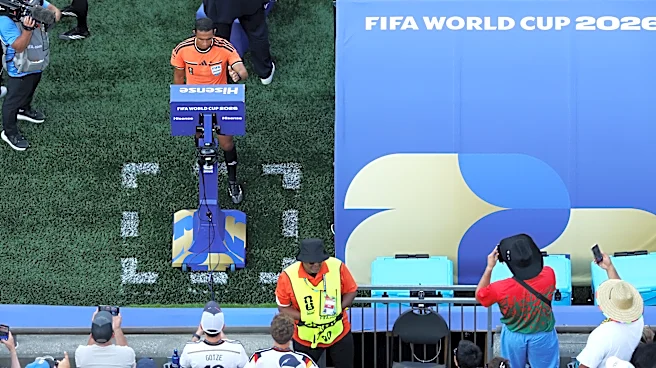
The celebrations were abruptly cut short. Amid the German joy, Moroccan referee Jalal Jayed brought his whistle to his lips but not to restart the game. Instead, he raised a finger to his earpiece, signaling a conversation with the Video Assistant Referee (VAR). The stadium held its breath. On the giant screens, the words “Checking Goal” confirmed every fan’s worst fear: the beautiful, decisive moment was now under forensic review. The players, who moments before were embracing, now stood apart, hands on hips, staring at the referee. The replays began to cycle, focusing not on Tah’s header but on the crowded chaos in front of the Paraguayan goalkeeper, Orlando Gill.
A Foul or a Farce?
After a tense review at the pitch-side monitor, Jayed jogged back onto the field and waved his arms to cancel the goal. The official ruling was a foul committed by German defender Waldemar Anton, who was judged to have illegally impeded the goalkeeper. The German team was incensed, surrounding the official in protest. The replay showed Anton standing his ground as Gill tried to move towards the ball, with contact being made. For many, it was a classic case of a player legally holding their position in a crowded penalty area. Former Denmark and Manchester United goalkeeping legend Peter Schmeichel, working as a pundit, was adamant. “I don’t think it’s a foul,” he said on the broadcast. “The goalkeeper runs straight into him, and I think they got that wrong.” Germany’s all-time World Cup top scorer, Miroslav Klose, called the decision “far too soft,” arguing it undermined the spirit of the game. Yet, the call was not without its defenders. Others, like former Nigerian midfielder John Obi Mikel, argued Anton wasn't playing the ball and his only purpose was to block the keeper, making it a foul by the letter of the law.
An Upset for the Ages
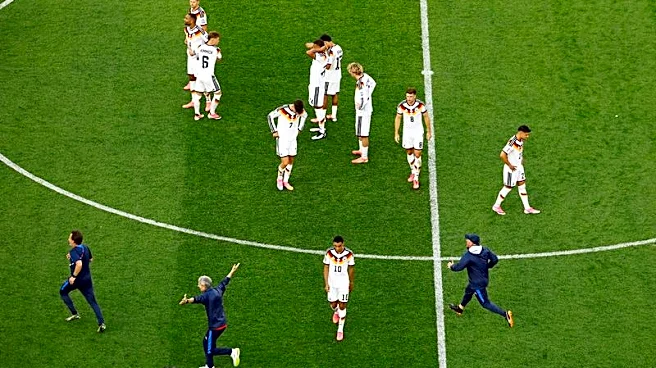
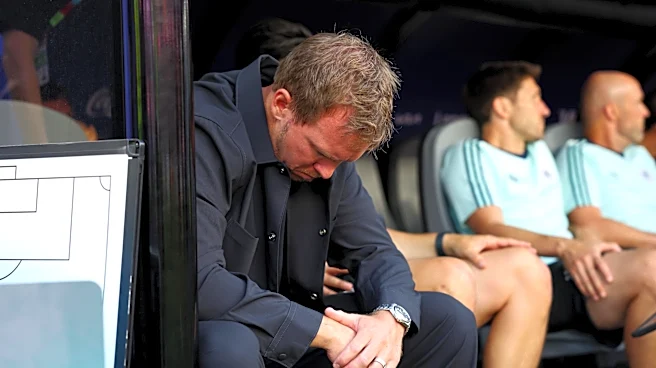
The psychological blow was immense. Germany had gone from the brink of victory back to a knife’s edge, their momentum completely shattered. The air went out of their sails, and they couldn’t find another breakthrough in the remainder of extra time. The match, now drained of its flow and spirit, limped toward the grim lottery of a penalty shootout. And there, the upset was completed. Paraguay, buoyed by their second chance, held their nerve, while Germany, perhaps still reeling from the decision, faltered. The four-time world champions were out of the World Cup in one of the tournament's biggest-ever upsets. The disallowed goal was no longer a footnote; it was the central plot point in the story of their stunning elimination. It became the flashpoint for a fresh round of debate on VAR’s role, with critics arguing it creates as many problems as it solves by searching for tiny infractions that kill the joy of the sport.