



The Millennial Capsule Wardrobe
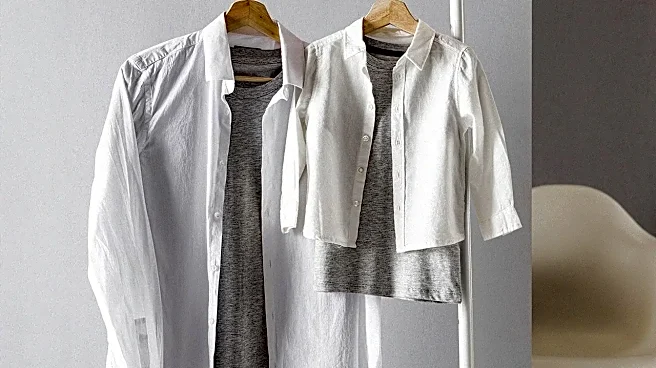
For millennials, who came of age during the 2010s, minimalism was a direct response to the chaos of fast fashion. It was an aesthetic of control and aspiration. This philosophy championed the “capsule wardrobe”: a curated collection of high-quality, versatile
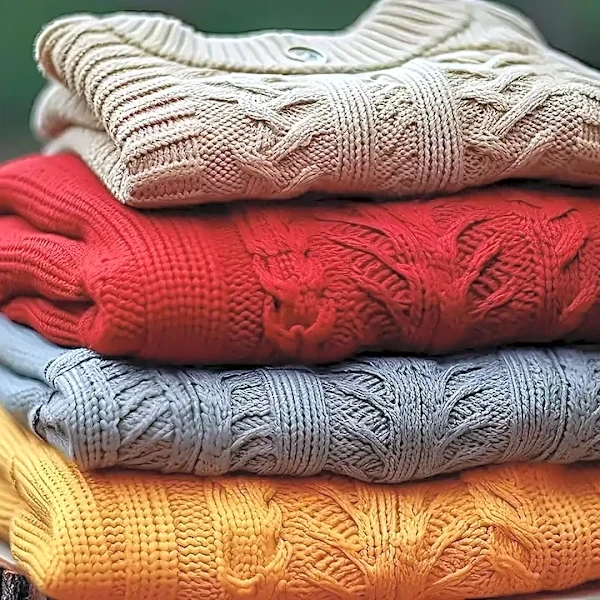
pieces from direct-to-consumer brands that promised timeless style. Think neutral-toned cashmere sweaters, perfectly tailored trousers, and sleek, logo-free sneakers. Being interested in fashion meant investing in durability and functionality, creating a polished, Instagram-ready uniform that signaled quiet sophistication and responsible consumption. This was the era of “quiet luxury,” where value was found in premium materials and classic silhouettes that whispered, rather than shouted, their worth.
Gen Z's Effortless Vibe
Gen Z, in contrast, views minimalism not as a strict set of rules, but as a vibe. Their approach is less about owning the fewest items and more about cultivating an air of effortless cool. Where millennials sought polished perfection, Gen Z embraces a more relaxed, often oversized and gender-fluid silhouette. Their version of a simple outfit might be baggy jeans, a vintage band t-shirt, and chunky sneakers—a look that is stylistically simple but not necessarily born from a tiny wardrobe. This generation’s fashion interest is driven by a desire for authenticity and personal expression, often rejecting the hyper-curated perfection that defined Millennial social media feeds. It's a style that says, "I care, but I'm not trying too hard."
Redefining 'Fashion Interest'
Here lies the fundamental divide. For many millennials, showing an interest in fashion meant building a stable, high-quality wardrobe—an investment in a polished personal brand. It was about knowing materials, understanding cost-per-wear, and achieving a certain timeless look. For Gen Z, fashion interest is more about cultural fluency. It’s about participating in the fast-moving cycle of trends, or “aesthetics,” on platforms like TikTok, from “cottagecore” to “Y2K” revivals. They are more likely to keep up with current trends and consider themselves fashionable. This interest often manifests through a vibrant thrift culture, where uniqueness and sustainability are found in secondhand treasures rather than new, ethically-sourced basics.
A Different Take on Sustainability
Both generations express a concern for sustainability, but they act on it differently. The millennial minimalist ideal was to buy fewer, better things that would last for years, reducing overall consumption. While some in Gen Z also embrace the “less is better” philosophy, their approach is often more circular. They are more likely to believe that people who buy fast fashion don't care about the environment and see more value in giving existing clothes a second life. Thrifting allows for experimentation with fleeting micro-trends without the guilt of buying new, and it prioritizes individuality over the uniform-like feel of mainstream minimalist brands.