




Heartland Rock and the Working-Class Hero
Long before Americana was a recognized genre, its DNA was being forged in the fiery sound of heartland rock. Artists like Bob Seger from Michigan and John Mellencamp from Indiana became the poets of the blue-collar experience, writing anthemic choruses
about life on the assembly line and the anxieties of small-town existence. Their music wasn't just entertainment; it was a social statement, giving voice to the pride and frustrations of the workers who built the country. The straightforward rock style, combined with raspy, authentic vocals, created a sound that felt earned and honest. These story-songs, focusing on people facing hard times, set a template for a generation of songwriters who believed music should reflect the reality of everyday American life.
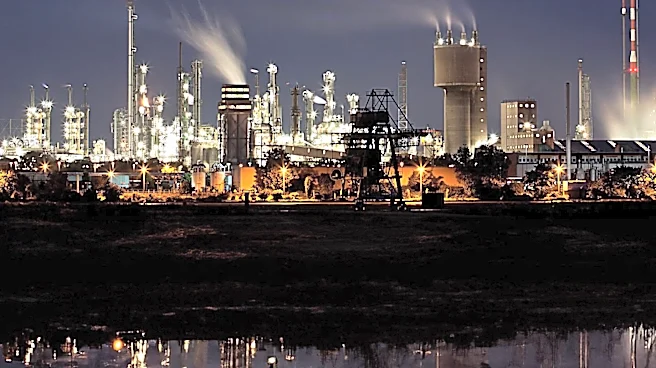
The Ghost of the Factory Town
No artist better personifies the Midwestern working-class songbook than John Prine. Though his family roots were in Kentucky, he was born and raised in Maywood, Illinois, and worked as a mailman in the Chicago suburbs. That experience gave him a front-row seat to the quiet lives, faded dreams, and enduring dignity of the region's people. His songs are populated by forgotten seniors in "Hello in There" and wounded veterans like "Sam Stone," characters drawn with profound empathy. Prine's genius was his ability to capture immense social commentary in small, personal details, a style Bob Dylan once described as "Midwestern mindtrips to the nth degree." His work documents the great migration of families from the South to the factory towns of the North, and the subsequent hollowing out of those same industrial communities, a core theme of the Rust Belt narrative.
From Prairie Dust to Bar-Band Grit
While factory life defined the Rust Belt, the vast agricultural landscape also shaped the region’s musical identity. This strain of Midwest Americana blends folk and country with an indie-rock sensibility, chronicling life on the prairies with a bittersweet tone. Bands like Uncle Tupelo, emerging from Belleville, Illinois, famously merged punk’s energy with country’s soul, creating what would become alt-country. Their successors, Wilco and Son Volt, continued this exploration. Wilco evolved toward artful indie rock, while Son Volt maintained the steel-guitar, bar-band grit that speaks of long highways and dwindling small towns. This sound is less about overt struggle and more about a persistent, melancholic resilience found in the wide-open spaces and lake-effect winters of the heartland.
The New Americana and the Midwest Ethos
Today, a new generation of artists carries the torch, proving that the "Midwest" in the Americana songbook is as much a state of mind as a geographical location. While Jason Isbell hails from Alabama, his songs about economic displacement, the clash of generational values, and the search for dignity resonate deeply with Rust Belt themes. Tracks like "Last of My Kind" capture the feeling of being left behind by a changing world, a sentiment universal to struggling communities everywhere. Meanwhile, artists like Nathaniel Rateliff, who moved from rural Missouri to Denver, bring a soulful, raucous energy to tales of failure and redemption that feel right at home in any Midwestern bar. His work, like that of many contemporary Americana artists, shows that the themes of hard work, resilience, and finding grace in difficulty—first codified in the heartland—are now an essential part of the national songbook.