






1. The Ghost Stadium Problem
This is the most visible, and frankly, saddest part of the post-World Cup hangover. Host nations, under pressure from FIFA, spend billions on state-of-the-art stadiums, many in cities without a major club to use them afterward. The poster child for this is Brazil 2014. The stunning Arena da Amazônia in Manaus, a city deep in the rainforest, cost around $300 million to build. After hosting four World Cup matches, it struggled to find a purpose, with its maintenance costs far exceeding its revenue. Similar stories emerged from South Africa 2010 and even Qatar 2022, which ingeniously (or absurdly, depending on your view) designed a stadium from shipping containers meant to be disassembled. These gleaming, empty structures become monuments not to sporting
glory, but to questionable planning and immense financial waste.
2. Fuzzy Math and Broken Promises
Before every tournament, organizers and FIFA release rosy projections about economic windfalls. They promise a massive influx of tourists, job creation, and a long-term boost to GDP. The reality is far murkier. The jobs created are often temporary construction gigs. The tourism bump, while real during the tournament, can be offset by regular tourists staying away to avoid the crowds and inflated prices. Most independent economists argue that the massive public investment required to host—often billions spent on infrastructure that serves the event first and citizens second—is almost never recouped. The cost of security alone is astronomical. Because the official numbers are so easily manipulated and the true opportunity cost is so hard to calculate, boosters and critics can use the same data to argue completely different points for years to come.
3. The 'Soft Power' Mirage
A key justification for hosting is “soft power”—using the global spotlight to improve a nation's brand, showcase its culture, and project an image of modernity and competence. It worked for West Germany in 1974, signaling its return to the global community. But lately, it’s been a riskier bet. Instead of a month-long commercial, the World Cup often becomes a month-long audit. The intense media scrutiny leading up to the tournaments in Brazil (protests over spending), Russia (geopolitics and security), and Qatar (human rights and labor conditions) arguably did more harm than good to their international reputations. Did the world come away thinking Qatar was an open and progressive society? Or did the focus remain on the controversies? The benefits are intangible and fleeting, while the reputational damage can be lasting.
4. Who The Legacy Is Actually For
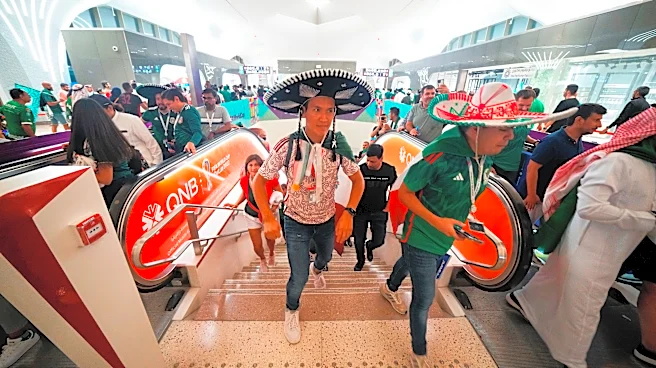
Legacy isn't a monolith; it’s experienced differently by different people. A new subway line in a major host city is a fantastic legacy for the residents who use it every day. But what about the citizens in other parts of the country whose tax dollars helped pay for it, with no tangible benefit to their own communities? This creates a tension between the urban centers that get the upgrades and the rest of the nation that foots a large part of the bill. In South Africa, the gleaming new stadiums and transport hubs were hailed as a success, but many critics pointed out that this investment did little to address the deep-seated inequality in the country's townships. The debate continues because the answer to “Was it worth it?” depends entirely on who you ask.
5. 'Success' Is an Impossible Standard
Ultimately, the debate never ends because there is no universally agreed-upon definition of a “successful” legacy. Is it purely economic? Is it about inspiring a new generation of soccer players, like the U.S. hoped for after 1994? Is it about national pride and unity? Is it about the quality of the infrastructure left behind? It’s all of these and none of them. Proponents will point to a flawless tournament and the intangible feeling of national pride. Detractors will point to the final price tag and the communities left behind. Both are right. The World Cup is a commercial juggernaut, a political football, a sporting spectacle, and a month-long national festival all at once. Untangling those threads to produce a single, simple verdict on its legacy is an impossible task.