





From Fan Fair to Festival
To understand CMA Fest's magic, you have to look at its roots. It began in 1972 as “Fan Fair,” a humble event designed to bridge the gap between stars and their devoted followers. Instead of putting artists on a distant stage, it put them at signing booths,
creating personal moments of connection. That DNA—the direct fan-to-artist link—is still the festival’s core principle. While it has exploded into a massive commercial enterprise with stadium-sized shows, the foundational idea remains: this is the genre’s annual family reunion. The artists even play for free, with proceeds from the festival donated to music education initiatives through the CMA Foundation. This charitable, fan-first ethos is the bedrock that allows the festival to be more than just a series of concerts; it’s a celebration of the community that powers country music.
Honoring the Icons
Country music is a genre built on reverence for its history, and CMA Fest is its grand cathedral. The festival masterfully weaves its legends into the fabric of the weekend. This isn’t about trotting out nostalgia acts for a token round of applause; it's about integrating the past into the present. You might see a legend like Wynonna Judd join a current star like Carly Pearce for a show-stopping duet on the main stage at Nissan Stadium. Or perhaps an icon like Randy Travis makes a powerful, emotional appearance, reminding everyone of the genre's enduring legacy. These moments aren't accidents; they are carefully curated to give fans a tangible connection to the music’s timeline. By placing its pioneers alongside today’s hitmakers, CMA Fest reinforces the idea that country music is a continuous story, not a collection of disconnected eras.
The Stadium-Sized Present
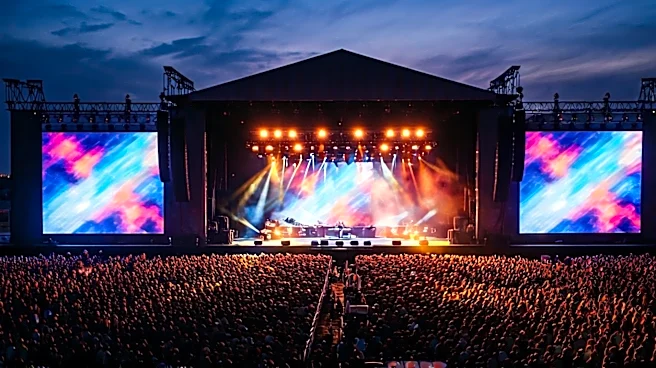
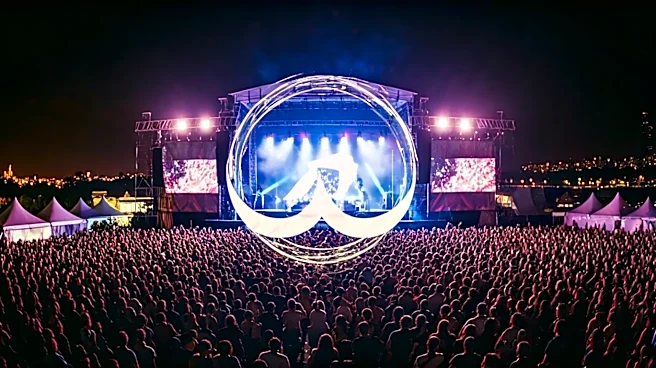
The undeniable gravitational center of CMA Fest is Nissan Stadium. This is where the genre’s present tense is written in bright lights and booming sound. Each night, a murderer's row of country’s biggest contemporary stars—the Luke Combs, Lainey Wilsons, and Morgan Wallens of the world—take the stage to perform their chart-topping hits for a crowd of over 50,000. These are the artists who dominate country radio, fill arenas on their own tours, and define what the genre sounds like *right now*. For the festival, these stadium shows are the main draw, the engine that powers the entire event. They provide the blockbuster moments and the collective singalongs that reverberate through social media, selling the festival as the ultimate destination for fans of modern country.
A Proving Ground for the Future
If Nissan Stadium is the grand stage, the free stages scattered across downtown Nashville are the genre’s bustling laboratory. This is where the “Next Wave” comes to make its mark. On stages sponsored by various brands, hundreds of up-and-coming artists perform short, high-energy sets for crowds of curious fans, industry executives, and talent scouts. For these musicians, a slot at CMA Fest is a critical opportunity. It’s a chance to win over new listeners, land a record deal, or create the buzz that could propel them to a bigger stage next year. For fans, it's a treasure hunt. They can wander from stage to stage, discovering their next favorite artist before they hit the big time. This multi-stage ecosystem ensures a constant injection of new energy and new sounds, keeping the festival—and the genre itself—from ever getting stale.
The Fan-Centric Glue
Ultimately, the thing that holds the past, present, and future together in one frame is the fan. CMA Fest is architected around the experience of discovery and appreciation. A fan can start their day watching a future star on a free stage, spend the afternoon waiting in line to meet a mid-level favorite at Fan Fair X, and end the night singing along with a global superstar at the stadium. Surprise collaborations, where an old-timer joins a newcomer, are common. The entire city becomes a walkable, interactive timeline of country music. This structure allows a teenager who came for Jelly Roll to stumble upon the timeless songwriting of a classic artist, and a traditionalist to discover a new voice they can’t ignore. It’s this deliberate, multi-layered programming that makes CMA Fest more than just a festival—it’s the genre's most effective guardian and promoter, all at once.