




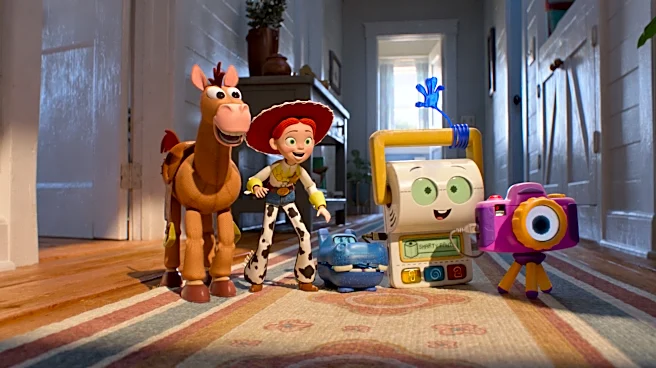


The Unbroken Winning Streak
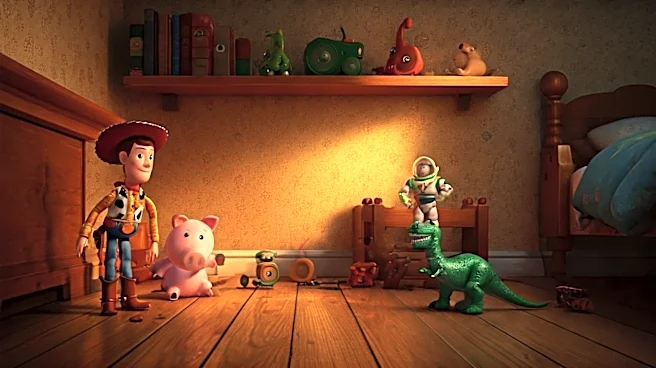
Across four movies, the central conflict of every Toy Story film follows a familiar, comforting rhythm. A toy gets lost, a mission is launched, and after a series of harrowing adventures, the group succeeds. In the first film, Woody and Buzz make it back
to Andy before the move. In the second, the gang rescues Woody from Al’s Toy Barn. In the third, they escape Sunnyside Daycare and find a loving new home with Bonnie. Even in the fourth, which ends with the bittersweet departure of Woody, the primary objective is met: Forky is saved and delivered to Bonnie, ensuring her comfort. The toys always win the 'argument.' They set a goal, and through teamwork, courage, and a little bit of luck, they achieve it. This formula is the bedrock of the series, reinforcing the central themes of loyalty and perseverance. But after four decades, that bedrock is starting to feel like a narrative cage.
The Emotional Price of Victory
While the toys always achieve their mission, the victories have become increasingly costly. The simple joy of returning to Andy’s room in the first film evolved into the gut-wrenching furnace scene in the third, where their 'win' was simply surviving to be passed on. The price of that victory was saying goodbye to Andy, the center of their universe for years. Then, Toy Story 4 upped the ante. Woody’s 'win'—saving Forky—cost him his entire family. He chose a new life with Bo Peep, but it was a choice forced by the realization that his old purpose was gone. The franchise has expertly explored the idea that winning isn't always happy. It can be painful, transformative, and tinged with loss. But it has never explored what happens when the toys fail outright. They’ve paid the price for success, but they have never had to live with the consequences of a fundamental failure.
The Case for Losing the Opening Act
This is where Toy Story 5 has a golden opportunity to subvert its own legacy. Imagine the film opens with a classic Toy Story mission. Perhaps Bonnie loses a different toy on a road trip, and the gang, now led by Buzz, mounts a daring rescue. They have a plan. They know the rules of the human world. They are confident. And then, for the first time ever, they fail. The toy isn't rescued. They are outsmarted, or beaten by circumstance, or simply too late. They lose the first argument. This single narrative choice would shatter the franchise’s formula and inject it with a level of unpredictability it hasn’t had since the original. The rest of the film would not be about achieving a goal, but about processing a failure. How does a team built on success handle a definitive loss? How does Buzz, now in the leader role, cope with not being able to bring everyone home? The stakes would become internal and far more mature.
What True Failure Could Look Like
Losing doesn't have to mean a grim or depressing movie. Instead, it creates a powerful engine for character development. A failure in the first act forces the toys to question everything they thought they knew. Maybe their purpose is no longer just about staying together or serving one child. Maybe it’s about accepting that some things are broken beyond repair. This could lead them to a new understanding of their existence, one that isn’t defined by a child’s ownership but by their own community and choices. It would force Jessie, Buzz, Slinky, and the others to redefine their relationships in the wake of a shared trauma. This kind of story honors the franchise’s core theme—change—more honestly than another successful rescue mission ever could. For a series about toys confronting obsolescence, mortality, and the pain of being left behind, forcing them to confront their own fallibility is the last, most meaningful frontier.