



The Anatomy of a Perfect Reveal
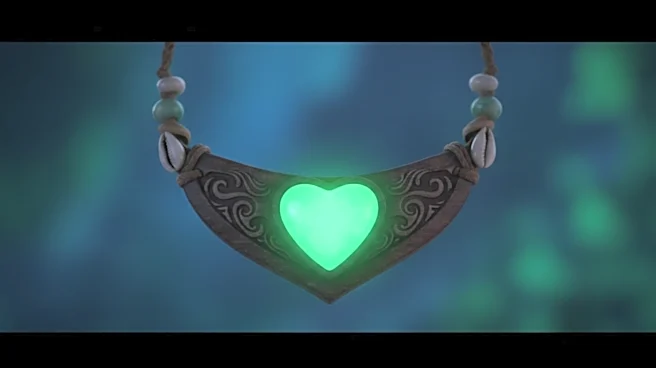
The magic of the Te Fiti reveal lies in its perfect fusion of narrative, music, and visuals. For the entire film, Te Kā is presented as the ultimate obstacle, a mindless monster of rage and destruction. The narrative twist, where Moana realizes the villain
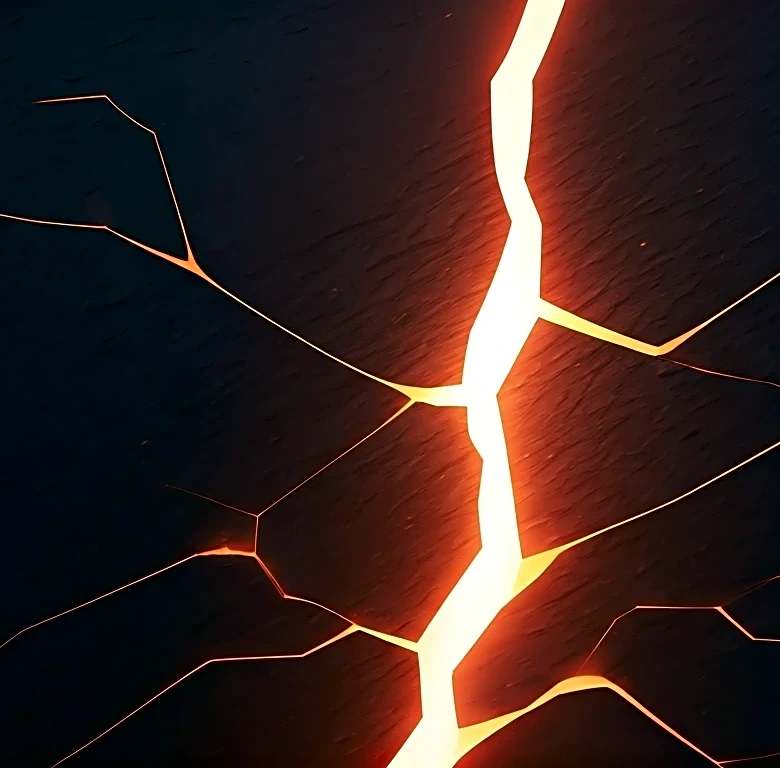
isn't an enemy to be defeated but a victim to be healed, is a profound act of empathy. This emotional insight is the foundation upon which the awe is built. Moana doesn't fight; she understands. She commands the ocean to part and walks calmly toward the rampaging demon. The musical score, a collaboration between Mark Mancina, Lin-Manuel Miranda, and Opetaia Foa'i, is the scene's beating heart. As Moana approaches, she sings "Know Who You Are," a gentle lullaby of identity and affirmation set against the terrifying spectacle. The lyrics, "They have stolen the heart from inside you / But this does not define you," are a direct address, turning a monster back into a person. The music isn't for the audience; it's for Te Kā. This choice transforms the sequence from a simple plot point into a moment of profound emotional catharsis. Visually, the transformation is stunning. The cracking, cooling lava gives way to lush greenery, rage is replaced by peace, and a roaring monster softens into the face of a sleeping goddess. It’s a masterclass in earning its spectacle.
The Challenge of Manufactured Wonder
The success of the Te Fiti scene highlights a central problem in modern animation: creating genuine awe is incredibly difficult. In a medium where anything is possible, spectacle can feel cheap. Animators have the power to create universes, conjure skyscraper-sized monsters, and stage impossible battles, but that very limitlessness can work against them. Audiences are keenly aware that what they're seeing is constructed, frame by painstaking frame. This can lead to a kind of CGI fatigue, where even the most visually dazzling sequences fail to register on an emotional level because they feel unearned or disconnected from the characters' journey. The challenge is to overcome what could be called the "uncanny valley of wonder." Just as near-perfect human replicas can feel unsettling, spectacle that isn't anchored in relatable human emotion can feel hollow. Creating awe isn't just about scale; it's about making the audience feel part of something vast and meaningful. Psychologists define awe as an experience that challenges our existing mental frameworks, making us feel smaller in a way that is ultimately connecting and positive. For animation, the trick is to build that feeling from scratch, without the benefit of a real-world Grand Canyon or a star-filled sky to do the heavy lifting.
The Blueprint for Awe
So what is the solution? Moana provides a blueprint. The Te Fiti reveal works not because of the size of the characters or the complexity of the effects, but because the spectacle is entirely in service of an emotional truth. The awe we feel is a reflection of Moana's own empathy and wisdom. The grand visual transformation is simply the external manifestation of an internal, character-driven breakthrough. This is the key: earned awe is an emotional payoff, not just a visual one. Other great animated films follow a similar principle. In Spider-Man: Into the Spider-Verse, Miles Morales’s “What’s Up Danger” leap is breathtaking not because of the animation—though it is spectacular—but because it’s the moment he fully becomes himself. In Studio Ghibli’s My Neighbor Totoro, the awe of the camphor tree scene comes from the quiet, gentle wonder of a child meeting a friendly spirit of the forest. In both cases, the spectacle serves the story, not the other way around. The power lies in connecting a character’s emotional journey to a visual experience that transcends the everyday. Animation achieves true awe when it stops trying to simply show us something incredible and instead makes us feel something profound.