



It All Begins with the Canvas
The most common misconception about makeup is that it’s meant to cover up your skin. In reality, the best applications work with your skin, and that process starts long before you pick up a foundation brush. Proper skin preparation is the single most important
factor for a seamless, lasting look. When makeup looks cakey, settles into lines, or slides off by midday, the culprit is almost always the skin underneath. Think of it this way: you can't paint a masterpiece on a dusty, uneven canvas. Your skin is no different. The routine is simple: cleanse, gently exfoliate, and hydrate. A clean face removes oils and impurities that can disrupt application. Exfoliating sloughs away dead cells that cause texture and patchiness. Finally, a good moisturizer creates a plump, smooth surface, ensuring your makeup glides on instead of clinging to dry spots. This prep work ensures the skin is calm, balanced, and ready, which helps makeup look more natural and wear longer.
Foundation Should Be Your Second Skin
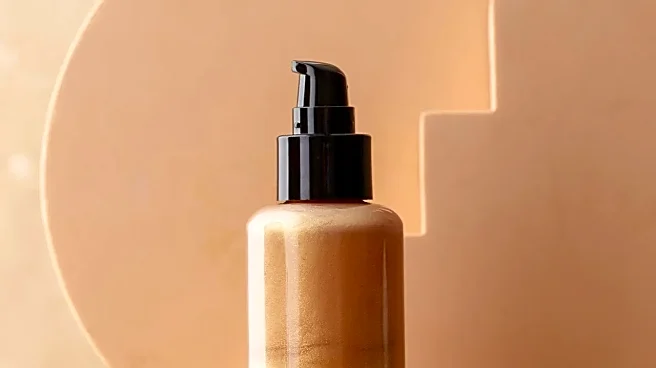
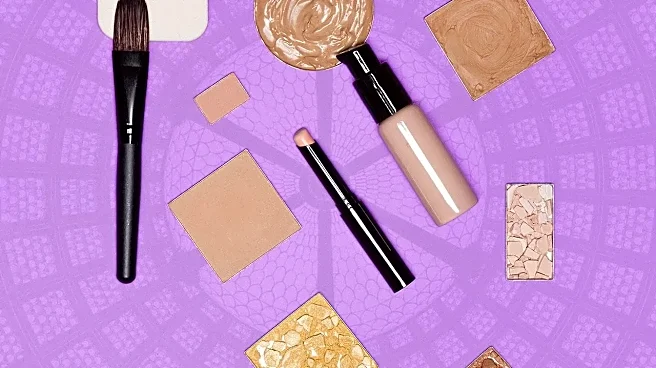
The goal of foundation isn't to create a mask; it's to create the illusion of a naturally even and perfected complexion. The first rule is an accurate color match, not just to your face but also to your neck and chest, ensuring a seamless transition. When you apply it, less is almost always more. Start with a small amount in the center of your face and blend outwards. Whether you use a brush, a sponge, or your fingers, the key is to press and stipple the product into the skin, not just smear it across the surface. This technique melts the product in, giving it a skin-like texture. If you have areas that need more help, like blemishes or dark circles, address them with a targeted concealer after your foundation is blended. This approach prevents you from applying a thick, heavy layer all over just to cover a few small spots.
The Art of the Seamless Blend
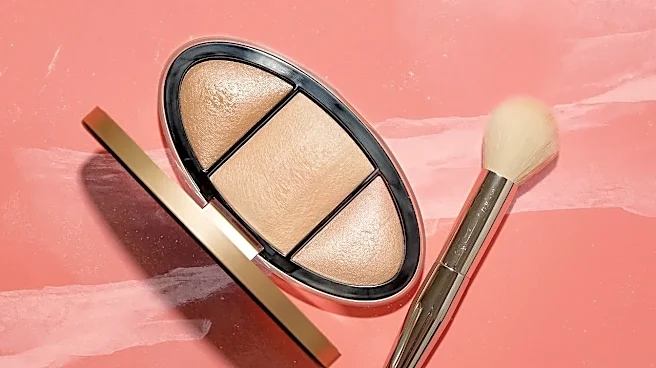
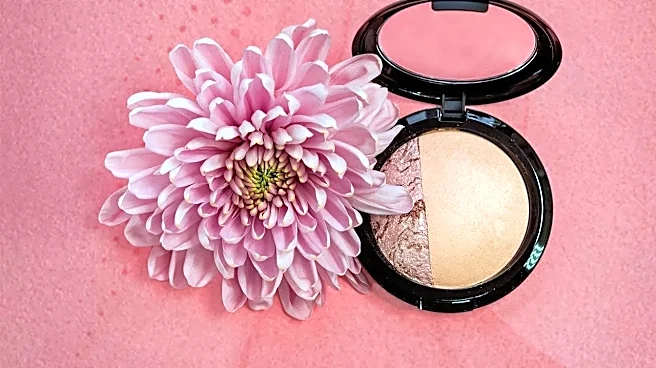
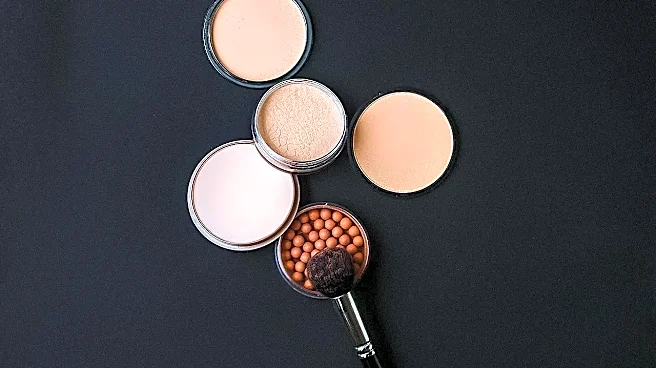
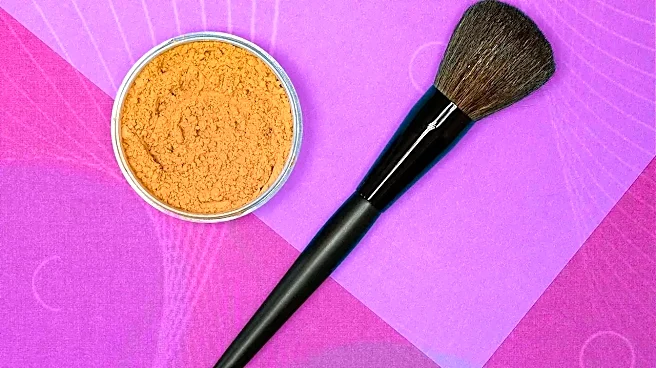
Nothing screams 'makeup' like a harsh, unblended stripe of blush or bronzer. When done right, these products should look like a natural flush or a gentle, sun-kissed warmth that emanates from within the skin. The secret is placement and blending. For blush, smile gently and apply it to the apples of your cheeks, blending upwards and outwards towards your temples. For bronzer, think about where the sun would naturally hit your face: the high points of your forehead, the bridge of your nose, your cheekbones, and your jawline. The trick is to use a light hand and build the color gradually. After applying, take a clean, fluffy brush and use it to diffuse the edges of every powder or cream product. This final buffing step erases any hard lines and marries all the products together, creating a soft-focus, cohesive look.
Eyes That Pop, Not Overpower
Eye makeup can be the most creative part of a routine, but the best applications enhance your eye shape rather than fight against it. For an everyday look, the principle is definition. A soft, neutral eyeshadow blended into the crease can add depth and dimension without looking heavy. Eyeliner should define the lash line, making your lashes appear fuller. A thin line, pushed right into the base of the lashes, is often more effective than a thick, heavy wing. And when it comes to mascara, focus the application at the root of the lashes and wiggle the wand upwards. This technique builds volume and lift at the base, which opens up the eye, rather than just coating the tips, which can weigh them down. The finished look is defined, awake, and balanced.
Finishing Touches That Last
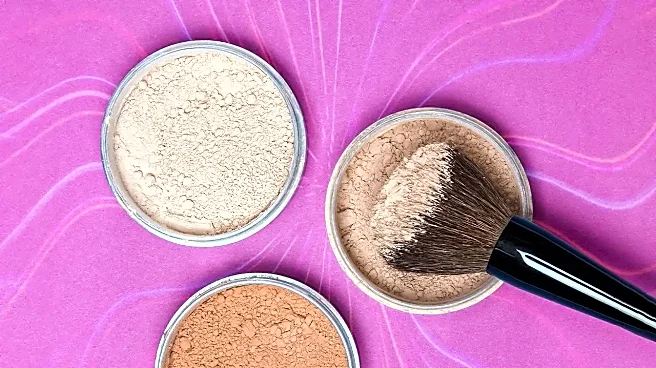
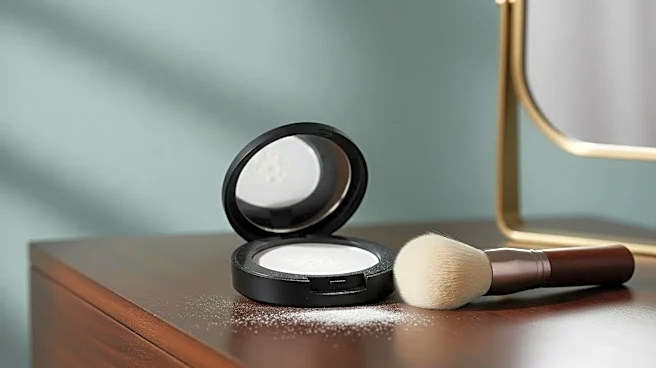
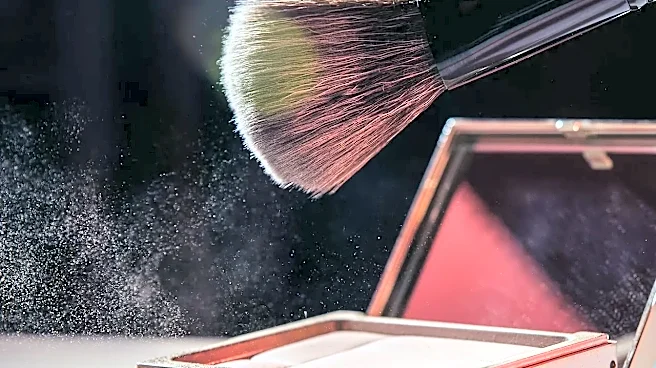
The final elements are what pull the entire look together and give it staying power. For lips, 'done right' can mean anything from a clear balm to a bold red lipstick, but the principle is clean application. A well-defined lip line—whether created with a pencil or the sharp edge of a lipstick bullet—is key to a polished finish. Finally, a light dusting of translucent setting powder or a few spritzes of a setting spray can lock everything in place. The goal isn't to create a dry, matte finish, but to gently set the makeup, reduce unwanted shine in key areas like the T-zone, and ensure your hard work lasts throughout the day without needing constant touch-ups. It's the final, invisible step that makes all the difference.