






The Summer Blockbuster Gauntlet
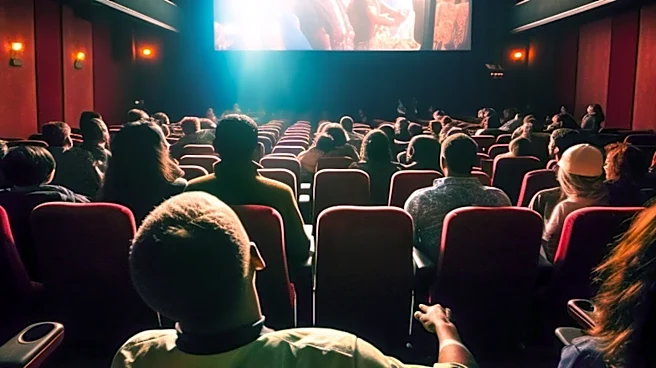
July is not for the faint of heart. The summer movie calendar is a meticulously planned assault by major studios, with tentpole franchises and nine-figure marketing budgets sucking up all the cultural oxygen. Theaters dedicate their largest screens to
these behemoths, and their promotional blitz leaves little room for anything else to break through the noise. A limited release—a film opening in a handful of theaters in cities like New York and Los Angeles—faces a daunting task. It’s a whisper trying to be heard over a constant explosion. The goal is to use a small theatrical footprint to build word-of-mouth buzz, hoping strong reviews and audience reactions will justify a wider rollout. In the peak of summer, however, that buzz has to be powerful enough to compete with superheroes and animated sequels.
The Algorithm's Blind Spot
In theory, streaming platforms should be the great democratizers. With endless digital shelf space, surely an algorithm can connect a niche film with its perfect audience. But this rarely happens for new, untested movies. Recommendation engines are fundamentally reactive; they analyze your past viewing habits to predict your future ones. They excel at suggesting something similar to what you already like, creating a feedback loop. If a film doesn't fit neatly into your data profile, or if it has no viewing history to analyze, it can get buried in a library of thousands of titles. As director Martin Scorsese has pointed out, this system omits human curation and oversimplifies films into broad categories, making true discovery difficult. For a new limited release, an algorithm is a follower, not a leader. It can't manufacture the initial spark of interest a film needs to survive.
The Critic as a Human Megaphone
This is where the film critic becomes essential. A glowing review from a trusted critic, or a chorus of them, functions as a powerful signal that cuts through the marketing static. It tells the audience that a particular film is not just another piece of content, but a cultural event worth seeking out. Critics can articulate why a film is special, contextualizing its themes, performances, and artistic ambitions in a way a percentage score cannot. For independent cinema, which often takes creative risks major studios avoid, this context is everything. Studios like A24 built their brand by championing original stories and leveraging critical praise to make their films feel like unmissable, insider events. A rave from a critic can be the pivotal moment that convinces a theater to hold a film for another week or a viewer to choose an unknown drama over a familiar blockbuster.
From Buzz to Business
The impact of critical support is not just cultural; it's economic. Positive reviews have been shown to correlate with box office revenue, particularly for films that don't have a built-in audience. That initial critical buzz generates articles, social media chatter, and the all-important word-of-mouth that can turn a tiny release into a breakout hit. It creates a sense of urgency and exclusivity, driving audiences to theaters to be part of the conversation. Without this initial push, many independent films would simply vanish. They would fail to earn a wider theatrical release and get lost in the streaming void, their potential never realized. For a filmmaker who has spent years on a passion project, a critic’s championing of their work isn't just a review—it's a lifeline, offering the visibility needed to build a sustainable career.