



The Anatomy of the Error
In soccer, every position has its pressures, but none carries the same finality as the goalkeeper. They are the last line of defense, the lone figure standing between success and failure. An outfield player’s error might lead to a chance for the opposition;
a goalkeeper’s error almost invariably leads to a goal. There is no one behind them to clean up the mess. The mistake isn't just a play, it's the play that ends up on the scoreboard. This creates a unique narrative weight. The most infamous example is Loris Karius in the 2018 Champions League final. His two monumental errors effectively handed the trophy to Real Madrid. His name became synonymous with championship-losing mistakes, a burden no striker or defender could ever truly comprehend. As Karius himself said, "That's the life of a goalkeeper. You have to get your head up again."
The Psychology of Solitude
Dressed in a different color, confined mostly to a box, the goalkeeper is an island. This isolation is both physical and mental. While their teammates are in constant motion, a keeper can spend long stretches of a match with nothing to do but think. If they’ve just made a mistake, that solitude becomes a mental prison. The ability to recover from an error is arguably the most critical psychological skill for a keeper. They must possess a particular kind of courage and mental fortitude to face the next shot without being haunted by the last one. This mental game—the battle against self-doubt while the entire stadium watches—is a drama in itself. At the recent 2026 World Cup, U.S. keeper Matt Freese made a costly error outside his box against Belgium, a split-second decision that contributed to his team's elimination and perfectly illustrates this cruel reality.
From Villain to Victor
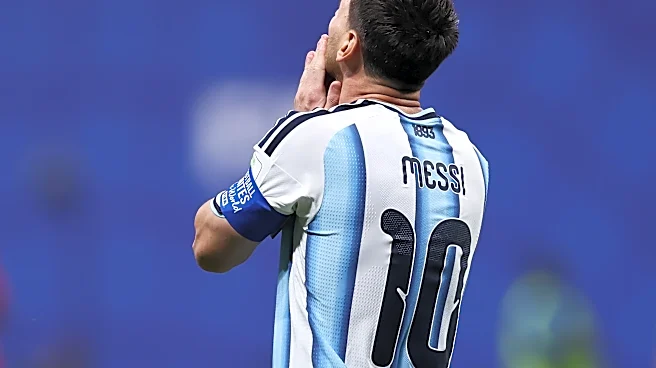
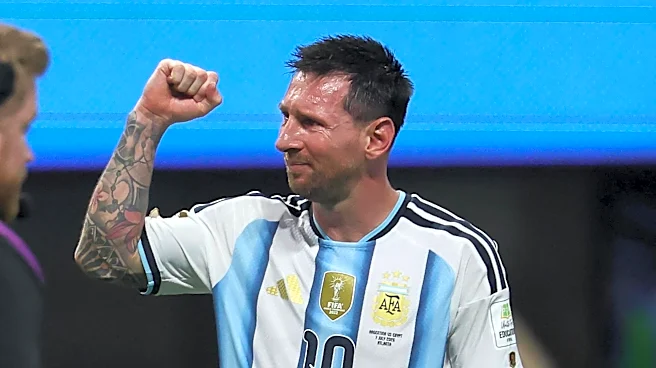
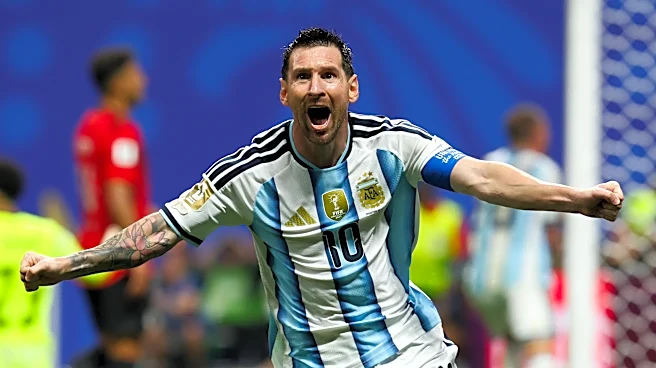
Because the fall is so great, the climb back is all the more heroic. A redemption arc for a goalkeeper feels earned in a way few others can match. It’s a story of resilience played out on the biggest stage. Look at David de Gea, who endured a brutal start to his Manchester United career, facing calls to be sold before transforming into one of the world's elite shot-stoppers for nearly a decade. Heroism can also be found in a single performance. At the 2026 World Cup, 40-year-old Vozinha became a global sensation overnight, single-handedly earning tiny Cape Verde a historic 0-0 draw against powerhouse Spain. He went from an unknown playing in Portugal's second division to the face of the tournament's greatest underdog story, a perfect example of a keeper seizing their moment. Even in defeat, there can be glory; Egypt's Mostafa Shobeir brilliantly saved a penalty from Lionel Messi, a moment of personal triumph in his team's eventual loss to Argentina.
The Ultimate Redemption Stage
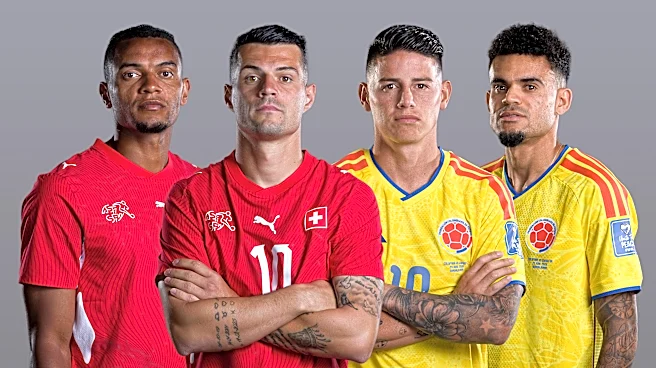
Nowhere is the potential for redemption more concentrated than the penalty shootout. After 120 minutes of play, the fate of a nation rests on the keeper’s shoulders. The narrative flips entirely. For the whole game, they are reactive, trying to prevent a goal. In a shootout, they become proactive protagonists. A save is a heroic act, not just a defensive duty. Each stop feels like a mini-victory, shifting the immense pressure onto the penalty taker. It’s the ultimate one-on-one duel where a keeper can erase a season of doubt or a single costly error with a few moments of brilliance. In the 2026 World Cup's Round of 16, Swiss goalkeeper Gregor Kobel became the national hero, making a crucial save in the shootout against Colombia to send his team to the quarterfinals for the first time since 1954. In that moment, he wasn't just a player; he was the difference-maker.