




The Cult of Maximum Effort
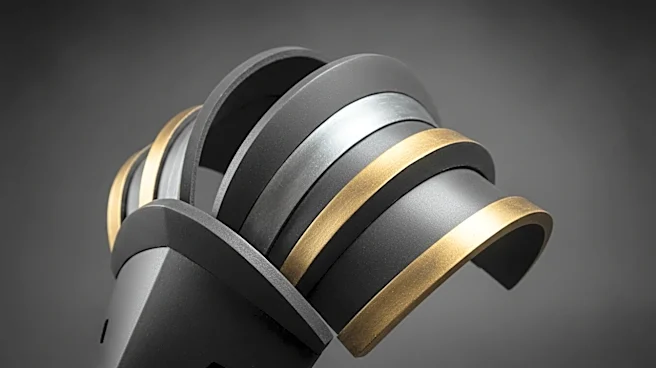
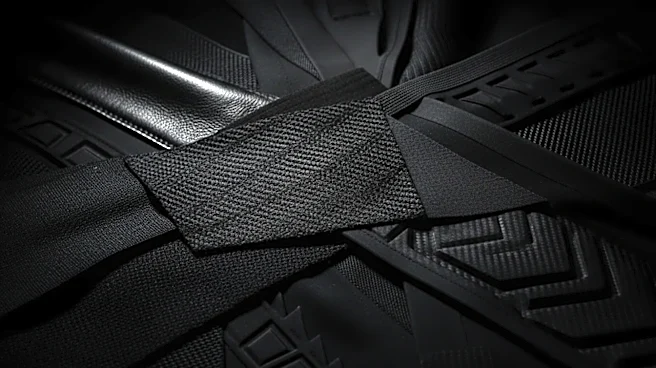
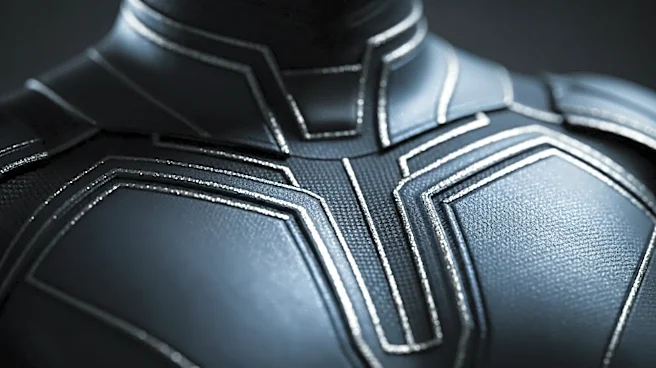
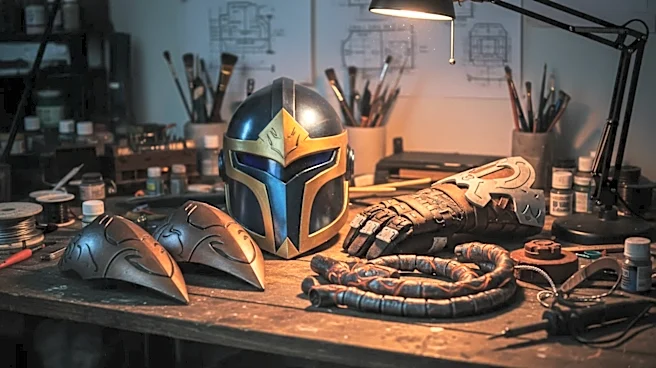
Let’s be clear: there is a deep, admirable artistry in hyper-detailed cosplay. The dedication it takes to replicate every single buckle, stitch, and micro-servo from a character’s design is immense. These cosplays are often the result of hundreds of hours
of labor, involving techniques from 3D printing and resin casting to intricate embroidery. This approach is born from a love of the source material and a desire for screen accuracy. Fans and judges at competitions often reward this painstaking effort, celebrating the technical skill required to bring a high-resolution digital model into the real world. This is cosplay as an act of faithful replication, a testament to a builder’s patience and craft. But is it always the most effective way to capture a character?
The Unmistakable Power of Silhouette
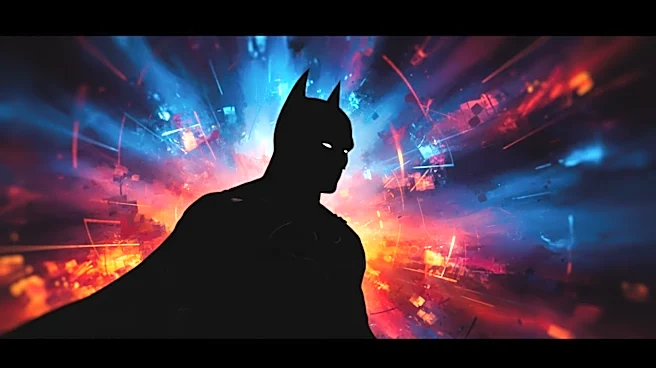
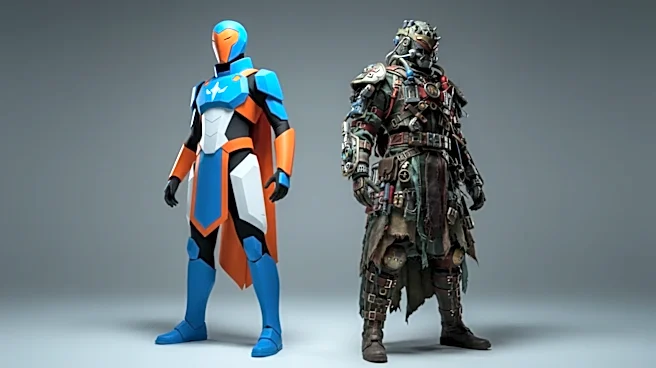
Now, think of the most iconic characters in pop culture. You can recognize them from their shadow alone. A long cloak and pointed ears. A round shield and a star. A blocky, pixelated plumber. This is the power of silhouette, and it’s a costume designer’s secret weapon. Silhouette communicates character, period, and personality instantly, before the viewer can even process the details. A minimalist approach to cosplay weaponizes this principle. By focusing on getting the overall shape, or silhouette, of a character perfect, a cosplayer can create an immediate, powerful impression that’s readable from across a crowded hall. It’s about capturing the forest, not every individual leaf.
When Excessive Detail Becomes Noise
The very thing that makes detailed cosplay impressive up close can sometimes be its downfall from a distance. When a costume is overloaded with dozens of complex, layered components, the overall effect can become visually cluttered. Instead of seeing the character, the audience sees a collection of well-made parts. The core design can get lost in the noise. This isn't to say detail is bad, but there’s a tipping point. When accessories overwhelm the costume rather than complementing it, they can detract from the character's core identity. A minimalist design, by contrast, is forced to be deliberate. Every element included must serve the purpose of defining the character, leaving no room for visual static.
Telling a Story Through Stance and Style
When a costume is simpler, it puts more focus on the person wearing it. Minimalist cosplay isn't about being easier; it’s about shifting the artistic focus from construction to performance. Without a million tiny details to carry the illusion, the cosplayer must truly embody the character’s presence through posture, movement, and attitude. It’s the difference between looking like the character and feeling like the character. A simple, well-tailored suit on a James Bond cosplayer who has perfected the confident swagger is far more effective than a less practiced performer in a suit with screen-accurate, but unnoticeable, cufflink details. The costume becomes the canvas, and the performance becomes the art.
The Burnout Factor
There’s also a hidden cost to the “bigger is better” mentality: cosplay burnout. The pressure to create increasingly complex and detailed builds can lead to exhaustion, anxiety, and a loss of joy in the hobby. Many cosplayers report feeling overwhelmed by the expectation to constantly top their last creation, turning a passion project into a stressful chore. A minimalist approach can be an antidote. It allows for a focus on creativity, clever design choices, and the fun of the craft without the crushing weight of a six-month, thousand-dollar build. It brings the hobby back to its roots: a joyful expression of love for a character, accessible to anyone with a good idea.