






The Golden Rule: A Quarter to a Half-Inch
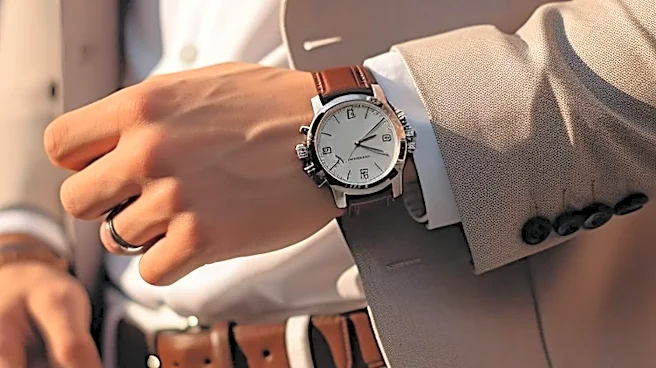
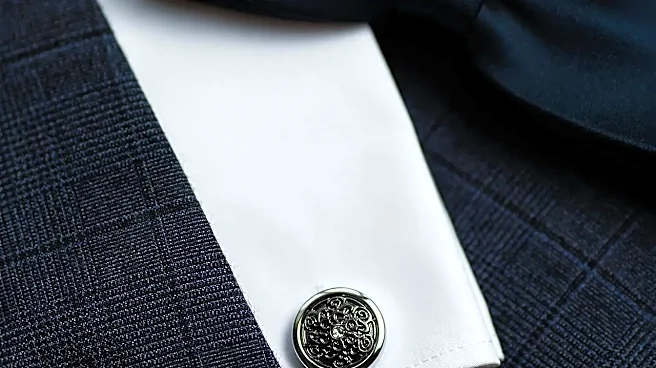
The most fundamental rule in men's tailoring concerns the relationship between the jacket sleeve and the shirt cuff. A small amount of the shirt cuff should always be visible. The classic guideline is to show between a quarter-inch and a half-inch of your
dress shirt. This isn't an arbitrary rule; it serves a crucial aesthetic purpose. That sliver of cuff creates a clean, visual transition from the heavy fabric of the suit to your hands. It provides a subtle pop of color and texture, breaking up the solid block of the sleeve and adding a layer of visual interest. Without it, the entire ensemble can look clunky and ill-considered. Think of it as framing a picture—the frame completes the artwork, and the cuff completes the suit.
The Disruption of Too-Long Sleeves
This is the most common mistake, and it instantly cheapens the look of an expensive suit. When a jacket sleeve is too long, extending down to or past your knuckles, it completely swallows the shirt cuff and your wrist. The visual effect is one of sloppiness. It suggests the suit was bought off-the-rack and never properly fitted, making you look like you're wearing a borrowed garment. Proportionally, it shortens the appearance of your arms and makes your entire frame look heavier and less defined. The clean lines of the tailoring are lost in a jumble of excess fabric at your wrist, disrupting the sleek silhouette the tailor worked so hard to create. It's a small detail that sends a big message: lack of attention.
The Awkwardness of Too-Short Sleeves
While less common, jacket sleeves that are too short create their own set of problems. When more than an inch of shirt cuff is exposed, the proportions are thrown off in the opposite direction. It can look as though the jacket has shrunk or that it belongs to a smaller person. This error draws undue attention to your wrists and can make your arms appear unnaturally long and lanky. It disrupts the balance of the outfit, creating a visual disconnect between the torso and the hands. The goal is a seamless, harmonious line, but an overly short sleeve creates a jarring gap. The sweet spot is key; both extremes undermine the goal of looking polished and put-together.
It's All About the Base
Proper jacket sleeve length is impossible without a correctly fitting dress shirt underneath. The entire system is built on the foundation of the shirt sleeve. Your shirt sleeve should end right at the hinge of your wrist, where your hand begins. If the shirt sleeve is too long, it will billow out from under the jacket, even if the jacket sleeve is the correct length. If it's too short, you'll never be able to show the proper amount of cuff. So, before you even think about your jacket, ensure your shirts fit correctly. The jacket sleeve should then end just above your wrist bone, naturally revealing that perfect half-inch of the shirt cuff beneath it.
The Easiest Fix in Tailoring
Here’s the good news: adjusting the sleeve length is one of the most common, simple, and affordable alterations a tailor can perform. If your sleeves are too long, a tailor can easily shorten them, often resetting the buttons for a flawless finish. Even sleeves with functional buttons, or "surgeon's cuffs," can typically be adjusted by a skilled tailor, though it may be a more complex job. Don't be intimidated by the process. Bringing your go-to dress shirt with you to the tailor will help them pin the jacket sleeve to the perfect length, ensuring the final result is precise. It’s a small investment that protects the larger investment you made in the suit itself.