





The Birth of a Bird and a Voice Vacuum
When Woody Woodpecker first burst onto the scene in 1940 in the Andy Panda short "Knock Knock," he was a chaotic force of nature. His unhinged energy and maniacal laugh were the work of the legendary Mel Blanc, the “Man of a Thousand Voices” best known
for his roles as Bugs Bunny and Daffy Duck. Blanc established Woody's signature cackle, but his tenure was brief. After just a handful of shorts, he signed an exclusive contract with Warner Bros., leaving Walter Lantz Studio with a massive problem: their new star had lost his voice. Over the next decade, a revolving door of actors tried to fill the void, including Danny Webb, Kent Rogers, and even the character's co-creator, Ben Hardaway. None quite captured the perfect blend of mischief and charm, and Mel Blanc’s original laugh was often reused as a stock sound effect. Lantz was on the hunt for a definitive voice that could carry the character forward.
The Secret Audition
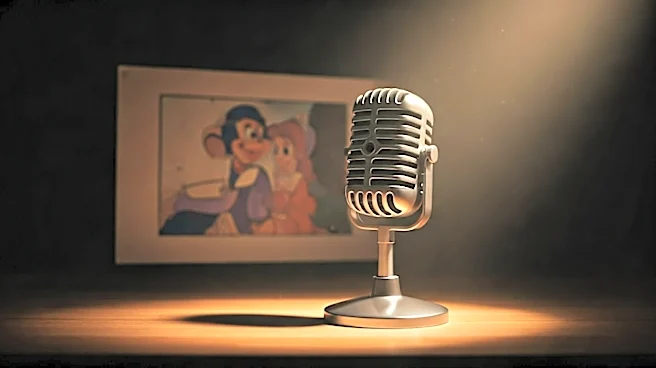
By 1950, the search was on once again. Walter Lantz, frustrated with the revolving door of voice actors and facing legal issues over the use of Blanc's laugh, decided to hold open, anonymous auditions to find a permanent voice for his star woodpecker. He wanted a fresh take, and the submission process was designed to be completely impartial. Tapes came in from voice actors all over Hollywood. One person who was eager to try was Grace Stafford, an actress who had appeared in several films and was also Walter Lantz’s wife. When she offered to audition, her husband politely turned her down, believing a male character needed a male voice. Undeterred, Stafford saw an opportunity. She secretly recorded her own version of Woody's voice and laugh, and without telling anyone, slipped the anonymous tape into the pile of audition recordings. Her bid was a complete long shot, a secret kept from her own husband and his entire studio.
The Unanimous, Unknowing Choice
As Lantz and his staff reviewed the anonymous submissions, they were looking for that special spark. One after another, they listened to different takes on the character. Then they played a recording that made everyone in the room stop. It was energetic, playful, and had just the right amount of rascality. It was, by all accounts, perfect. Lantz reportedly exclaimed, “That’s it! That’s the voice! Sign him up!” It was only then that a staffer revealed the identity of the mystery performer: Grace Stafford, his own wife. Lantz was, by his own admission, completely stunned—he had unknowingly chosen his wife’s voice out of a sea of professional male actors. Stafford had not only won the role on pure merit, but she had also completely fooled her husband and his entire creative team in the process. The studio was shocked, but the decision was undeniable. The best person for the job was already in the family.
A Legacy Without a Name
Grace Stafford began voicing Woody Woodpecker in 1950, but her secret didn't end with the audition. For years, she refused to take a screen credit for the role. She worried that audiences, especially children, would be “disillusioned” if they discovered that the boisterous boy woodpecker was actually voiced by a woman. Her work remained anonymous until 1958, when she finally agreed to be credited, having come to enjoy being known as the voice behind the famous laugh. Stafford went on to voice Woody for over two decades, across more than 150 cartoons, shaping the character into a friendlier, more refined version than the manic bird of the 1940s. Her performance defined Woody for a generation of fans who tuned into "The Woody Woodpecker Show" and watched his theatrical shorts, never suspecting the remarkable story behind the sound.