



The Media Rights Goldmine
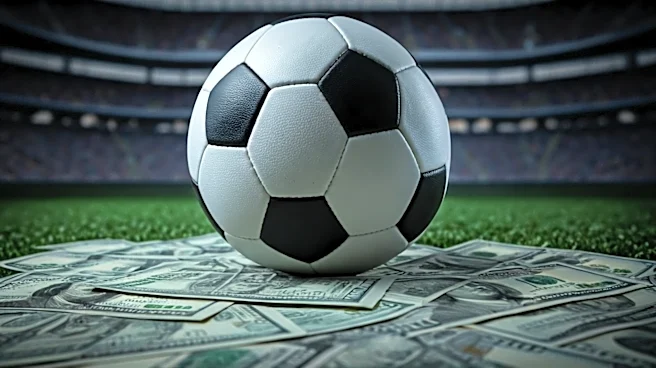
The single biggest river of cash flowing into a tournament like the World Cup doesn't come from ticket sales; it comes from broadcast and media rights. Think of it like a global auction where TV networks and streaming services bid astronomical sums for
the exclusive right to show the games in their region. FIFA or UEFA, the governing bodies, don't just sell one global package. They slice and dice the rights by territory, language, and platform (live TV, highlights, mobile, internet). A broadcaster in the U.S. might pay hundreds of millions for English and Spanish rights, while a network in Brazil pays a fortune for Portuguese rights. This strategy maximizes revenue by tailoring packages to what each market can bear. For the 2022 World Cup, these rights accounted for well over half of the event's total revenue, demonstrating that the real product isn't just the game, but the access to the global audience watching it.
The Sponsorship Pyramid
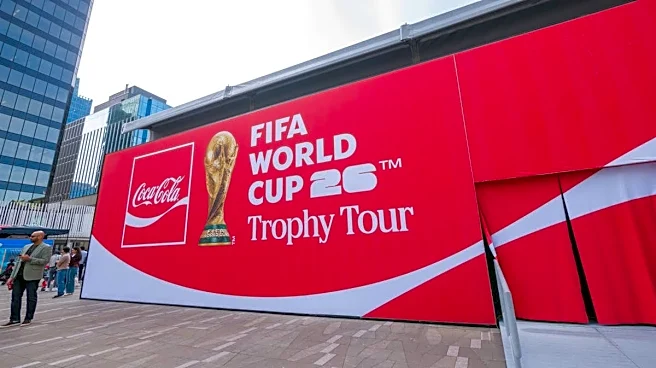
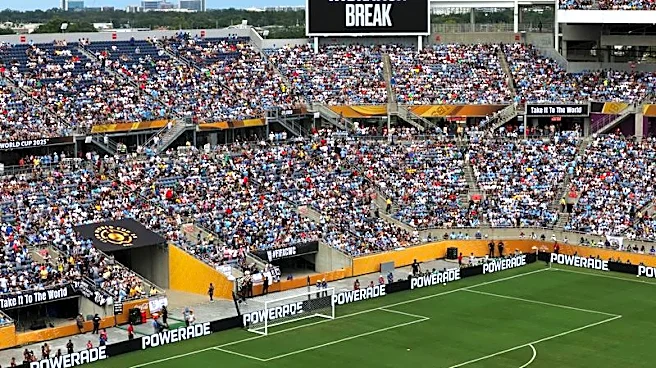
Those logos you see plastered on every available surface aren't there by accident. Tournament sponsorship is a meticulously tiered system. At the top are the premier partners—global brands like Coca-Cola, Adidas, or Visa—that pay the highest fees (often hundreds of millions of dollars) for unparalleled access and marketing rights across all tournaments for a four-year cycle. Below them are event-specific sponsors, who buy rights just for that one tournament. What are they buying? More than just a logo on a banner. They're buying the official association: the right to be the “Official Soft Drink” or “Official Payment Service.” This exclusivity is key. If Visa is a sponsor, you won't see a Mastercard logo anywhere near a stadium. These deals are so valuable because they allow brands to connect with the passion and positive emotions of a global sporting spectacle, an association that traditional advertising can't easily replicate.
The Host City's High-Stakes Gamble
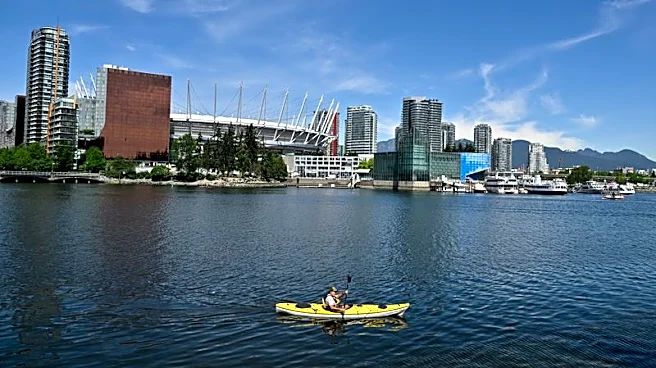
For a host nation, winning the bid to stage the cup is just the beginning of a massive financial undertaking. The costs are monumental. Countries often spend billions on building or renovating world-class stadiums, upgrading airports and public transportation, and ensuring security for millions of visitors. Qatar, for example, reportedly spent over $200 billion on infrastructure ahead of the 2022 World Cup. The payoff is a subject of fierce debate. Proponents point to the short-term economic boom from tourism, construction jobs, and global exposure. However, critics argue the long-term benefits are often overstated. What happens to a dozen state-of-the-art, 40,000-seat stadiums after the final whistle? Many become expensive “white elephants” that are costly to maintain and serve little purpose for the local community. The host's bet is that the global prestige and soft power gains will outweigh the hefty price tag.
Licensing, Merchandise, and Digital Dollars
Beyond the big-ticket items, a torrent of revenue comes from licensing and merchandise. Every official jersey, scarf, hat, and commemorative mug sold contributes to the pot. But the most lucrative licensing deal in modern sports history was arguably the one for video games. For decades, Electronic Arts (EA) paid FIFA a licensing fee to use its name and tournament branding for its wildly popular video game series. This single deal was a massive, consistent source of income. While that specific partnership has ended, the principle remains: controlling the digital and physical likeness of the tournament is a major business. From official mobile apps to collectible digital assets, governing bodies are constantly finding new ways to monetize the brand that fans around the world love.