




What Exactly Is Analog Horror?
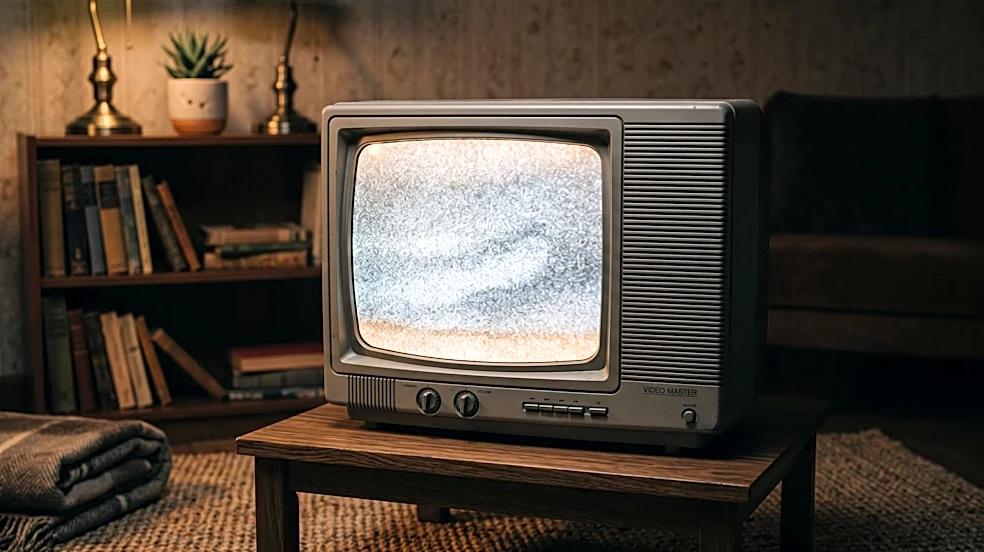
Before you can add it to your queue, let's define the genre. Analog horror is a subgenre of found footage that ditches the shaky-cam confessionals for something far more unsettling. It presents itself as corrupted media from the past: a warped VHS tape,
a hijacked local TV broadcast, or a creepy public service announcement from a forgotten government agency. The aesthetic is key — think grainy visuals, distorted audio, and the glitches of 20th-century technology. Popularized by online series like 'Local 58', 'The Mandela Catalogue', and 'Gemini Home Entertainment', the genre rarely uses traditional jump scares. Instead, it creates a deep, creeping dread by showing you something you were never meant to see, through a medium that feels unnervingly official.
Weaponizing Nostalgia
Part of what makes analog horror so effective is how it preys on our collective memory. For anyone who grew up with VCRs and rabbit-ear antennas, the format is instantly familiar, even comforting. Analog horror takes that comfort and curdles it. The slightly-off corporate training video, the emergency alert that feels too real, the children's program that descends into madness — they all work by taking a trusted format and twisting it. This creates a powerful sense of the 'uncanny valley'. It’s not just a monster on screen; it's the corruption of a safe memory, making the horror feel deeply personal and psychologically invasive. The dread comes from seeing the wholesome artifacts of the past reveal a terrifying, hidden truth.
The Terror of the Unseen
Modern mainstream horror often leaves little to the imagination. With crystal-clear 4K resolution and multi-million-dollar CGI, we see every glistening fang and sinewy muscle of the monster. Analog horror works on the opposite principle: less is scarier. The low-fidelity nature of the format — the static, the tracking errors, the blurry faces — forces your brain to do the heavy lifting. You don't see the creature clearly; you see a distorted smudge in the corner of the screen, a face that's just slightly too long, or a shadow that moves when it shouldn't. By feeding you incomplete and corrupted information, the genre leverages our natural tendency to fear the unknown. Your own imagination becomes the most effective special effects artist, filling in the terrifying blanks with something far more frightening than any CGI could render.
Crafting Your Perfect Analog Marathon
So, how do you program this night of lo-fi dread? You have classics to choose from. A great marathon could start with the series that named the genre: Kris Straub's 'Local 58'. Its collection of hijacked television segments, from a tranquil station sign-off that advises you to look at the moon to a frantic broadcast during a celestial event, is the perfect primer. From there, move into 'Gemini Home Entertainment', a series of unsettling instructional tapes from a mysterious video distribution company that reveal a horrifying truth about alien flora and fauna. For the grand finale, unleash 'The Mandela Catalogue'. This series presents a world infiltrated by 'Alternates' — demonic entities that use psychological torture to drive their victims to suicide. Its blend of religious horror and existential dread makes for a truly unforgettable and disturbing conclusion to your evening.