
It All Starts with the Fiber
The foundation of any luxurious fabric is the raw material. Experts emphasize that the length of the fiber, known as its "staple," is one of the most critical factors. Long and extra-long staple fibers, like those found in high-end Egyptian cotton or premium
linen, create yarns that are smoother, stronger, and more resistant to pilling. Shorter fibers, common in cheaper materials, have more ends that can poke out from the yarn's surface, resulting in a rougher texture and a fabric that breaks down more quickly. Think of it like braiding hair: a long, continuous strand creates a sleek, strong braid, while short, choppy layers result in flyaways. The same principle applies to textiles, where longer fibers produce a smoother, more lustrous surface that inherently looks and feels more refined.
The Art of the Weave and Knit
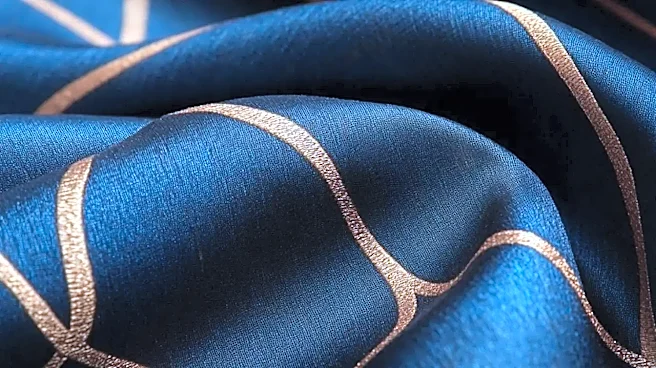
Once high-quality fibers are spun into yarn, the way they are constructed into fabric is the next crucial step. A dense, tight, and consistent weave or knit is a hallmark of luxury. You can often test this by holding a fabric up to the light; in a quality piece, you shouldn't see obvious gaps or irregularities. This density, sometimes measured in grams per square meter (GSM), contributes to the fabric's durability and its drape—the way it hangs and moves. For example, high-end linen will have a tight, even weave, while its cheaper counterparts might look loose and distort easily. Similarly, a satin weave, where threads are allowed to "float" over several others, creates the smooth, glossy surface we associate with silk, but a well-executed one feels substantial, not flimsy.
Color, Drape, and Finish
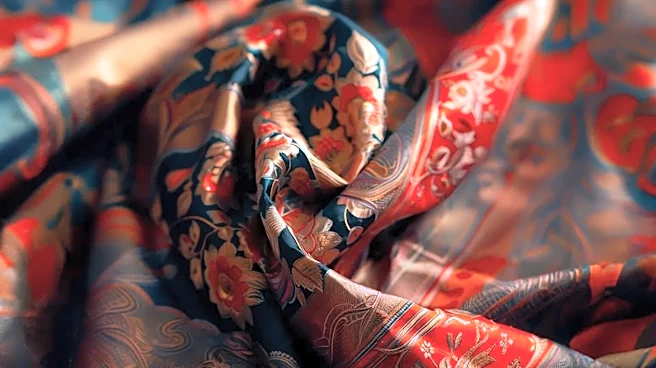
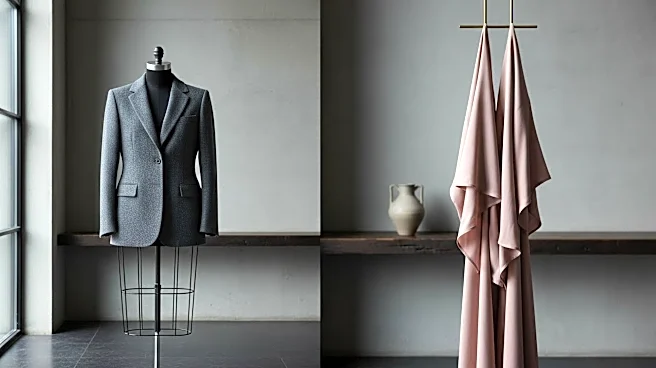
How a fabric is dyed and finished can make all the difference. Luxurious textiles often exhibit a deep, rich, and even color saturation, a sign that high-quality dyes have fully penetrated the fibers. Patchy or overly bright colors can indicate a cheaper process. Beyond color, the finishing process enhances a fabric's natural qualities. Treatments like enzyme washing can soften linen without damaging the fibers, while mercerization gives cotton a subtle, elegant sheen and increases its strength. These finishing touches contribute to the fabric's "hand"—how it feels to the touch—and its drape. A minimalist garment often relies on its beautiful drape to create a sense of elegance, flowing with the body rather than clinging or feeling stiff. This fluid movement is a quiet signal of quality construction.
Restraint in the Final Design
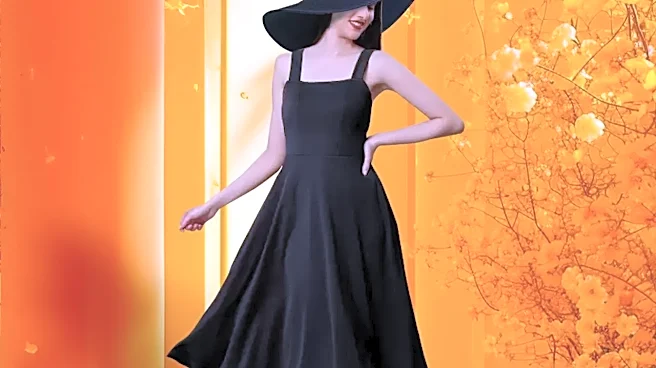
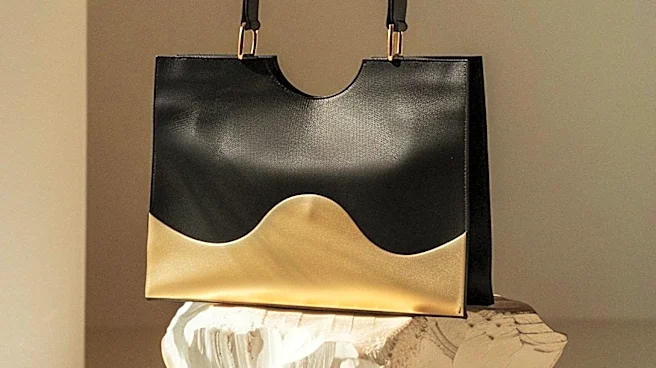
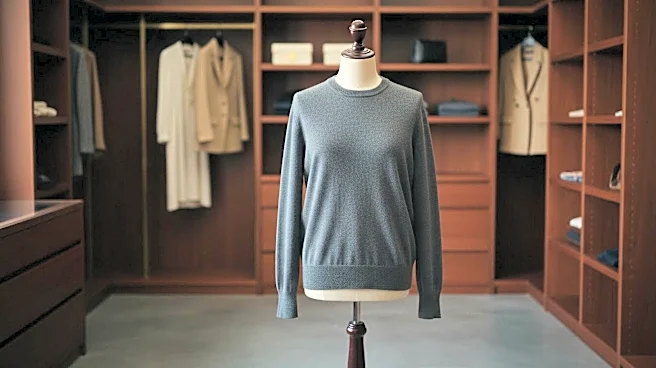
Finally, the luxury of a minimalist fabric is showcased through its use. The point of investing in a beautiful material is to let it be the star. This is why quiet luxury pieces often feature simple silhouettes, clean lines, and flawless construction. Instead of distracting with excessive seams, loud patterns, or bulky hardware, the design is intentionally restrained. The focus shifts to the quality of the material itself—its texture, its subtle luster, and the way it hangs. A perfectly tailored fit that honors the body's contours is also key. When a garment is well-made from a superior fabric, it doesn’t need to shout for attention; its quality speaks for itself in a confident whisper.