



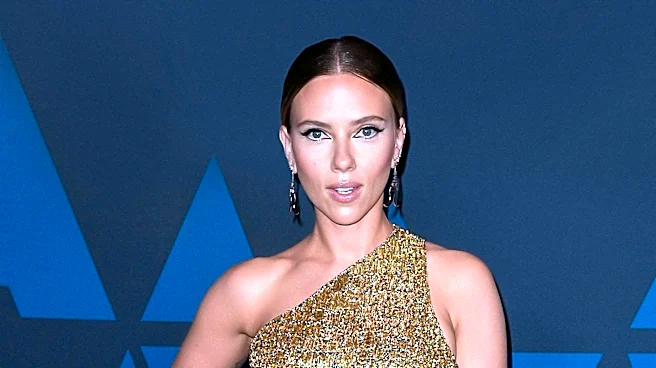
First, What Is a Petite Rectangle?
Before we dive into the debate, let's clarify the terms. In styling, "petite" refers to height, typically 5'4" and under. The "rectangle" refers to body proportions where the shoulders, bust, and hips are all roughly the same measurement, resulting in a less
defined waist. It’s often described as an athletic or straight frame. The challenge for this body type is often a combination of two sets of rules: petite advice focuses on verticality and avoiding being overwhelmed by fabric, while rectangle advice often centers on manufacturing curves. This is where the conflict begins.
Camp #1: The Art of Illusion
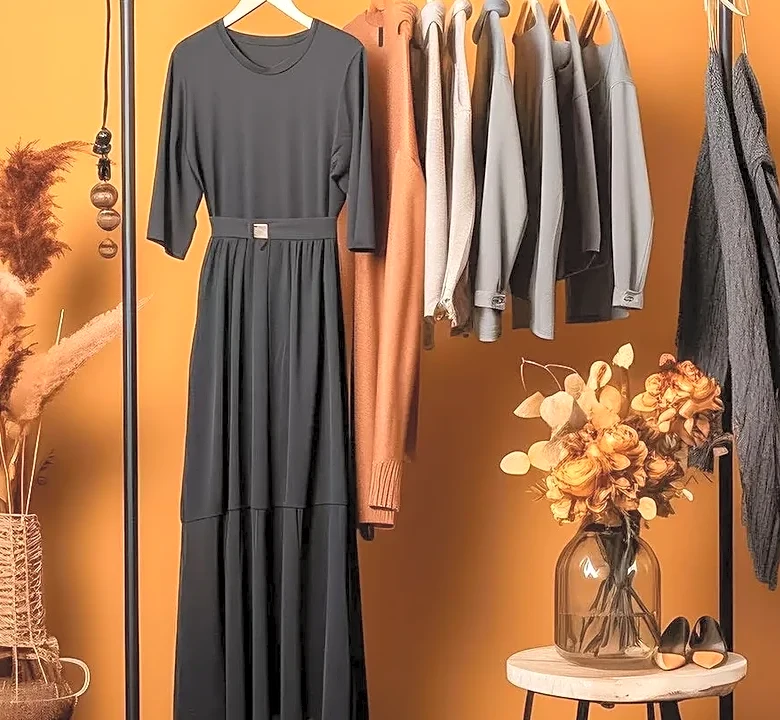
The first and most traditional school of thought says the goal is to create the illusion of an hourglass figure. This approach uses clothing to visually nip in the waist and add volume to the bust and hips, manufacturing curves where they don't naturally exist. Stylists in this camp will tell you to use belts, wrap dresses, peplum tops, and fit-and-flare skirts. Necklines like V-necks and scoop necks are recommended to create softness and shape up top, while A-line skirts or flared jeans build volume on the bottom. This philosophy is about using fashion as a tool to sculpt the body into a specific, classic feminine ideal.
Camp #2: Celebrating the Silhouette
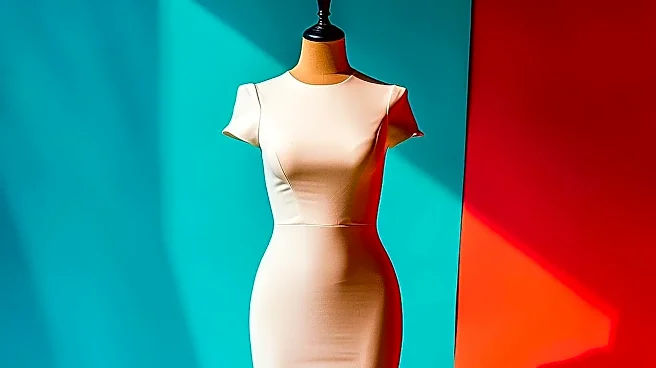
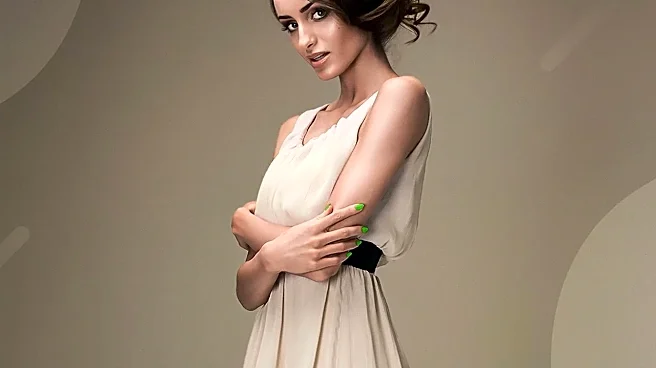
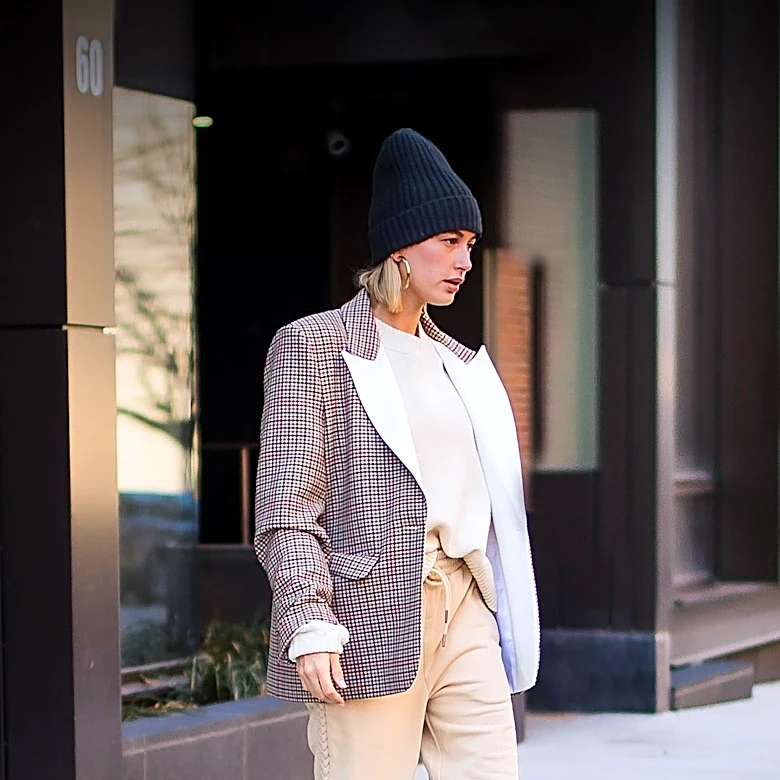
A more modern styling philosophy takes the opposite approach: instead of “correcting” a straight frame, why not celebrate it? This camp champions looks that honor the body's natural lines. Think of the chic, column-like silhouettes often seen on runways and high-fashion models, many of whom have rectangular frames. Proponents of this style favor monochromatic outfits, straight-leg trousers, well-tailored blazers, and simple shift or slip dresses. The idea here is not to force curves but to lean into the clean, linear elegance of the shape, creating a look that is minimalist, sophisticated, and effortlessly cool.
The Real Disagreement: Different Goals
So, what’s the real reason for the disagreement? It's not that one side is right and the other is wrong. The conflict arises because they are trying to achieve two completely different goals. One philosophy is based on the ideal of transformation—the belief that style should help you achieve a certain pre-defined shape (the hourglass). The other is based on the ideal of authenticity—the belief that style should honor and elevate the shape you already have. The first is about creating illusion, while the second is about highlighting reality. It’s a classic debate: should fashion be about conforming to an ideal, or expressing your individuality?
So, Who Is Right for You?
The only person who can answer that is you. Understanding the two philosophies empowers you to become your own stylist. Instead of blindly following a list of “rules,” you can now make intentional choices based on how you want to look and feel on any given day. Do you love a traditionally feminine, curvy look? Then the tools from Camp #1—the belts, the peplums, the A-line skirts—are your best friends. Do you admire a more modern, architectural, or minimalist aesthetic? Then the columnar dressing and clean lines of Camp #2 will feel more authentic to you. The best part is, you don’t have to pick a side forever. You can be a curve-creator on Monday and a minimalist on Tuesday.