






Inventing a Fantasy in a Grunge World
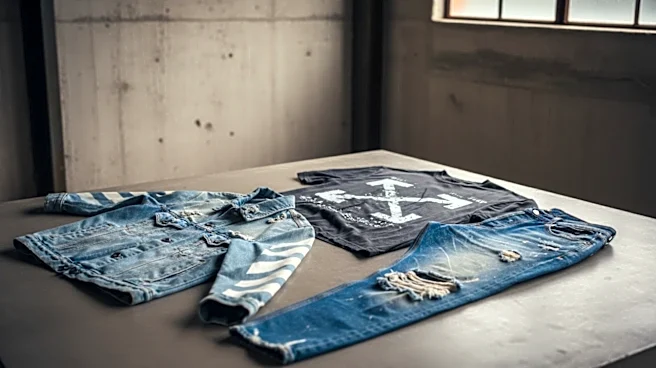
To understand the impact of Clueless, you have to remember what 1995 actually looked like. The dominant aesthetic was grunge: flannel shirts, baggy jeans, and a general anti-fashion sentiment. When director Amy Heckerling and costume designer Mona May
scouted Los Angeles high schools for inspiration, they were met with a sea of shapeless, drab clothing. They wanted the opposite for their Beverly Hills heroines: a vibrant, feminine, and hyper-fashionable fantasy. The problem? This look didn't exist yet in the mainstream. The script called for girls who were inappropriately chic for high school, treating the hallways like a runway. Heckerling and May had to invent a whole new visual language, one that would purposefully stand out from the gritty reality of mid-90s style.
The High-Low Revolution
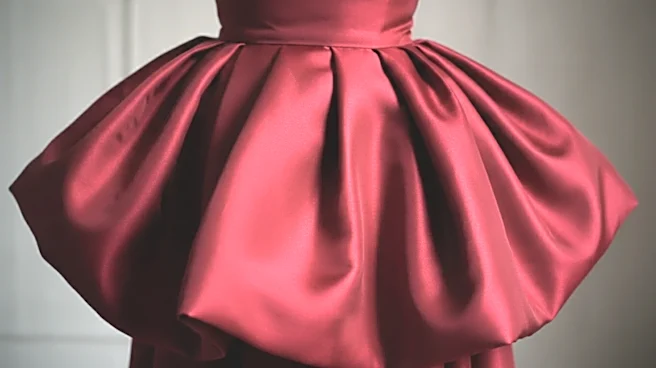
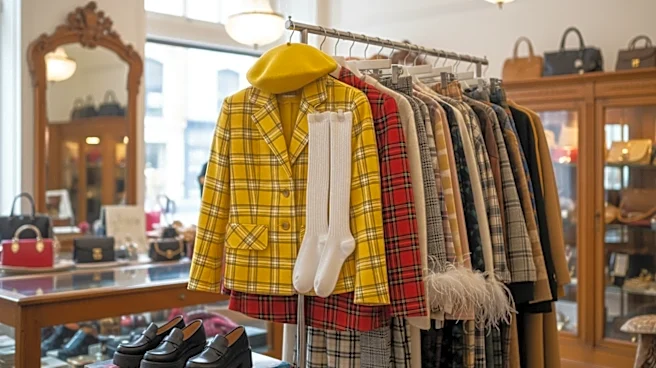
May was tasked with creating dozens of distinct, high-fashion looks for multiple characters on a relatively modest budget. Unlike a modern blockbuster with brands lining up for placement, May had to personally beg designers for pieces, even calling the Alaïa atelier in Paris to secure the now-legendary red dress. With limited funds and access, she became a fashion detective, pioneering a strategy that was unheard of at the time: mixing high and low. A few key designer pieces, like a Jean Paul Gaultier suit or a Calvin Klein dress, were masterfully blended with items sourced from thrift stores, mall shops like Contempo Casuals, and even rave boutiques on Melrose Avenue. This approach wasn't just a budget hack; it became a core part of the film's aesthetic. Nobody was dressing like that then, and this clever mix made the aspirational outfits feel unique and surprisingly accessible.
From Thrift Store to Trendsetter
This behind-the-scenes sourcing strategy had a massive, unforeseen ripple effect. By pairing designer labels with vintage finds, Clueless didn't just reflect trends—it created them. The movie’s popularity sparked a cultural shift away from the singular look of grunge and toward a more individual, playful, and feminine style. Suddenly, girls everywhere wanted to dress like Cher and Dionne. But because the outfits weren't available off-the-rack, fans had to get creative, just as Mona May had. They had to become their own stylists, heading to thrift stores and malls to piece together their own versions of the Clueless look. The film essentially provided a blueprint for personal style, demonstrating that fashion wasn't about buying a complete look from one place, but about curating pieces from different sources to express yourself.
The 'Clueless' Effect in Your Closet Today
The method May used out of necessity is now the default mode for how we dress. The concept of high-low dressing—pairing a designer bag with vintage jeans, for instance—is a dominant force in modern fashion. The film's influence is visible in the explosion of online resale platforms, the culture of thrift-flipping on social media, and the mainstream embrace of vintage as a sustainable and stylish choice. Mona May herself has even collaborated with vintage marketplaces, cementing her legacy as a proponent of secondhand style. The idea that you can find treasures in a thrift store and mix them with contemporary pieces to create a unique look is a direct descendant of the sartorial DNA embedded in Clueless. A film that set out to create a fashion fantasy accidentally taught a generation how to become their own fashion icons by looking to the past.