





The Holiday Decision Dilemma
The Independence Day holiday is a rare four-day weekend for many Americans, a time filled with barbecues, family gatherings, and travel. When it comes to choosing a movie, the last thing a group wants is a lengthy debate or the risk of picking a dud.
This is where brand familiarity becomes a studio's greatest asset. A title like Illumination's upcoming "Minions & Monsters," set for a July 1st release, requires almost no explanation. Audiences know the characters and the comedic tone, making it an easy, friction-free choice for families looking for reliable entertainment. This isn't about a lack of adventurous taste; it's about a surplus of options and a desire for a guaranteed good time. On a holiday, a recognizable brand is a safe bet, a pre-approved consensus pick for a group of mixed ages and tastes.
De-Risking a Billion-Dollar Bet
Summer blockbusters are among the most expensive commercial products on Earth. With production and marketing budgets regularly soaring into the hundreds of millions, studios are not just making movies; they are managing massive financial risk. A sequel or franchise film comes with a built-in audience and established brand awareness, which significantly lowers the marketing costs required to get a new story off the ground. Research shows that successful franchise films can generate a return on investment nearly double that of original concepts. By 2024, nearly every film in the domestic top ten was part of a larger franchise. The strategy is clear: when you're betting the farm, you want to bet on a horse that has won before. This financial reality makes original, untested ideas a much harder sell, especially for a premium release date like the Fourth of July.
Winning the Corridor
The term "corridor" is key. It refers to a specific, highly competitive window in the release calendar. The July 4th corridor is a battlefield where multiple studios vie for the attention of a massive, available audience. A familiar title can cut through the noise of holiday distractions. Think of it like this: you're more likely to notice a familiar face in a crowded room. Similarly, a movie like "Jurassic World Rebirth" or a new entry in the "Despicable Me" saga doesn't have to introduce its world; it just has to announce its arrival. This strategy dates back to 1996 with the release of "Independence Day," a film that transformed the holiday weekend into a prime slot for event filmmaking. The goal isn't just to release a movie, but to dominate the cultural conversation for that brief, lucrative period.
The Exceptions That Prove the Rule
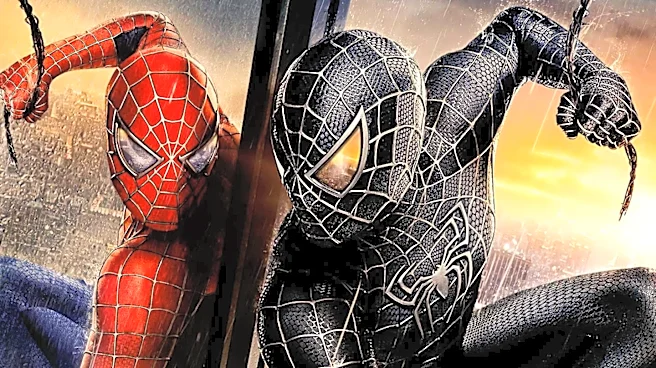
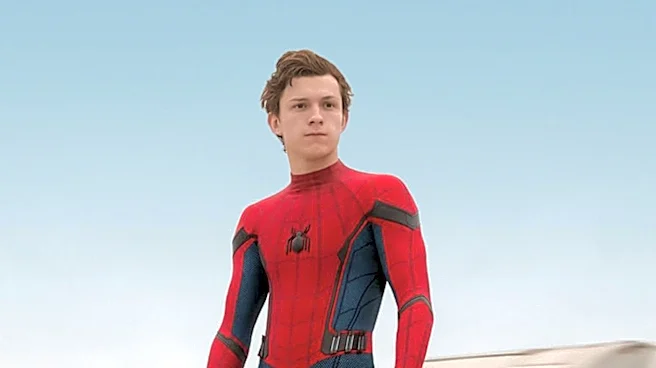
While franchises rule the summer, there are occasional exceptions. Films based on true stories or compelling original concepts can sometimes break through. The surprise success of films like "Sound of Freedom" in previous years shows that a powerful grassroots campaign can capture audience attention. However, for every original hit, there are numerous franchise films that reliably pull in hundreds of millions of dollars. Even a patriotic-themed hit like "Top Gun: Maverick" benefits from being a sequel to a beloved classic. The industry has been reminded that originality can work, as seen in the "Barbenheimer" phenomenon of 2023, but the underlying business model still heavily favors established intellectual property. The 2026 slate, heavy with titles like "Spider-Man: Brand New Day" and a new "Avengers" film, shows the blockbuster machine is still running on the fuel of familiarity.