

The Gospel of Flawless Coverage
For decades, the goal of red-carpet makeup was simple: create an impenetrable, perfect canvas. This is the aesthetic mastered by Millennials and Gen X stars who came of age in the era of high-definition television and the rise of Instagram. Think of the quintessential
2010s look: full-coverage, matte foundation, expertly “baked” under-eyes, and a sharp contour that could slice bread. This was the artistry of makeup artists like Mario Dedivanovic on clients like Kim Kardashian, or the airbrushed glamour of Jennifer Lopez. The philosophy was aspirational perfection. Makeup wasn't meant to look like skin; it was meant to look like a flawless filter, brought to life. It was a response to the harsh glare of paparazzi flashes and the unforgiving eye of the HD camera. Every pore, blemish, and shadow was a potential liability, and heavy-duty makeup was the armor.
Gen Z’s “Real Skin” Rebellion
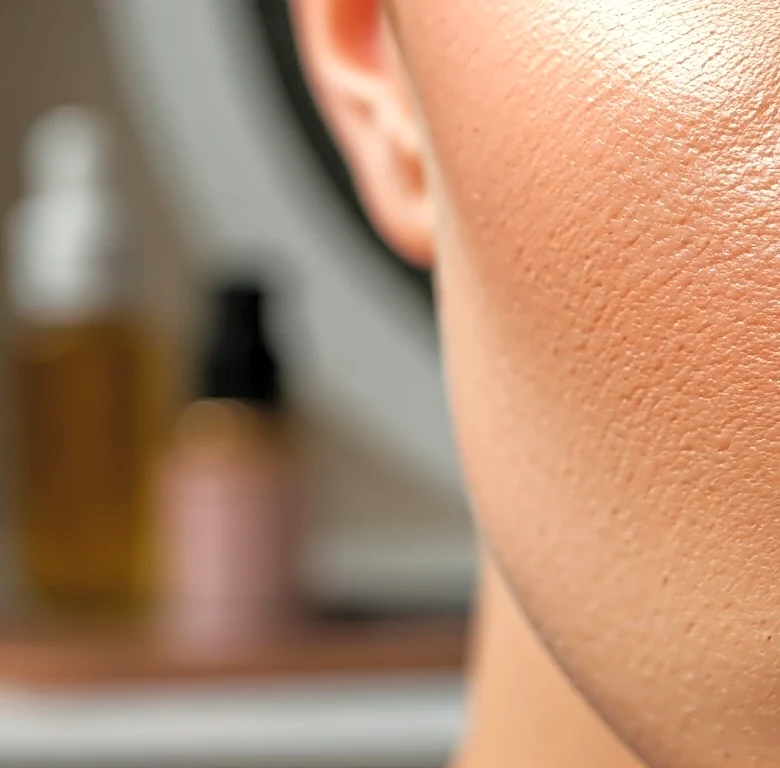
Enter Gen Z, a cohort raised on iPhones, FaceTime, and TikTok. Their relationship with cameras is more intimate and constant, and their definition of beauty has shifted accordingly. For stars like Jenna Ortega, Olivia Rodrigo, and Zendaya, the goal isn't to erase the skin but to celebrate it. Their red-carpet looks often feature sheer, dewy foundations that let freckles, texture, and natural radiance shine through. This is the era of “glass skin,” “cloud skin,” and the Hailey Bieber-endorsed “glazed donut” look. It’s less about transformation and more about enhancement. Makeup is detectable, but in a different way—you see the glossy highlight on the cheekbone or the flush of a cream blush, but you also see the skin underneath. The new aspiration isn't to look poreless and perfect, but to look healthy, hydrated, and effortlessly cool. The message is one of authenticity, even if it’s a carefully curated version of it.
From Instagram Grid to TikTok For You
So what’s behind this aesthetic schism? The answer lies in the evolution of social media. The Millennial “Instagram Baddie” look was born on a platform that, in its early days, rewarded static, perfectly composed images. The algorithm favored polish. You had time to find the right angle, apply a filter, and post the single best shot. The makeup reflected this: it was high-effort and designed to look immaculate in a still photograph. TikTok, Gen Z’s native platform, blew that up. Its algorithm rewards authenticity, movement, and relatability. The content is video-based, often raw, and consumed in a rapid-fire scroll. A heavy, matte face can look mask-like and dated in a casual, front-camera video. The dewy, skin-first look, however, thrives in this environment. It looks fresh, modern, and—crucially—like something a normal person could (almost) achieve.
The Makeup Artist’s Dilemma
This divide puts professional makeup artists in a fascinating position. Many now have to be fluent in both languages. Working with a 45-year-old Oscar winner might require the traditional techniques of sculpting, setting, and ensuring the makeup lasts for 12 hours under hot lights. The goal is bulletproof glamour. An hour later, they might be working with a 22-year-old pop star who wants to look like she just finished a great skincare routine and threw on some lip oil. For this client, the artist might spend more time on skin prep—lymphatic massage, masks, and serums—than on the makeup itself. As celebrity makeup artist Katie Mellinger has noted, younger clients often ask to “still see my skin.” It’s not about which approach is better, but about understanding the different cultural currencies of perfection and authenticity, and knowing when to deploy each.