




The Human Touch of Hand-Finished Edges
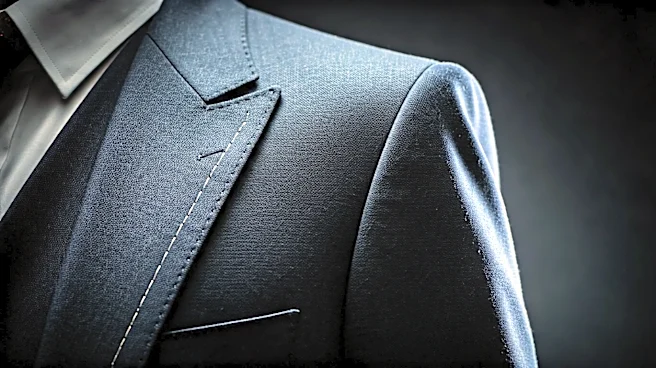
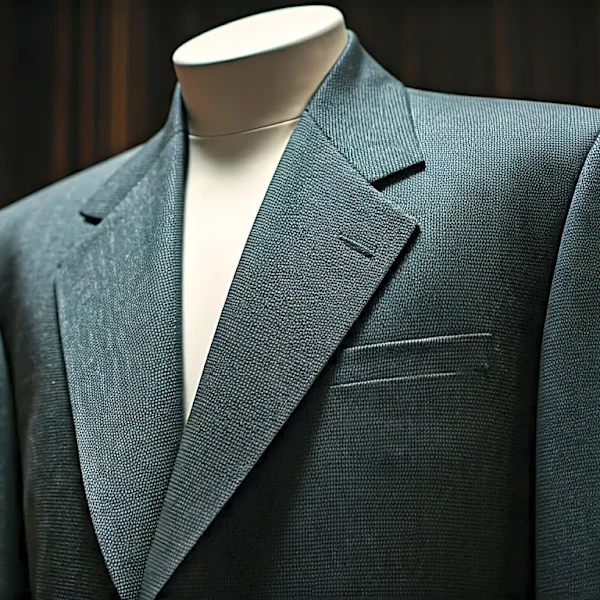
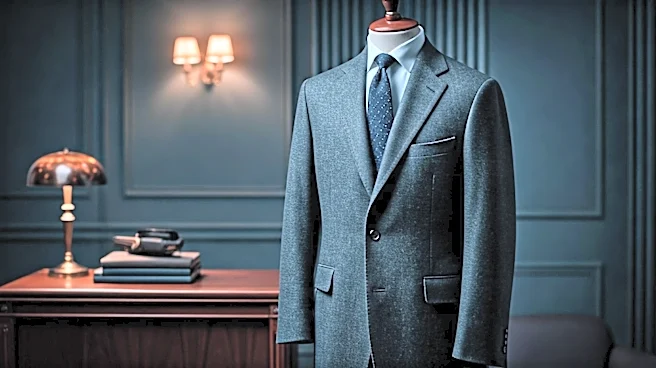
Start by looking at the edges of a jacket’s lapels. On a mass-produced garment, you’ll likely see a perfectly flat, machine-pressed edge. It’s clean, but it’s lifeless. A high-quality piece, however, often features a subtle roll and puckering along the seam,
known as *pic stitching*. This isn’t a flaw; it’s the signature of a hand-sewn edge. This delicate work takes time and skill, allowing the lapel to roll beautifully over the chest rather than lying flat. An even higher-level detail is the Milanese buttonhole. Unlike a standard machine-cut slit, this is a raised, three-dimensional sculpture of thread, painstakingly built up by a skilled artisan. It serves no functional advantage over a machine-made hole, but its existence is a pure, unapologetic signal of time, artistry, and expense—the very definition of a luxury detail.
The Button Test: Horn vs. Plastic
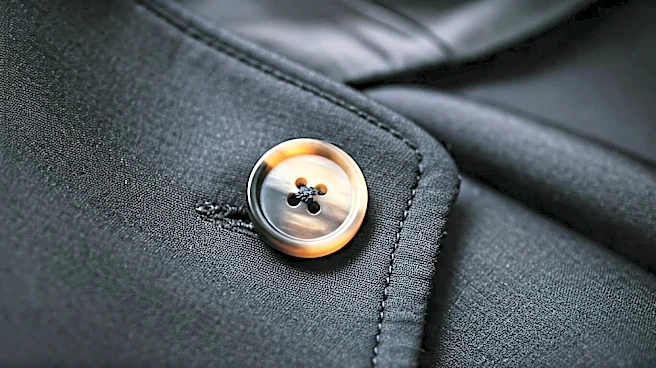
Buttons are one of the easiest and most telling giveaways of a garment's quality. Mass-market clothing almost exclusively uses plastic buttons. They are cheap, uniform, and quick to attach. Luxury garments, on the other hand, frequently use buttons made from natural materials. The classic choice for suits and sport coats is horn—typically from water buffalo. Real horn buttons have a satisfying heft and a cool touch. Each one has a unique, subtle grain and depth of color, much like a fingerprint; no two are exactly alike. In contrast, a plastic button feels lightweight, warm, and looks flat. To spot the difference, look closely for the natural striations. Another tell-tale sign is how the button is attached. High-end jackets often feature buttons sewn on with a thread shank, a small stem of thread that gives the button space to move, reducing stress on the fabric when buttoned. It's a small detail that makes a big difference in longevity and feel.
What’s on the Inside Counts: The Lining
A cheap jacket lining is a dead giveaway. Most off-the-rack suits use polyester or acetate linings because they’re inexpensive and durable. But they’re also notorious for being non-breathable. Wearing one can feel like being wrapped in plastic, trapping heat and moisture. A luxury garment invests in what you feel, not just what you see. The gold standard for lining is Bemberg, a brand name for cupro. This is a silky, high-end rayon made from cotton linter. It’s incredibly smooth, allowing you to slip the jacket on and off effortlessly. More importantly, it’s highly breathable and wicks moisture away from the body, keeping you comfortable. A well-made jacket might also be half-lined or unlined, which requires the inside seams to be beautifully finished since they are visible. This showcases the tailor’s skill and is a sign of confident, high-quality construction intended for warmer weather.
Bonus Tell: Functional Sleeve Buttons
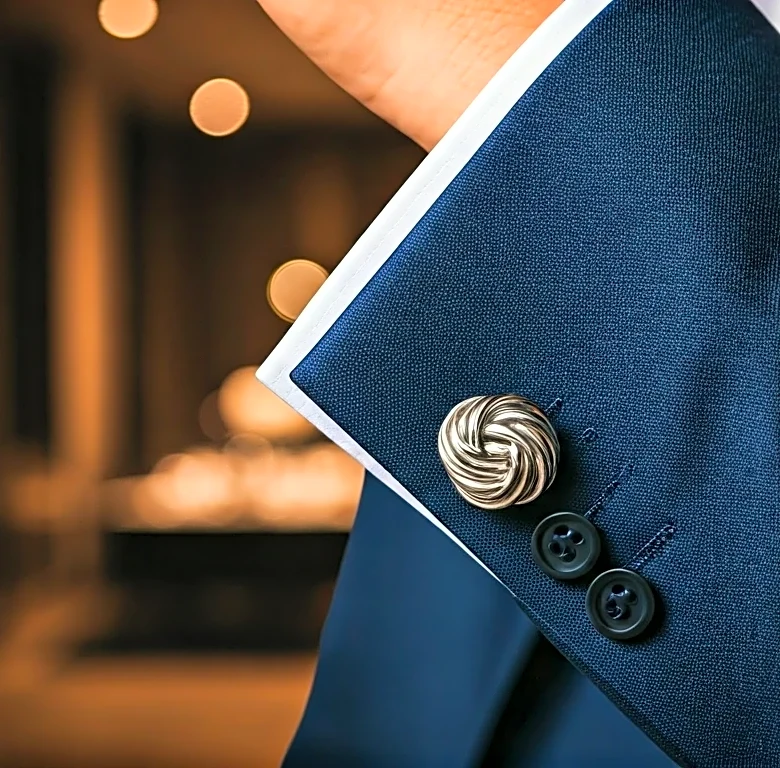
Look at the buttons on the cuff of a suit jacket. On most, they are purely decorative, sewn flat onto the sleeve. But on a bespoke or high-end ready-to-wear piece, you’ll often find “surgeon’s cuffs”—buttons that can actually be unbuttoned. The name comes from the days when surgeons would roll up their sleeves before performing a procedure. Today, it serves a different purpose: it’s a quiet nod to custom tailoring. Creating functional buttonholes on a sleeve is a complex and costly process that can’t be easily done by machine. It also means the sleeve length cannot be easily altered after the fact, so it’s a commitment to a perfect fit from the start. While some mid-range brands have started adding this feature, leaving the last button undone is a classic, if slightly peacocky, way for menswear aficionados to signal they’re wearing something a cut above the rest.