

The Ghost in the Machine
The decade began with a ghost story that felt chillingly modern. In 2002, Gore Verbinski’s “The Ring” didn’t just scare audiences; it created a phenomenon. Adapted from the 1998 Japanese film “Ringu,” it kickstarted a boom of American remakes of what
was dubbed “J-Horror.” These films, including “The Grudge” and “Dark Water,” traded slasher gore for psychological terror. The horror wasn't a man in a mask, but a malevolent spirit transmitted through everyday technology like a VHS tape or a phone call. This new anxiety felt uniquely suited to a world entering a new millennium, where technology was becoming more integrated into daily life than ever before. The scares were less about what you could see and more about the unsettling feeling of a curse that could spread like a virus.
The PG-13 Sweet Spot
Many of the era's biggest supernatural hits shared a key trait: a PG-13 rating. Films like “The Ring,” M. Night Shyamalan’s “Signs,” and “The Others” proved you could pack theaters without extreme violence. By focusing on atmosphere, jump scares, and suspense over blood and guts, studios found a lucrative sweet spot. This approach made the films accessible to a much wider audience, including teenagers who were old enough for a good scare but locked out of R-rated gorefests. This accessibility is a major reason for their staying power. Those teens are now adults with streaming subscriptions, and these films represent a kind of nostalgic comfort-horror—scary enough to be effective, but not so intense as to be truly disturbing. They are the perfect films for a group movie night in October.
An Unmistakable Gloomy Aesthetic
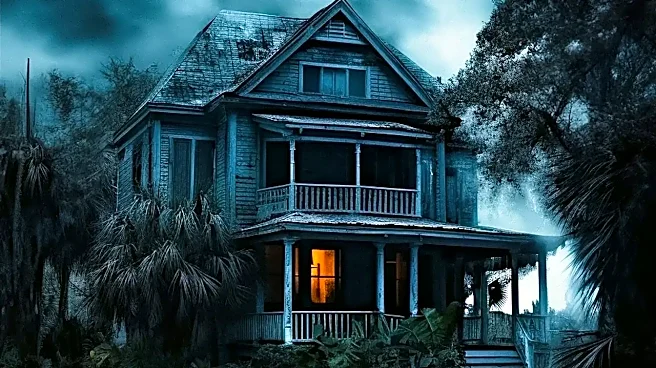
Visually, these movies are instantly recognizable. They are drenched in a desaturated, blue or gray-green color palette that became a signature of early 2000s thrillers. Whether it was the perpetually rainy Pacific Northwest of “The Ring” or the fog-shrouded English manor of “The Others,” the aesthetic created a constant sense of gloom and emotional bleakness. This wasn't just a stylistic choice; it was a mood. The look, enabled by emerging digital color grading techniques, made the supernatural feel grounded and oppressively real. Combined with a clean, almost sterile cinematography, this visual language set the 2000s wave apart from the gritty horror of the '70s and the vibrant slashers of the '80s and '90s.
When A-Listers Got Scared
The genre also gained a new level of prestige by attracting major star power. Before the 2000s, top-tier actors often avoided horror. But this decade saw Harrison Ford and Michelle Pfeiffer in “What Lies Beneath,” Nicole Kidman in the critically acclaimed “The Others,” and Mel Gibson in the blockbuster “Signs.” These A-listers lent the films a seriousness and dramatic weight that elevated them beyond typical genre fare. Their presence signaled that these weren't just scary movies; they were compelling dramas that happened to involve ghosts or aliens. This drew in audiences who might normally skip a horror film, further cementing the movies' place in the cultural mainstream.