









The Problem of Peak Summer Heat
For decades, hosting a major summer sporting event came with an asterisk: the weather. Searing temperatures and high humidity have long been a challenge, impacting everything from player safety to the quality of play. Extreme heat poses significant health
risks for elite athletes, including heat stroke and exhaustion, forcing organizers to implement cooling breaks that interrupt the flow of the game. Studies show that heat stress impairs cognitive function and reduces players' physical output, meaning the game itself suffers. Fans, too, endure uncomfortable and sometimes dangerous conditions in open-air stadiums, which can detract from the vibrant atmosphere that defines tournaments like the World Cup. With climate change pushing summer temperatures to new extremes, the traditional model of toughing it out is becoming increasingly untenable.
Engineering the Perfect Gameday Weather
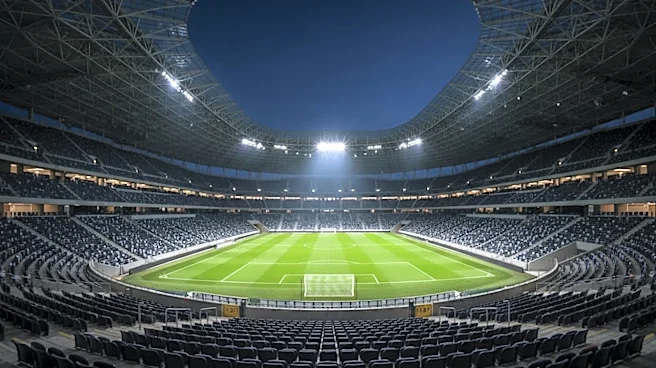
Enter the climate-controlled stadium, a concept demonstrated on a massive scale at the 2022 World Cup in Qatar. The technology, once thought impossible for open-air venues, is now a reality. Using a combination of insulation and 'spot cooling,' these systems create a cool bubble for players and spectators. Massive chillers, often working overnight when electricity is cheaper, cool water that is then pumped to air handling units throughout the stadium. This chilled air is then pushed out through thousands of nozzles, including large ones at pitch level and smaller diffusers under fans' seats. The system is designed to recycle the cooled air, making it more efficient than constantly cooling hot outside air. For the 2026 World Cup, several U.S. venues, like those in Houston, Dallas, and Atlanta, feature retractable roofs and massive HVAC systems designed to combat brutal summer conditions.
A New Era for Fans and Players
The most obvious benefit of climate control is comfort and safety. Players can perform at their peak without the debilitating effects of heat, potentially leading to a higher-quality and more energetic style of soccer. For fans, the experience is transformed. A guaranteed comfortable temperature of around 70-75 degrees makes attending a match more accessible for everyone, including children and the elderly. However, the technology is not without its quirks. At the Qatar World Cup, the primary complaint wasn't heat, but cold; some fans found the powerful air conditioning a little too effective, forcing them to wear jumpers in the desert. This raises a new question: does a perfectly controlled environment, stripped of the elements, diminish the authentic, raw, and sometimes challenging experience that has long been part of soccer's global appeal?
The Unseen Costs and Criticisms
Creating an artificial climate for 70,000 people comes with a significant cost, both financially and environmentally. The energy consumption of these colossal HVAC systems is enormous, with a single game day at a large stadium using as much electricity as dozens of homes use in a month. While many new stadiums incorporate sustainable features like solar panels and rainwater harvesting systems to offset their footprint, the energy demand remains a major concern for environmental critics. These building and operating costs can also be passed on to fans through higher ticket prices. Ultimately, the rise of the climate-controlled stadium presents a fundamental trade-off: in our quest to conquer the heat for a perfect viewing experience, we are forced to confront complex questions about sustainability, cost, and the very nature of outdoor sport.