

The Founders: Glam as Gathering
In the beginning, there was no glam. When Comic-Con first started in 1970, it was a gathering of 300 people in a hotel basement. For the first generation of fans—mostly Baby Boomers and the oldest Gen Xers—the event itself was the main attraction. Fandom
was a niche, often private interest, and Comic-Con was a rare chance to find your tribe. "Glam" wasn't about what you wore; it was about the thrill of being in a room where people loved the same obscure comic books and sci-fi shows you did. Costumes, then called "masquerades," were present but not the primary focus. The most glamorous thing imaginable was simply getting to meet a comic artist or writer without having to explain who they were. The allure was connection, not presentation.
Gen X: The Bridge to the Mainstream
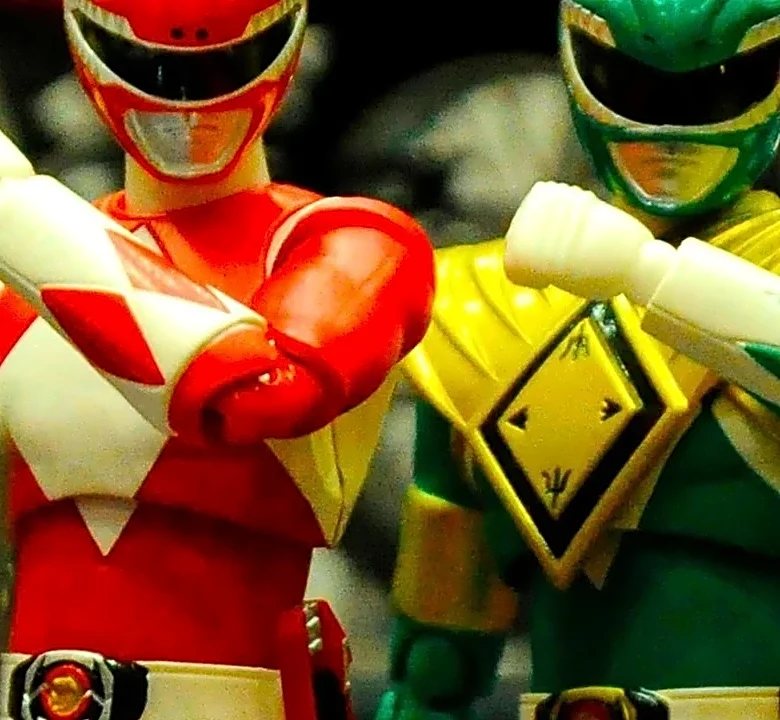
For Generation X, the so-called "latchkey kids" who grew up on a diet of franchise sequels and MTV, Comic-Con began to shift. This was the era before "nerd culture" was cool. Glam wasn't yet about personal celebrity, but it was starting to be about proximity to it. Hollywood's presence grew, and the thrill was seeing an actor from a beloved, but not yet gargantuan, film or TV show. Fandoms were still tribal, centered on specific media like Star Trek or independent comics. Cosplay was becoming more common and intricate, but it was still a passion project driven by craftsmanship, not a performance for an unseen digital audience. The glam for a Gen Xer was owning a rare artifact, getting an autograph, or having a shared experience that felt just on the cusp of breaking into the mainstream, but still belonged to the fans.
Millennials: The Rise of Stardom and the Perfect Cosplay
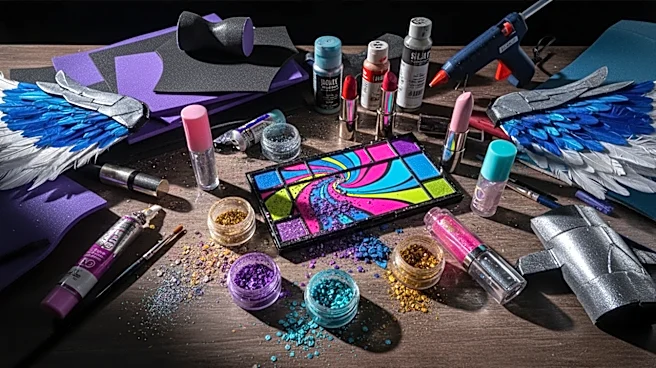
Then came the internet and the Marvel Cinematic Universe, and everything changed. For Millennials, the idea of Comic-Con glam became inextricably linked to the mainstreaming of geek culture. Suddenly, being a nerd was popular. The convention halls swelled with over 130,000 people, and Hollywood blockbusters became the main event. Glam split into two distinct paths. First was the pursuit of celebrity: waiting hours in Hall H for a glimpse of A-list actors, and the ultimate prize—a selfie with a star. Second was the perfection of cosplay. Propelled by online tutorials and social media, creating a screen-accurate costume became a high art form. Glam was the flawless execution of a character, a testament to one's dedication and skill, shared on platforms like Instagram for global validation.
Gen Z: Glam as Content and Identity
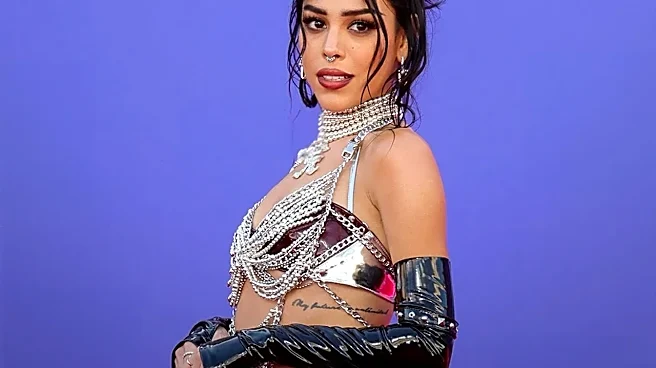
For Gen Z, the digital natives, the floor of Comic-Con is not just a convention—it's a studio. The concept of glam has become deeply personal and performative, fused with the creator economy. Platforms like TikTok have transformed cosplay from a static photo opportunity into a dynamic performance, with trending audio and video challenges. Glam is no longer just about replicating a character; it's about remixing them. Gen Z cosplayers embrace creative interpretations, from gender-bent characters to mashups that reflect their own identities. Success isn't measured just by craftsmanship, but by engagement: views, likes, and follows. For this generation, the most glamorous thing at Comic-Con isn't just wearing the costume—it's creating the content, building a personal brand, and turning their passion into a platform.