








The First Professional Play
Before the first pass is thrown or the first basket is scored, the draft-night outfit is the first professional play an athlete makes. For years, these young men have been known primarily for their on-field stats and combine metrics, often wearing a uniform
that subordinates their identity to a team. The draft is their metamorphosis. The moment they walk that red carpet, they are no longer just a prospect; they are a public figure, a brand, and an entertainment product. The suit, tuxedo, or custom-made creation is their opening statement. It’s a visual declaration of arrival, a way to say, “I belong here,” in a language everyone, from the die-hard fan to the casual observer, can understand. It’s the symbolic shedding of an amateur skin and the first time they are dressing not just for themselves, but for an audience of millions.
A Canvas for Personality and Story
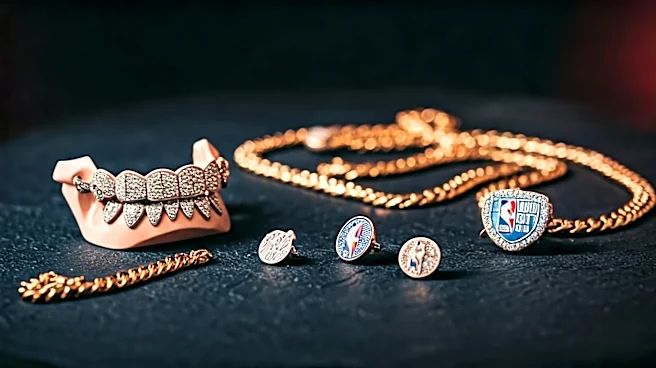
In the structured world of professional sports, genuine expressions of individuality can be rare. The draft-night outfit provides a unique canvas. A flashy suit lining might pay homage to a player’s hometown or alma mater. A piece of jewelry might honor a family member. Ezekiel Elliott’s infamous 2016 crop-top tuxedo shirt was a clever nod to the NCAA’s since-banned rule against his signature on-field look. CeeDee Lamb’s 2020 draft-from-home setup included a suit that mixed tributes to his roots and his new team, the Dallas Cowboys. These choices are rarely accidental. They are curated narratives. Is the player confident and flashy, like Jalen Rose’s iconic 1994 pinstripe suit? Or are they classic and understated, projecting quiet competence? The fit tells a story, offering fans a glimpse into the personality of the player they’re about to invest their hopes in for the next decade.
The Social Media Colosseum
None of this would be the spectacle it is without social media. In the pre-internet era, a bold fashion choice might have earned a mention from a commentator, but the conversation ended there. Today, it’s just the beginning. The instant an athlete appears on screen, thousands of self-appointed fashion critics on Twitter, Instagram, and TikTok go to work. The outfit is screenshotted, zoomed in on, and turned into a meme within minutes. The discourse is swift and merciless. Is the suit too big? Is the color too loud? Is that a chain or a leash? This real-time, participatory roast-and-toast session is part of the modern fan experience. It’s a low-stakes way for fans to engage with the draft beyond just analyzing a player’s 40-yard-dash time. It democratizes commentary, turning every viewer with a smartphone into a Joan Rivers for the digital age.
The Business of the Brand
Ultimately, the intense focus on draft-night fashion is a sign of the modern athlete’s evolution into a full-fledged celebrity entrepreneur. A memorable look isn’t just about looking good; it’s good business. A player who shows up with a distinct, confident style signals marketability. It suggests an understanding of branding that extends beyond the field. Luxury brands notice. Endorsement opportunities follow. This is why many top prospects now work with professional stylists who spend months planning the look. They understand that a viral fashion moment—good or bad—can raise a player’s profile exponentially. LeBron James’s all-white suit in 2003 was a harbinger of the global icon he would become. Today’s players are keenly aware that their draft-night fit isn’t just an outfit—it’s the first asset in their personal brand portfolio.