






1. The Shoulders Above All
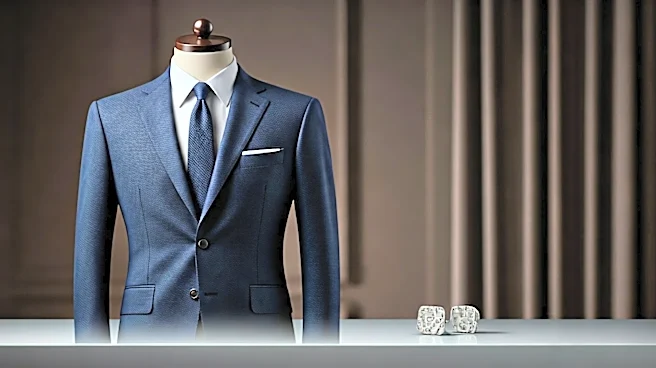
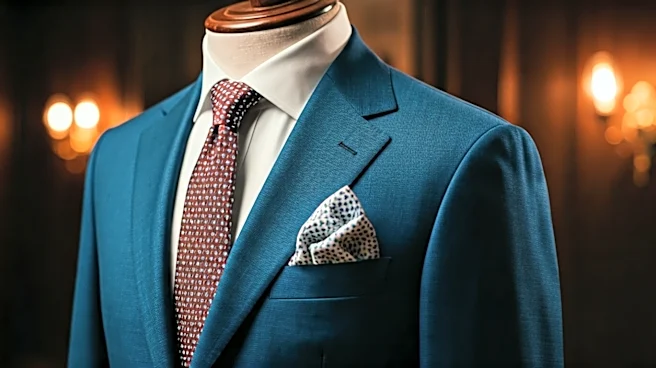
Forget the flashy color or the designer label. The first thing a trained eye lands on is the shoulder of the jacket. It’s the foundation of the entire silhouette. A perfect shoulder fit means the seam sits directly on the edge of the shoulder bone, creating
a clean, strong line. You’ll see no puckering, no divots, and definitely no 1990s-style padding that makes a player look like he’s wearing his dad’s blazer. If the shoulder hangs off the body, the rest of the suit is compromised. If it’s too tight, it creates an unflattering pull across the chest. When the shoulders are right, everything else has a fighting chance.
2. The Trouser Break (or Lack Thereof)
The single most common mistake on any red carpet is the trouser break—the small fold of fabric that occurs where the bottom of the pants meets the shoe. A stylist is looking for intentionality. Is the player going for a modern, no-break look where the hem just kisses the top of the shoe? Or a classic, slight break with one subtle horizontal crease? What they dread seeing is the “puddle”: a mess of excess fabric pooling around the ankles. It instantly makes an expensive, custom suit look sloppy and ill-fitting. It’s the sartorial equivalent of an airball—a completely unforced error that was easily preventable with good tailoring.
3. A Quarter-Inch of Shirt Cuff
This is a small detail that signals big sophistication. A well-tailored jacket sleeve should be short enough to reveal about a quarter to a half-inch of the shirt cuff beneath it. This detail accomplishes two things: it creates a clean, finished transition from the suit to the hand, and it offers a chance to show off a great watch or a pair of cufflinks. When the jacket sleeve hides the shirt completely, it visually shortens the arms and makes the entire garment look like a rental. Stylists look for that sliver of white or patterned fabric as a sign that the player—or his style advisor—knows the rules.
4. Fabric That Tells a Story
Once the fit is assessed, a stylist’s attention turns to the material. Is it a classic, four-season wool in a sharp navy or charcoal? Or is it something more daring? We’ve seen everything from shimmering velvet and bold jacquards to custom-printed silks. The choice of fabric communicates personality. A shiny material might signal a player with flair and confidence, while a textured tweed or linen suggests a more understated, classic sensibility. The most exciting element is often hidden: the suit lining. Players use this space for personal storytelling, lining their jackets with family photos, hometown maps, or symbols of their journey. A stylist always wants to know what’s on the inside.
5. The Personalization Layer
A suit provides the canvas; the accessories paint the picture. This is where a player’s individuality truly shines. A stylist scans for the thoughtful details that elevate an outfit from good to iconic. Is there a lapel pin representing his college or a cause he believes in? Is the watch a statement piece that’s been carefully selected, or just a flashy afterthought? Even the choice of shoes—polished oxfords, sleek loafers, or high-fashion sneakers—changes the entire vibe of the look. These final touches are what make the outfit memorable and uniquely personal. They show that the player isn’t just wearing a suit; he’s wearing a story about who he is and where he’s going.