


First, Know the Difference: Fad vs. Trend
Before you can spot a winner, it's crucial to understand the lingo. A fad is an item or style that becomes intensely popular very quickly and then dies out just as fast. Think of micro-trends that explode on social media; they often have a lifespan of just a few
months. A trend, on the other hand, has a much longer and more stable life cycle. It builds momentum more gradually, sticks around for a few years, and often reflects a broader shift in culture or lifestyle. While fads are driven by novelty, trends have the potential to become modern classics. The goal isn't to avoid trends entirely, but to invest in the ones with staying power.
The Versatility Test: Can You Style It in Multiple Ways?
A major sign of a lasting trend is its versatility. Can the piece be worn in different seasons and for various occasions? Timeless items like a tailored blazer, a simple silk slip dress, or a classic trench coat work because they can be dressed up or down. A true trend can integrate seamlessly into your existing wardrobe, pairing with classic staples you already own. If a piece only works with other equally trendy items or feels like a costume for a very specific event, it’s likely a fad. Before you buy, mentally style the item with at least three other pieces in your closet. If you can’t, it’s a red flag.
The History Test: Does It Have Roots?
Fashion is cyclical. Many of today's biggest trends are reinterpretations of styles from past decades. Think of the resurgence of high-waisted jeans, wide-leg trousers, or ballet flats. These styles have longevity because they've proven their appeal across different eras. When a new trend emerges, ask yourself if you’ve seen a version of it before. If it has historical precedent, it has a much better chance of sticking around than something that seems to have appeared out of thin air. A style with roots is an evolution, not a random mutation.
The Quality Test: Is It About the Craftsmanship or the Gimmick?
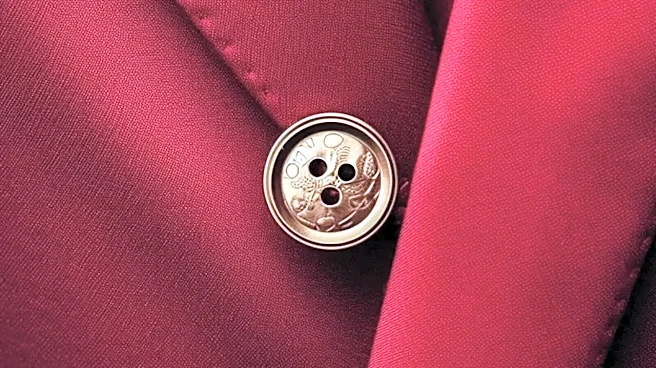
Lasting trends are often tied to quality materials and classic construction, while fads are frequently associated with novelty details and cheaper, synthetic fabrics. A trend built around a durable fabric like high-quality cotton, wool, or well-made denim has a better chance of survival. Fads, in contrast, often rely on a gimmick—an extreme cutout, an unusual pattern, or a material that won't withstand a few washes. Pay attention to the garment's construction. Are the seams neat and double-stitched? Does the fabric feel substantial? A piece designed to last physically is more likely to last stylistically.
The Saturation Check: Who Is Wearing It?
The fashion cycle typically moves from introduction (seen on runways or innovators) to rise (worn by influencers and early adopters), peak (available everywhere), decline, and obsolescence. A trend with staying power is adopted by a wide range of people and demographics, not just one niche group. However, if a style reaches peak saturation almost overnight and is suddenly available in every fast-fashion store, it may be on the verge of decline. By the time a trend is everywhere, its cultural currency is diminishing. The sweet spot for investing is during the "rise" phase, when it's gaining momentum but isn't yet overexposed.