




It All Starts With the Weave
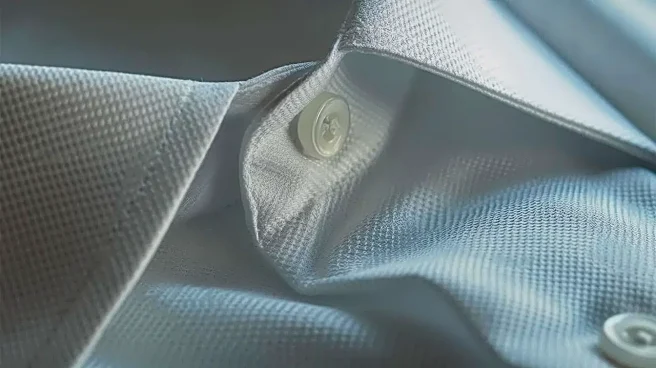
The fundamental difference between denim and chambray isn't color or even weight—it's the weave. Denim is made using a twill weave, where the colored warp (lengthwise) thread passes over two or more white weft (crosswise) threads before going under one.
This creates a distinct diagonal ribbing on the fabric's surface that you can see and feel. It’s a dense, durable construction. Chambray, on the other hand, uses a simple plain weave: a straightforward one-over, one-under pattern, like a basic grid. This construction results in a fabric that is the same on both sides, unlike denim, which is typically lighter on the inside. Think of it like this: denim is built like a sturdy basket, while chambray is woven like a simple, flat cotton sheet.
Weight, Drape, and Breathability
That difference in weave directly impacts how the fabric feels and performs. The twill weave makes denim inherently heavier, stiffer, and more structured. It’s built for durability, which is why it’s the go-to for rugged items like jeans and jackets. A denim shirt has body; it wants to hold its own shape. Chambray’s plain weave results in a lighter, softer, and more breathable fabric. It has a more fluid drape, meaning it hangs and moves with you rather than standing on its own. This airiness makes chambray an ideal choice for warmer weather, while denim’s density helps it retain heat.
The Real-World Jacket Test
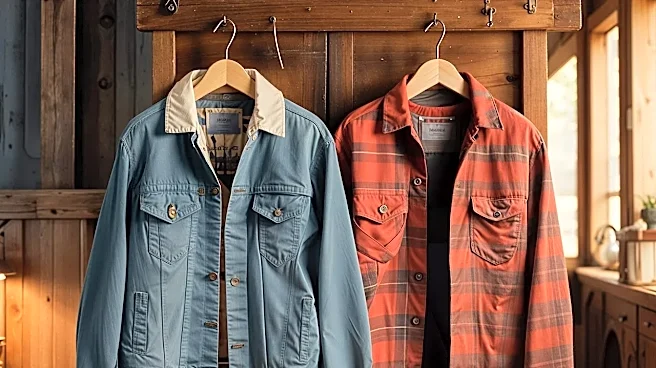
This is where the headline's promise comes to life. When you slide a jacket over a chambray shirt, its lightweight nature and soft drape allow it to lay flat against your body. It adds a layer of color and texture without creating uncomfortable bulk, making it the perfect companion for a slim-fit blazer, a fine-gauge sweater, or a fitted leather jacket. It tucks in cleanly and the sleeves won't fight for space inside the jacket's arms. A denim shirt under that same fitted blazer is a different story. Its inherent stiffness and weight create bunching at the elbows, shoulders, and waist. The fabric is simply too substantial to be confined without protest. A denim shirt doesn't want to be a discreet inner layer; it performs better as a rugged mid-layer or a light overshirt itself.
The Right Shirt for the Right Jacket
This doesn't mean a denim shirt can't be layered. It just demands a different kind of partner. Because of its structure and workwear roots, a denim shirt pairs perfectly with more substantial and relaxed outerwear. Think chore coats, field jackets, unlined chore coats, or even a heavier wool overshirt. In these cases, the denim shirt's structure is an asset, adding a robust middle layer that complements the ruggedness of the jacket. The rule of thumb is simple: for tailored, slim, or formal jackets, reach for the smooth, accommodating chambray. For casual, rugged, or workwear-inspired jackets, the sturdy and substantial denim shirt is your best bet.