




The Global Pop Song Dilemma
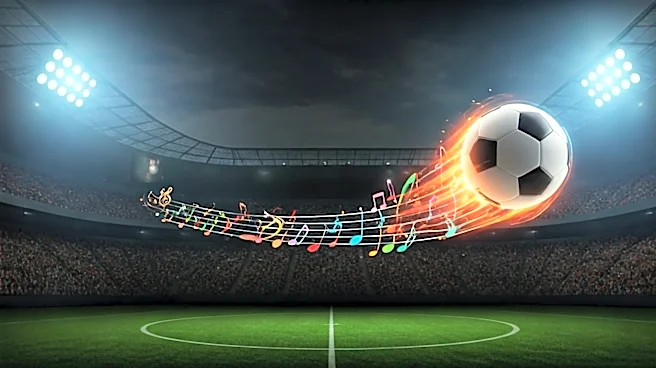
Creating a song for a global tournament is a nearly impossible task. The goal is to produce a track that unites billions, offends no one, and captures the spirit of both the host nation and the world. This often results in music by committee—a blend of global pop
sounds, vague uplifting lyrics about unity, and a catchy but unsophisticated chorus. The 2014 World Cup song, "We Are One (Ole Ola)" by Pitbull, Jennifer Lopez, and Claudia Leitte, faced initial backlash for exactly this, with critics in Brazil feeling it was a pile of clichés that failed to represent the host nation's rich musical heritage. The song isn't designed to be a complex work of art; it's designed for mass appeal, which often presents as cheesy on first listen.
The Power of Repetition
Before the first match even kicks off, that song is everywhere. It’s in TV commercials, highlight packages, stadium sound systems, and video game menus. This is the “mere-exposure effect” in action—a psychological phenomenon where people develop a preference for things simply because they are familiar with them. That initial skepticism starts to wear down through brute force repetition. You may not have chosen to listen to it, but by the end of the first week, you know the chorus by heart. Its predictability, once a weakness, becomes a strength, as our brains are rewarded by correctly anticipating the familiar rhythm and melody. The song worms its way into your subconscious, becoming the default soundtrack to the entire event.
From Song to Emotional Anchor
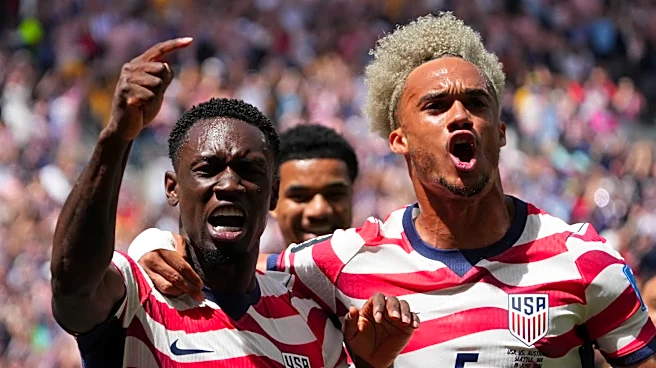
This is where the magic truly happens. The song stops being just a song and starts becoming a vessel for memory. When it plays over a montage of a stunning last-minute goal, a dramatic penalty shootout, or the unbridled joy of fans celebrating in the streets, it becomes emotionally supercharged. The brain forges a powerful link between the music and the intense feelings of the moment—the hope, the despair, the elation. Singing it in a crowd or chanting along with thousands of others creates a physiological bond, synchronizing heart rates and releasing endorphins that create a sense of unity and collective identity. The song is no longer a cheesy pop track; it's the official anthem of your own personal experience.
The Nostalgia Time Capsule
Years later, when the song randomly plays, it acts as an instant time machine. Shakira’s “Waka Waka” isn’t just a song from 2010; for millions, it is the 2010 World Cup in South Africa. Its enduring popularity—becoming one of the most-viewed music videos of all time—is a testament to this effect. The initial criticism of the song fades away, replaced by a powerful wave of nostalgia for the summer, the games, the players, and the moments that defined that specific tournament. Even songs that were met with mixed or negative reviews at first, like K'Naan's "Wavin' Flag," eventually become cherished artifacts because they are inextricably linked to a global shared experience. The song hasn’t changed, but its meaning has been forever deepened by the memories it holds.