
1. Underestimating the Environment
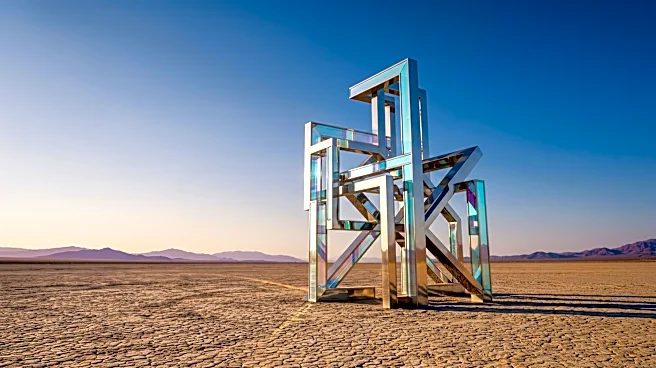
New creators intellectually understand that the Black Rock Desert is harsh, but they don't viscerally grasp what that means for project management. The fine, alkaline dust gets into everything: tools jam, electronics fail, and tempers flare. High winds
can appear suddenly, turning an unsecured structure into a dangerous projectile. Simple tasks like finding a specific bolt or cutting a piece of wood can take three times longer than they would in a workshop. Don't just plan for the project; plan for the project on the playa. This means pre-assembling as much as possible, bringing redundant tools, and building weather contingencies and extra time into every single step of your on-site build schedule.
2. The 'Radical Self-Reliance' Hero Complex
Radical Self-Reliance is a core principle, but for creators, it can curdle into a destructive solo mindset. Trying to design, fund, build, transport, and manage a project alone is a recipe for disaster. The most successful projects embrace another principle: Communal Effort. Build a reliable team and, more importantly, learn to delegate real responsibility. Appoint dedicated leads for key areas like Leave No Trace, build safety, and volunteer coordination. Trusting your team not only frees you from doing everything yourself but also gives others a sense of ownership and purpose. A project lead's job isn't to be the best builder; it's to be the best leader.
3. Budgeting on Good Vibes Alone
Your art is priceless, but the materials, transport, and infrastructure to support it are most certainly not. A common mistake is creating a budget that only covers the big-ticket items, completely missing the hundreds of small costs that add up. Think about the hidden expenses: renting a larger truck than anticipated, last-minute trips for more hardware, feeding your build crew during long workdays, and the cost of storage or disposal after the event. Always build a significant contingency—at least 20-30%—into your budget. Hope for the best, but budget for reality. A well-funded project reduces stress for everyone involved.
4. No Firm 'Pencils Down' Date
Without a hard deadline to stop working, the work will expand to fill all available time. Many first-time creators find themselves hammering, wiring, or painting right up until the Man burns, or even after. They are so consumed by finishing the project that they never actually get to experience it or anything else Black Rock City has to offer. Institute a mandatory "pencils down" rule for your team. Pick a day and time—say, Wednesday of event week—when all major construction stops. What's done is done. This forces you to prioritize and creates crucial space to transition from being a producer to being a participant. Remember, the goal is to share your work, and that includes you sharing in the experience.
5. Forgetting the 'Tear Down' in Your Plan
The energy and excitement are high during the build, but the mood is very different during breakdown. Everyone is tired, dusty, and ready to go home. This is precisely when the crucial work of Leave No Trace (LNT) happens, and it is often massively underestimated. An LNT plan is not just about picking up trash; it’s about a complete and total restoration of your campsite or art plot to its original desert state. This includes packing out every single scrap of wood, every loose screw, and all your camp's greywater. Smart creators designate a dedicated LNT Lead from the very beginning and schedule tear-down shifts just as they do build shifts. Failing to plan for tear-down is how camps end up with a bad reputation and a red mark on the official MOOP Map.
6. Sacrificing Your Own Survival
This is the most personal and pervasive mistake. In the frantic rush to finish the project, you forget to take care of yourself. You skip meals, forget to drink water, and pull all-nighters, thinking you'll rest once you're on the playa. But the playa itself demands a high level of self-care just to function safely. Arriving already depleted is a surefire way to have a miserable, and potentially dangerous, Burn. Your well-being is the most important piece of infrastructure for your project. If the project lead crashes, the whole project falters. Schedule breaks, stay hydrated, eat real food, and get some sleep. Your art will be better for it, and more importantly, you'll actually be present enough to enjoy it.