
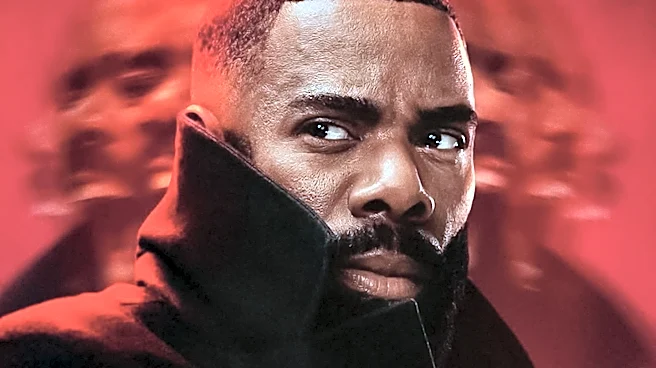
So, What Is the Fan-Edit Effect?
At its core, the 'fan-edit effect' is when user-generated video clips, often made on TikTok or Instagram, significantly boost awareness and anticipation for a TV show or movie. Creators take existing footage—trailers, scenes, or even press interviews—and
re-edit them into short, punchy videos. Set to trending audio or evocative music, these edits are designed to distill a show's 'vibe' into a highly shareable format. Unlike official marketing, which sells a plot, fan edits often sell a feeling, a character dynamic, or an aesthetic. One viral edit focusing on the chemistry between two characters can do more to hook a potential viewer than a dozen billboards. It's word-of-mouth for the digital age, powered by algorithms that reward engaging content.
The New Town Square: TikTok and Instagram
If a show drops and no one edits it on TikTok, did it even premiere? That's the question studios are increasingly facing. Platforms like TikTok have become the new discovery engine for entertainment. Research has shown that a huge percentage of users get viewing recommendations from the platform. For Gen Z in particular, a compelling fan edit is a primary reason to check out a new series. This pipeline works for new shows and can even resurrect older ones, breathing new life into franchises years after they've concluded. A viral edit for the movie Creed reportedly led to a viewership spike of nearly 30 percent. For new September premieres, from dramas like Apple TV's Brothers to Netflix's revival A Different World, the battle for buzz is happening on these short-form video apps just as much as on television itself.
It's Not Just About Romance
While many of the most popular edits focus on romantic pairings—known in fandom as 'shipping'—the effect is much broader. Fan editors are skilled at capturing a specific mood that official marketing can miss. An edit might focus on a single character's powerful moments, the stunning cinematography of a fantasy world, or the sharp humor in a new comedy. These videos essentially function as micro-trailers tailored to niche audiences. For example, a horror series like the upcoming Carrie adaptation might find a new audience through edits that highlight its dark, atmospheric aesthetic, appealing to fans of that specific subgenre online. This allows a single show to be marketed in dozens of different ways, all by the fans themselves.
A Complicated Relationship with Studios
The entertainment industry's reaction to this trend is complex. On one hand, it's free, incredibly effective marketing that can create a dedicated fanbase before a show is even released. On the other, it involves the unauthorized use of copyrighted material. For years, this existed in a legal gray area. Recently, however, some studios have begun to lean in. Lionsgate, for example, has been known to work with fan creators, recognizing that they are the most authentic advertisers for their own communities. In a notable case, a fan editor known for her viral clips of the show Heated Rivalry was hired by HBO to create official promotional content, signaling a major shift from tolerance to active recruitment. This demonstrates a growing understanding in Hollywood that fans aren't just consumers; they are co-creators of a show's cultural footprint.