





The All-Important Pilot Episode
For a brand-new series, the first episode—the “pilot”—is its lifeblood. This single episode is often filmed in the winter or early spring, months before a potential fall debut. It serves as a proof of concept, a test run to convince network executives
to invest in a full season. The pilot is a high-stakes gamble; it needs to establish the world, introduce the characters, and hook an audience (and the network) from the jump. Because it’s shot in isolation from a full season order, everything from sets to even some cast members might change by the time the second episode is filmed. This time gap is why the pilot can sometimes feel distinct from the rest of the season that follows. Many pilots are made, but only a fraction get picked up to become a full series.
Selling the Sizzle to Advertisers
Television, especially on broadcast networks, is a business driven by advertising. Long before a show premieres in September, networks need to sell commercial time to brands. This happens during a series of high-profile events in May known as the “upfronts.” At these presentations in New York City, networks showcase their upcoming fall schedules to major advertisers, complete with celebrity appearances and flashy trailers. To have a compelling trailer or a full episode to screen, the premiere needs to be finished. This means a new show’s pilot, or even a returning show's ambitious season opener, is often in the can by late spring to secure the ad revenue that will fund the entire season. It's a massive, months-long bet on what audiences will want to watch.
Setting the Creative Blueprint
Beyond the business demands, filming a premiere early gives the creative team a crucial head start. This first episode establishes the visual tone, pacing, and character dynamics for the entire season ahead. For a returning show, the premiere might involve a significant plot reset, a new location, or a different style that needs to be perfected before the grueling pace of weekly production begins. Once a series is in full swing, the schedule is relentless, with a new episode often being shot every seven to nine days while others are simultaneously being written and edited. Shooting the premiere in advance allows directors, cinematographers, and designers to create a clear template. This ensures consistency and quality, preventing the team from having to make major creative decisions on the fly.
When Logistics Call the Shots
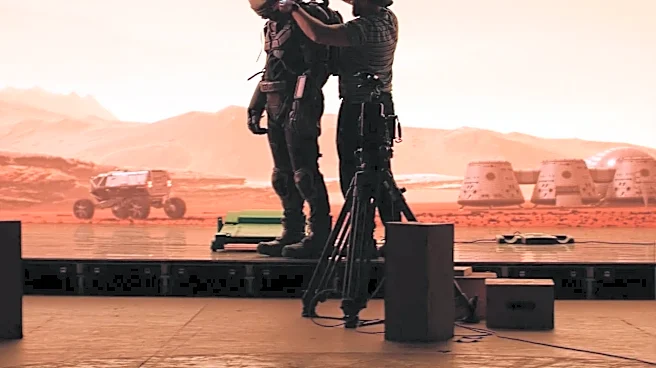
Sometimes, the reason for an early shoot is purely practical. A premiere episode might require filming at a specific location that is only accessible during a certain time of year due to weather or other events. For example, a show set in a ski town needs snow, which means shooting in winter, even if the series airs in the fall. Actor availability is another huge factor. A-list stars often have packed schedules with film roles and other commitments. Securing them for a pivotal premiere episode may require shooting around their limited windows of availability, months before the rest of the cast and crew assembles for the season. Similarly, episodes with complex stunts, visual effects, or large-scale action sequences require a much longer post-production timeline, necessitating an early start to get everything just right for the big debut.