








The Architecture of Intimidation
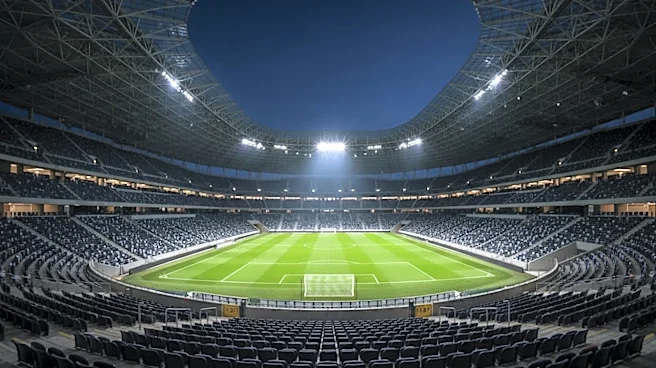
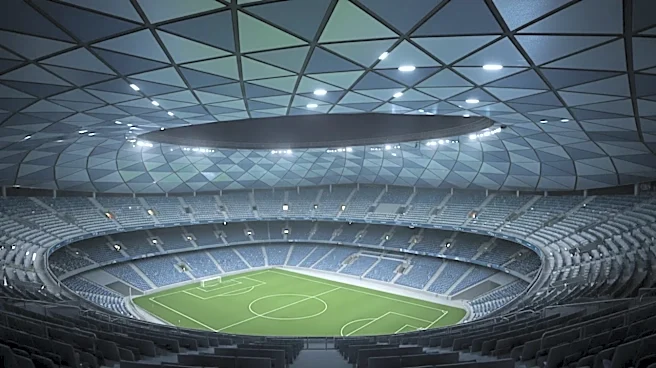
Stadium acoustics are not an accident; they are engineered. The bowl-like shape of most modern venues is designed to reflect sound back toward the field, amplifying every cheer and chant. Materials like steel and concrete, combined with partial roofing,
can trap sound waves, making the noise more intense and sustained. This isn't just about volume. Architects manipulate reverberation—how long a sound hangs in the air—to create a wall of noise that feels oppressive to visiting teams. While older, open-air stadiums let sound escape, many new designs are meticulously modeled to keep the energy inside, turning the crowd into a tangible presence in the game.
The Psychology of a Roaring Crowd
That constant, deafening roar does more than just make it hard to hear; it actively disrupts on-field performance. For an attacking team, the most basic communication—a shout between a midfielder and a winger, a goalkeeper’s instruction to his defense—is often completely lost. This breakdown forces teams to rely on non-verbal cues, which are slower and less precise, leading to hesitation and mistakes. Studies have shown that negative crowd noise can directly impact player accuracy in precision tasks like penalty kicks. It also creates immense psychological pressure, increasing anxiety and making it harder for players to regulate their emotions and focus. This is the “12th man” effect in action: a crowd can genuinely disrupt an opponent's tactical coordination.
The 2026 North American Stadium Factor
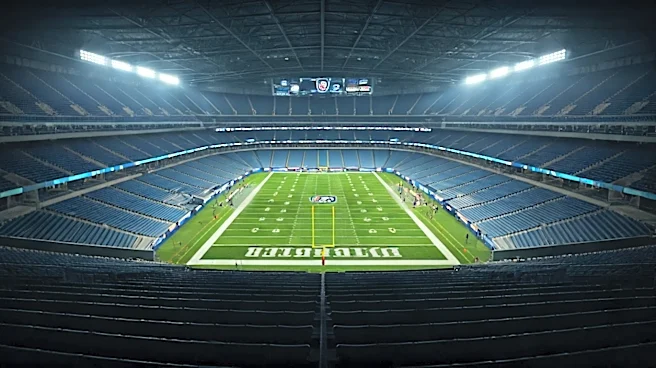
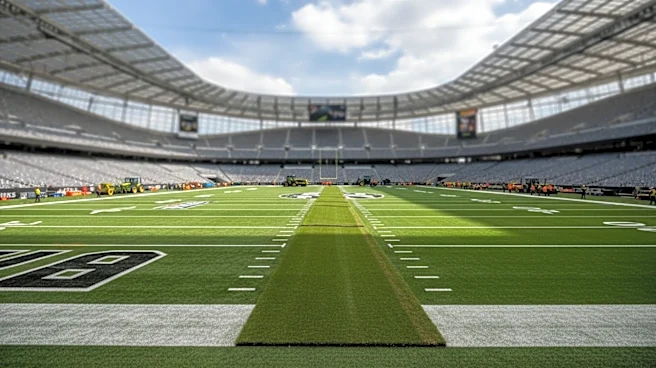
This year's tournament in North America presents a unique acoustic landscape. Many venues, like AT&T Stadium in Dallas and MetLife Stadium in New Jersey, are primarily NFL stadiums. These arenas are often designed acoustically to maximize noise during the stop-and-start rhythm of American football, creating an overwhelming cacophony to disrupt the opposing offense's snap count. AT&T Stadium, with its retractable roof, can function as a fully enclosed environment, trapping sound in a way few traditional, open-air European soccer cathedrals can. MetLife, the site of the final, is an 82,500-seat open-air giant, but its sheer scale and bowl design still create an intimidating environment. How teams from different footballing cultures adapt to these specifically American soundscapes could be a deciding factor in the knockout stages.
Can Teams Counter the Sound?
Teams are not powerless against the noise. Many elite clubs and national squads now train with simulated crowd noise to acclimate players to the pressure and communication challenges. The goal is to help players develop coping mechanisms, such as focusing inward on breathing or relying on practiced visual cues, to block out external distractions. An effective strategy on the pitch is to silence the crowd by dominating possession and scoring early, which can deflate the home-field advantage and turn a deafening roar into a nervous murmur. In a tournament of fine margins, the teams that have prepared not just tactically, but psychologically, for the unique acoustic warfare of each stadium will have a significant edge. The ability to stay composed and communicate under auditory siege is as crucial as any skill on the ball.