






An Origin Born of Necessity
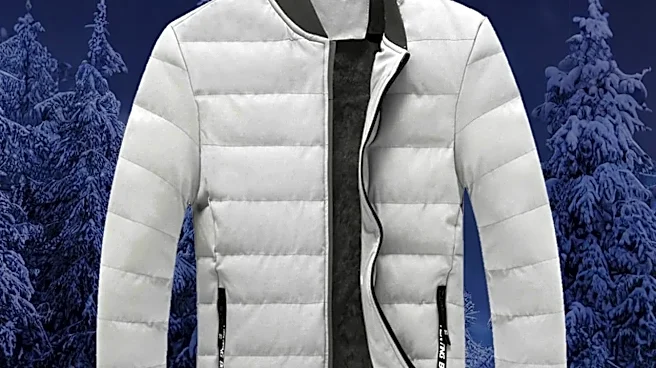
Like many enduring American style staples, the puffer jacket wasn't born in a Parisian atelier but from a brush with death. In the 1930s, outdoorsman Eddie Bauer nearly died of hypothermia during a fishing trip in Washington when his wool coat became
waterlogged and froze. Vowing to create something better, he designed a quilted jacket insulated with goose down, patenting his 'Skyliner' jacket in 1940. For decades, its identity was tied purely to function—a tool for mountaineers and soldiers. But fashion had other ideas. Designer Norma Kamali famously conceived of her iconic 'Sleeping Bag Coat' in 1973 during a chilly late-night run from her tent on a post-divorce camping trip. Draping her sleeping bag around her shoulders for warmth, she had an epiphany that brought the puffer's voluminous comfort squarely into the world of high fashion.
Fashion's Great Equalizer
Perhaps no other single garment is worn by such a wide cross-section of Americans. Its appeal is radically democratic. From rappers in the ‘90s who turned it into a symbol of streetwear status to tech billionaires, from suburban parents at a soccer game to downtown artists, the puffer bridges gaps in class, age, and geography. Part of this universal appeal lies in its evolution toward inclusivity. The market has exploded with styles designed to flatter different figures. Longer, streamlined coats create a lean look for those who carry weight around their middle, while cropped styles can visually lengthen the legs and balance proportions for pear or petite shapes. Belted versions help define an hourglass waist, and jackets with vertical quilting or side panels offer a slimming effect. The idea that a bulky coat could be unflattering has been challenged by designers who now use proportion and structure to make the puffer work for, not against, the wearer's body.
The New Definition of Dressed
The puffer's quiet takeover signals a fundamental shift in what it means to be 'well-dressed' in America today. Formality has been steadily giving way to practicality and comfort. The puffer jacket is the embodiment of this new ideal: style that serves a purpose. It's warm, lightweight, and versatile, easily transitioning from a commute to a casual dinner. It pairs just as well with leggings and sneakers as it does with tailored trousers and boots. This adaptability is key to its status as a modern staple. It suggests that looking good is no longer about adhering to rigid dress codes but about finding high-quality, functional pieces that fit your life. The puffer isn't a compromise on style for the sake of comfort; it's the confident merger of both.
From Utilitarian to Ubiquitous
Today, the puffer jacket exists at every price point and in every conceivable iteration. Luxury brands like Moncler offer high-sheen, logo-stamped versions that cost thousands, cementing the jacket's place as a luxury good. At the same time, brands like Uniqlo and Orolay provide accessible, stylish, and highly functional options that have become ubiquitous. You can find puffers made from recycled materials, technical waterproof fabrics, and even avant-garde silhouettes that push the boundaries of outerwear. Its journey from a piece of survival gear to a fashion chameleon is remarkable. It has been adopted by subcultures, co-opted by high fashion, and ultimately embraced by the masses as an essential part of the American wardrobe.