



A Flawless Base Is Non-Negotiable
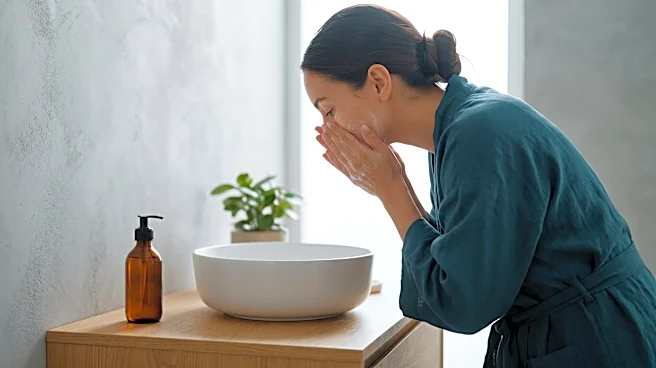
The key to long-lasting makeup begins before a single drop of pigment is applied. Professionals emphasize that proper skin prep is the foundation for everything that follows. In hot, bright conditions, the goal is to control excess oil without dehydrating
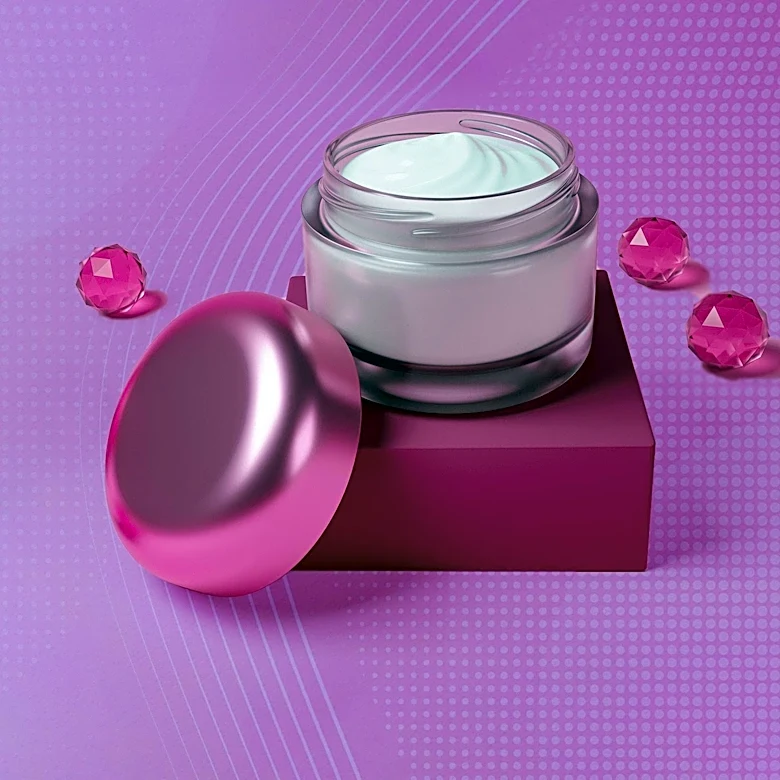
the skin. Makeup artists often start by cleansing and gently exfoliating to create a smooth canvas. Following this, they opt for lightweight, oil-free moisturizers or water-based gels. This provides necessary hydration without adding heavy oils that can cause makeup to separate under heat. The next critical step is primer. A good primer acts as a barrier between your skin and the makeup. For cream products, artists often choose water-based or gripping primers that create a tacky surface for the makeup to adhere to, significantly extending its wear time.
The Art of Sheer, Strategic Layers
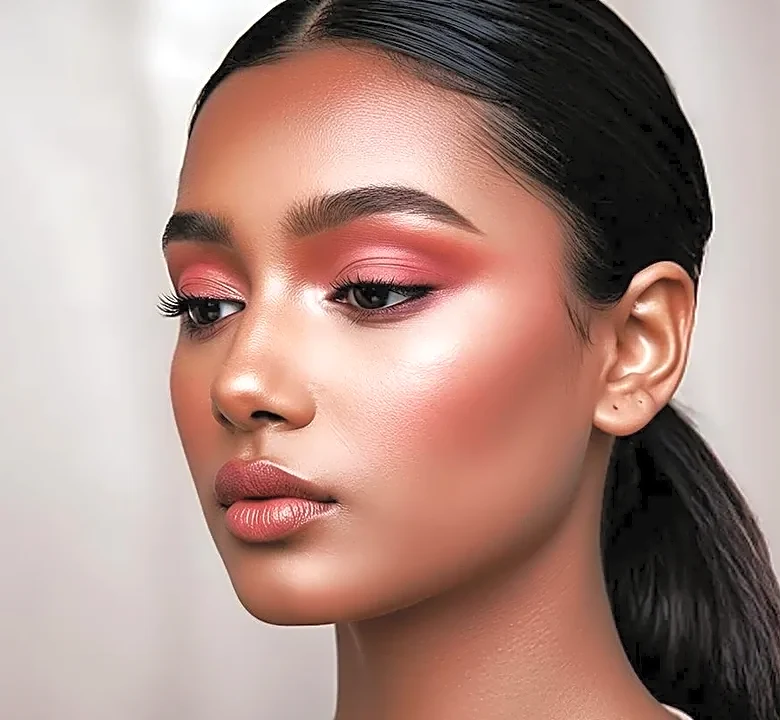
A common mistake is to apply a thick layer of product in an attempt to make it last. However, professionals do the opposite. The mantra on film sets and for red carpet looks is "less is more." Makeup artists build coverage using incredibly thin, sheer layers. Whether it's foundation, blush, or contour, applying cream products thinly and blending them seamlessly into the skin makes them less likely to move or look cakey. This technique allows the makeup to meld with the skin, creating a more natural finish that has greater staying power. Using a damp makeup sponge is a popular method for achieving this effect, as it helps press the product into the skin for a smooth, even finish rather than letting it sit on top.
The Cream-and-Powder 'Sandwich'
One of the most effective pro techniques is layering different textures. Often called a "makeup sandwich," this method locks cream products in place for hours. After applying a cream blush or contour and blending it out, an artist will lightly dust a fine, translucent setting powder over the area. This initial set is crucial. Then, for added longevity and dimension, they may apply a powder blush or bronzer in a corresponding shade directly on top. This cream-powder duo creates a bulletproof finish that stands up to heat and light far better than a cream product on its own. The powder absorbs any excess oil and creates a protective layer over the cream, ensuring the color stays vibrant and doesn't fade.
It's All About the Tools and Application
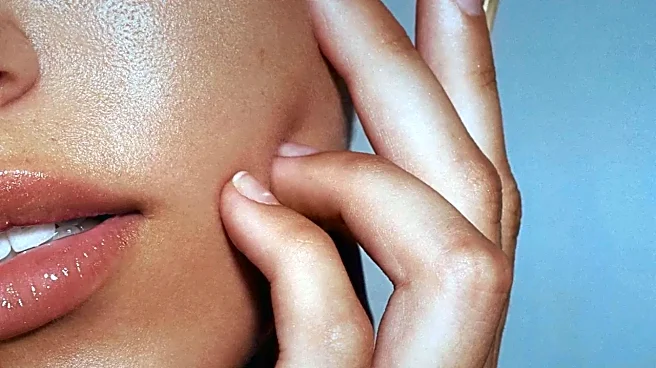
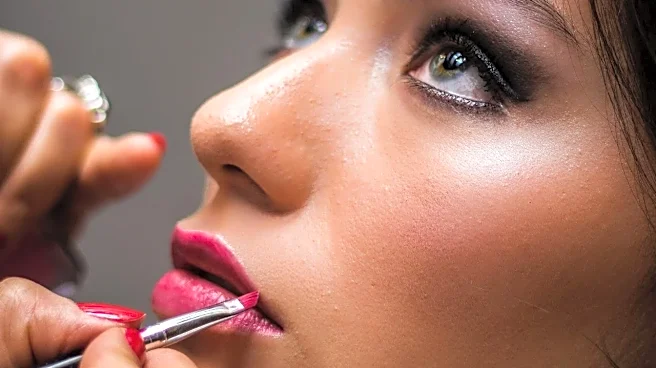
How you apply your makeup is just as important as the products you use. While fingers can be great for warming up a product to help it blend, many artists prefer brushes or sponges under professional conditions. Using your ring finger provides a gentle touch for a natural look, as the warmth helps the product melt into the skin. For more precision and control, stippling brushes are used to press cream products onto the skin without swiping or dragging, which can disturb the foundation underneath. A damp beauty sponge is another go-to tool, used with a bouncing or patting motion to diffuse the product and create a seamless, airbrushed effect. These methods prevent harsh lines and ensure the makeup becomes one with the skin.
Lock It In With a Final Set
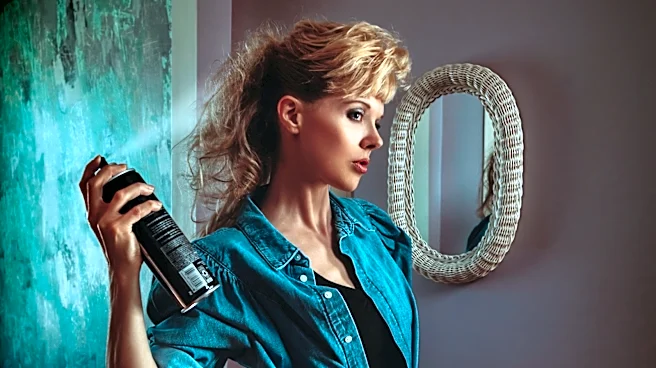
The final step in a melt-proof makeup routine is the setting spray. After all cream and powder products have been applied, a generous misting of a quality setting spray is essential. This step works to fuse all the layers of makeup together—the creams, the powders, and the skin itself—into one cohesive, long-lasting finish. Some artists even spray a little setting spray onto their makeup sponge before blending out foundation or concealer for an extra layer of hold. For particularly oily skin or extreme conditions, a mattifying setting spray can provide additional oil control, ensuring the face stays fresh and shine-free, even after hours under bright, hot lights.