
The Kingdom of Dust and Light
By day, Black Rock City is a world of stark, horizontal clarity. The ground is the playa, a prehistoric lakebed of fine, pale, alkaline dust that covers everything. It is a relentlessly white and tan world under
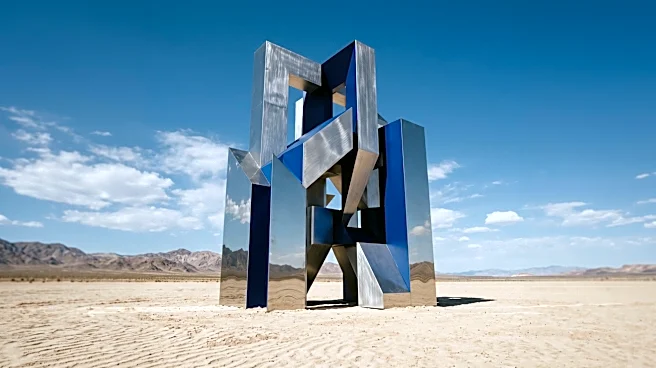
a punishing sun, where the primary challenge is endurance against heat and dehydration. The landscape is so flat and vast that the distant mountains seem to float. Art installations, monumental sculptures of steel and wood, stand like lonely sentinels in the shimmering heat haze. During the day, the city’s bones are laid bare. You can see the grid of its streets, the clusters of camps, and the raw, unadorned ingenuity of a temporary society built for survival. Many participants retreat from the midday blaze, resting in the shade of their camps, creating a rhythm of quiet preservation. It’s a time for workshops, smaller gatherings, and preparing for the night, a canvas waiting for its color.
The Sunset Interlude
The shift does not happen in an instant. It begins with the golden hour, a time revered by all who attend. As the sun dips toward the mountain ranges, the brutal white light softens into hues of orange, pink, and deep purple. The dust in the air, an irritant by day, becomes a canvas for the sky’s spectacular light show. A collective energy shifts across the playa. People emerge from their shelters, often in elaborate costumes, climbing art cars or heading to the open playa to watch the spectacle. A communal howl might ripple through the crowd as the last sliver of sun disappears. It’s a brief, sacred pause—a moment of shared awe that serves as the curtain-raiser for the performance to come.
A City Forged in Light
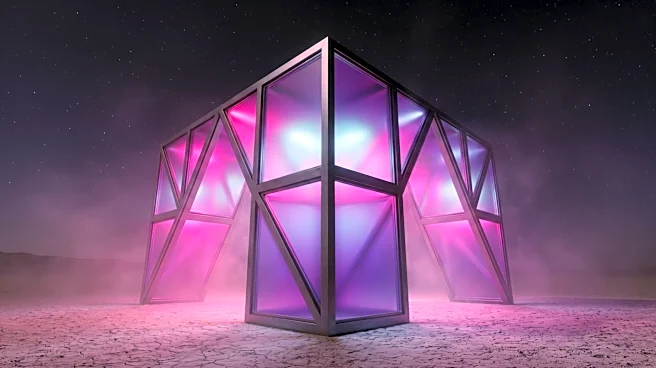
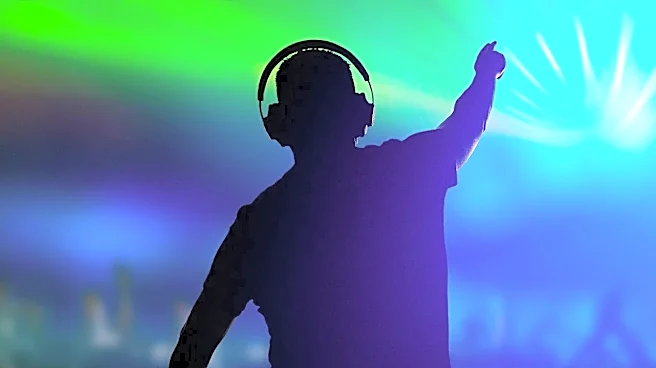
When true darkness falls, the white playa vanishes, and a neon city is born in its place. The change is absolute and disorienting. The horizon disappears, replaced by a 360-degree panorama of light. Art installations that seemed static by day burst into life, pulsing with choreographed LEDs and shooting jets of flame. Giant mutant vehicles—part art, part machine—glide across the desert like glowing sea creatures: a 72-foot shark outlined in red LEDs, a fire-breathing dragon with 60-foot wings, a nomadic lighthouse sweeping its beam across the darkness. Bicycles and people are no longer silhouettes but moving constellations of electroluminescent wire and battery-powered lights, a safety measure that has become a core medium of self-expression. Sound stages and mobile DJ booths on art cars create overlapping zones of music, turning the deep desert into a sprawling, open-air nightclub.
The Technology of the Glow
This nightly metamorphosis is a decentralized, participant-driven spectacle powered by ingenuity and countless batteries. The otherworldly glow isn't the product of a central grid; it's the sum of thousands of individual projects. Modern, high-efficiency LEDs, addressable pixel strips, and programmable controllers are the tools of the new desert artists. Artists and engineers spend months designing and building complex systems that must withstand the corrosive playa dust and extreme temperatures. Elaborate projects like the 2026 installation 'Titanic,' with its dynamic lighting and flame effects, or the UV-reactive fur of the 'Blue Bull' art car, showcase a fusion of high-tech art and rugged engineering. Every burner who straps a string of lights to their backpack or bike contributes to the collective illumination, helping to transform the pitch-black desert into a safe and navigable wonderland. In this city, every citizen is a lighthouse.