
The Blueprint: Nostalgia as Currency
At its core, Hip Hop Honors operates on a simple but powerful principle: respect the architects. For Gen X fans, who came of age during hip-hop's golden era, the show is a masterclass in validation. It prioritizes pioneers like Run-DMC, Public Enemy,
and Queen Latifah, figures who are not just artists but the very foundation of the culture. Unlike modern awards shows driven by recent chart performance, the Honors treats historical significance as its primary metric. This focus on the '80s and '90s provides an essential anchor. It assures older viewers that the culture they built is not forgotten. For Millennials and Gen Z, it's a living history lesson, presenting these foundational acts not as relics, but as the origin point for everything they listen to today. The show effectively turns nostalgia into a shared language, creating a space where a Gen X parent and their Gen Z kid can find themselves nodding their heads to the same classic breakbeat.
Passing the Torch, Not Just the Mic
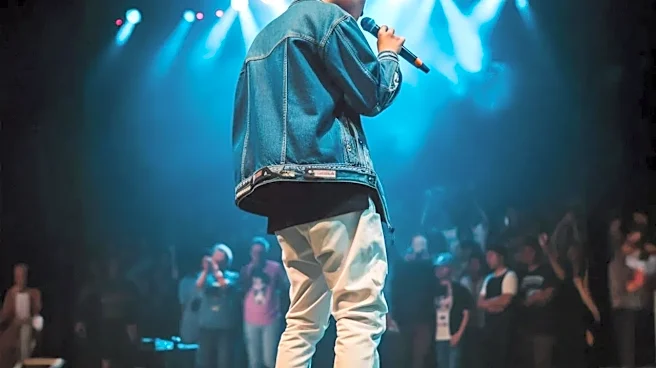
The show's true genius lies in its curation of tribute performances. It’s one thing to give a legend an award; it’s another to have a current star show you why that legend matters. When a contemporary hitmaker performs a classic track, it's a powerful act of translation. For older fans, it’s a sign of respect—a co-sign that the new generation understands and appreciates the foundation. For younger viewers, it’s an accessible entry point. Seeing a favorite artist from their own playlist passionately perform a song by a group like A Tribe Called Quest or Salt-N-Pepa instantly imbues that older music with modern relevance. This isn't just a cover version; it's a dialogue between eras. The format allows a Millennial artist to honor a Gen X icon, effectively demonstrating the direct lineage of influence and bridging the gap by showing how one generation’s sound directly inspired the next.
Contextualizing the New School
While rooted in history, Hip Hop Honors has never been a museum piece. Its structure is designed to connect the dots between the past and the present. The generational tension in hip-hop is real; purists often dismiss newer subgenres like trap or mumble rap as inauthentic. The Honors deftly sidesteps this debate by framing the entire genre as a single, evolving continuum. By placing new and old artists on the same stage, it sends a clear message: it all belongs. The show’s programming implicitly argues that the DNA of Kool Herc and Grandmaster Flash can be found in today’s most experimental artists. This provides crucial context for older fans who might be skeptical of modern rap, helping them hear the echoes of the past in new sounds. For younger fans, it grants their musical tastes a sense of historical weight and belonging within the larger cultural tapestry.
More Than Music: Celebrating the Four Elements
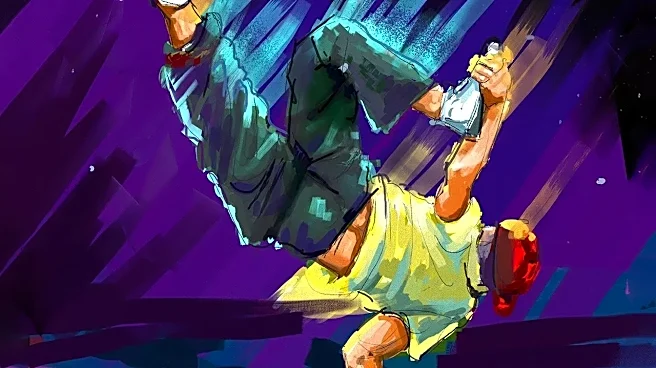
Hip-hop was never just about the rapper. It’s a culture built on four pillars: DJing, MCing, graffiti, and breakdancing. Hip Hop Honors has consistently understood this, often dedicating segments to honoring legendary DJs, b-boy crews, and graffiti artists. This holistic approach is key to its intergenerational appeal. For Gen X, these elements are a non-negotiable part of hip-hop's identity. Recognizing them is a sign of authenticity. For younger fans who may have come to the genre primarily through streaming and social media, it’s an education in the culture’s rich, multifaceted origins. It reinforces that hip-hop is more than just a playlist of songs—it's a creative ecosystem with deep roots. By celebrating the entire culture, not just its most commercial-facing element, the show unites everyone under one big tent, reminding them that they are all part of the same powerful tradition.