

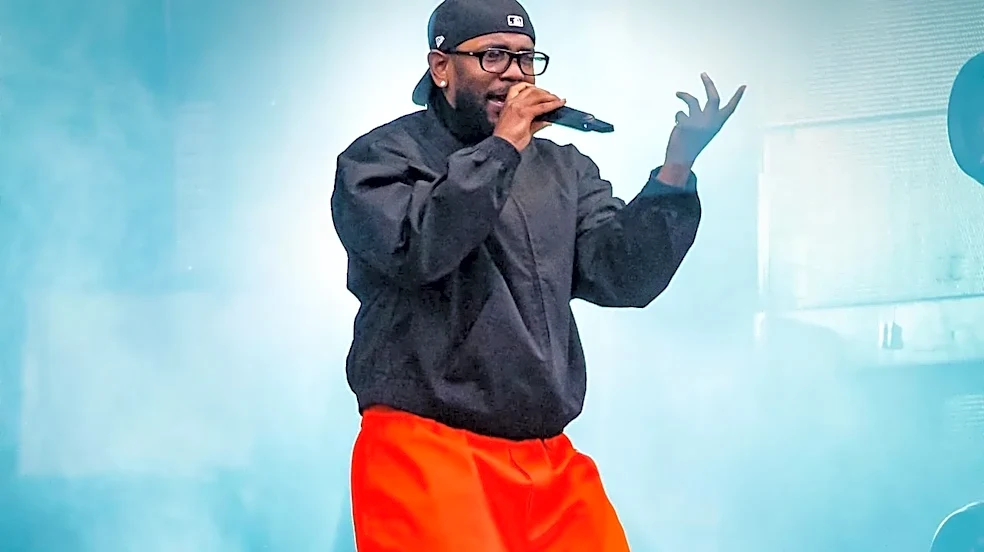

More Than a Carnival
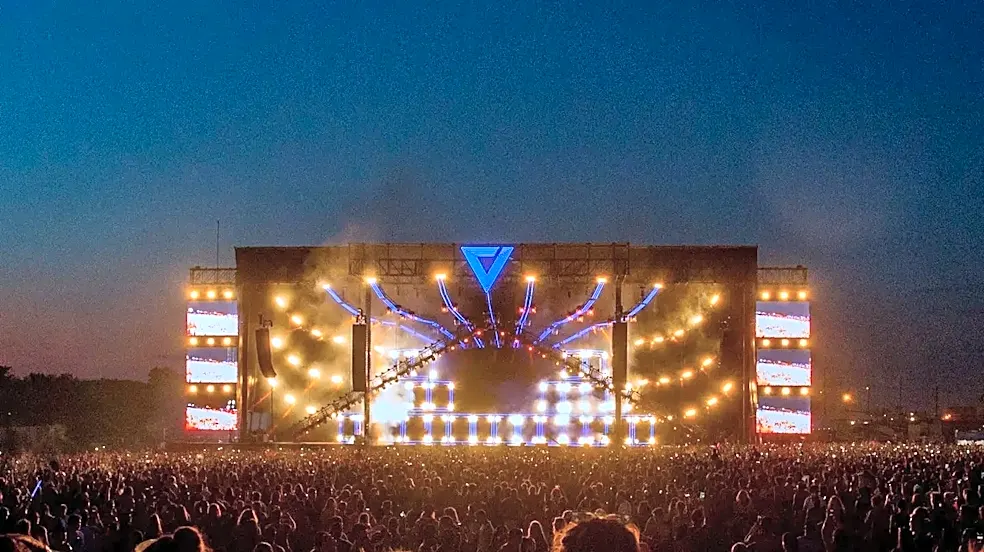
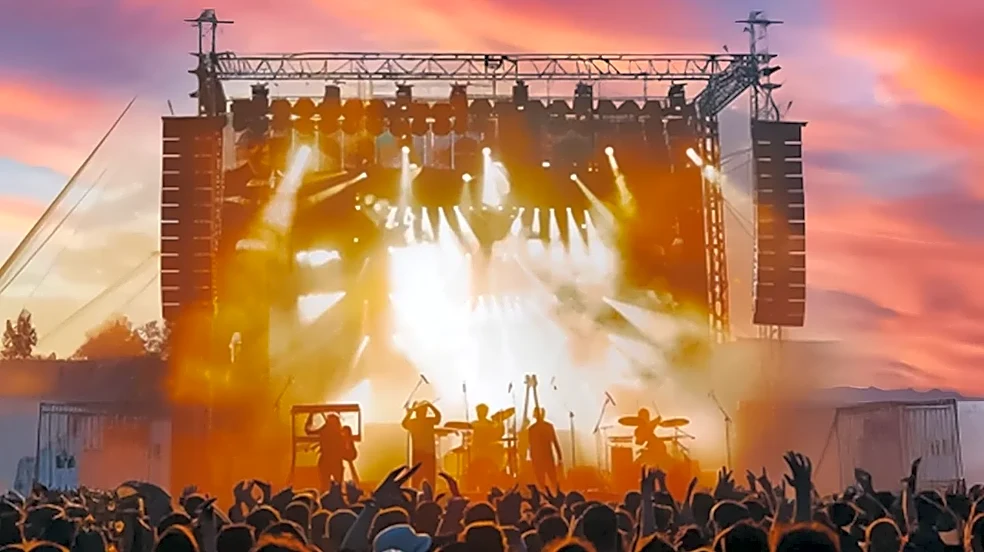
Camp Flog Gnaw has evolved from a chaotic parking lot party into a premier, multi-day festival held at Dodger Stadium. What sets it apart isn't just the carnival rides and games, but the curatorial vision of its founder, Tyler, the Creator. The entire
lineup feels less like a corporate booking strategy and more like a personal playlist, reflecting his own journey from abrasive rapper to genre-fluid artist. This is the fertile ground where alternative R&B—a subgenre characterized by introspection, moody production, and a blend of electronic, soul, and indie sounds—is planted and allowed to flourish. The festival's authentic, artist-first identity creates a space where vibe and vulnerability are valued over pure spectacle.
The Sound of the Undercard
The magic is in the middle of the poster. Look at the 2026 lineup: alongside giants like Future and Tyler himself are acts like Steve Lacy, Syd, Leon Thomas, and Lola Young. Add to that buzzy newcomers such as the dreamy vocalist Nomi and the blues-inflected Gabriel Jacoby, and a clear picture emerges. These artists represent the vanguard of modern R&B. Their sets are often less about high-octane choreography and more about creating an immersive atmosphere. Think of Steve Lacy’s minimalist funk, Syd’s cool and confident serenades, or the soulful traditions channeled by Thee Sacred Souls. These aren't just opening acts; they are artists defining a new wave of soul music, and Camp Flog Gnaw consistently provides them with one of their most receptive and important platforms.
Lost in the Hype Cycle
So if this music is so integral to the festival's DNA, why doesn't it command more of the post-weekend chatter? The modern festival ecosystem is built on 'moments'—viral-ready clips of a massive headliner, a shocking guest appearance, or a pyrotechnic-filled finale. Intimate, emotionally resonant performances are harder to package into a 15-second highlight. The media and fan attention naturally gravitates toward the names at the top of the bill, leaving the nuanced, soul-baring sets of artists like Isaiah Rashad or Earl Sweatshirt as cherished memories for those who were there, but footnotes in the broader narrative. The quiet power of these performances gets drowned out by the noise of spectacle, which does a disservice to the artists and the festival's carefully crafted identity.
A Crucial Incubator
To overlook these sets is to misunderstand Camp Flog Gnaw's cultural function. It’s not just another stage; it’s an incubator. For many of these artists, a spot on this lineup is a significant validation from a respected tastemaker and a chance to connect with an audience predisposed to appreciate their unique sound. The crowd at Camp Flog Gnaw, cultivated over years of Tyler's anti-establishment, pro-individuality ethos, shows up for discovery. They come to see the artists they already love but also to find their next obsession. This makes the festival a crucial launching pad and a space for growth, where artists like Kali Uchis and The Internet found broader audiences in past years before becoming headliners in their own right.