





Two Carpets, Two Worlds
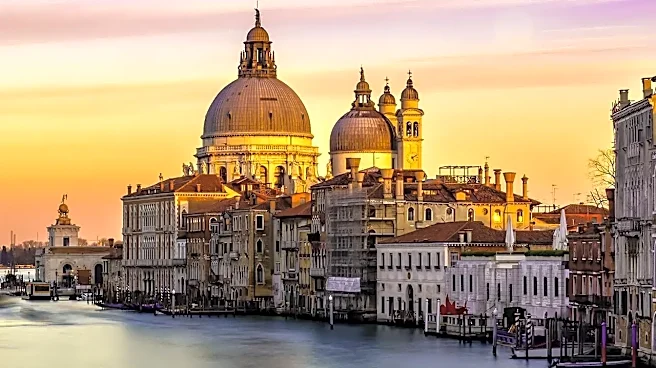
The 83rd Venice Film Festival, running from September 2 to 12, looks like a unified celebration of cinema. But behind the flashbulbs, it’s a tale of two industries. On one side, you have streaming giants like Netflix, which are premiering major films
like Danny Boyle’s “Ink” and Lee Chang-dong’s “Possible Love.” On the other, you have traditional players like Searchlight Pictures backing Martin McDonagh’s “Wild Horse Nine,” a film destined for a classic theatrical rollout. Both are using the exact same festival to achieve wildly different business objectives. For one, Venice is about building cultural cachet for a digital library; for the other, it’s about creating the critical momentum needed to sell tickets months from now.
For Streamers, It’s About Prestige
Why does Netflix, a company built on keeping you on your couch, spend a fortune to premiere a film at a physical festival? The answer is simple: prestige. For a movie to be taken seriously by audiences, critics, and—most importantly—awards voters, it needs to feel like a real movie. A splashy Venice premiere does just that. It separates a high-minded drama like “Possible Love” from the hundreds of other titles in the Netflix queue. This strategy has become essential for streamers to build brand credibility, attract A-list talent, and justify subscription costs. The festival circuit transforms a piece of content into a piece of art, making it a contender for the Golden Lion and, subsequently, the Oscars. Winning awards drives subscriptions and proves to filmmakers that a streaming service can be a home for legitimate cinema, not just disposable entertainment.
For Studios, It's About the Long Game
For a traditional studio release, a Venice premiere is the starting gun for a marathon, not a sprint. The goal of premiering a film like “Wild Horse Nine” is to build a long, sustained wave of buzz that will crest on its theatrical opening weekend in November. Strong reviews and audience reactions from the Lido create invaluable word-of-mouth among cinephiles and critics. This generates articles, discussions, and a general sense of anticipation that a marketing campaign alone can't buy. Martin McDonagh’s previous films, like “The Banshees of Inisherin,” used this exact playbook, premiering at Venice to build the critical acclaim that led to Best Picture nominations. The risk, of course, is that bad reviews can sink a film before it ever reaches the public, a fate some studio films have suffered in the past. But for a film with awards potential, the upside of a rapturous Venice debut is too great to ignore.
The Awards Race Starts Here
Ultimately, both roads lead to the same place: awards season. Venice is widely seen as the unofficial kickoff for the race to the Oscars. A strong showing here can position a film as a frontrunner. For a streamer, an Oscar nomination or win is a powerful marketing tool that adds permanent value to its entire service. For a traditional studio, awards extend a film's theatrical life, boost its box office, and cement its place in cinematic history. While major Hollywood studios seem to have slightly reduced their presence this year after some critical disappointments in the past, the festival remains a crucial launchpad. Both Netflix's premiere of “Ink” and the A24-backed film “Primetime” are already generating Oscar buzz. This proves that whether the film is designed to be clicked on or queued up for, the path to cinematic glory still runs through the historic islands of Venice.