

The Sonic Puzzle: Sound vs. Space
The biggest challenge for any multi-stage outdoor festival is sound bleed. You can't have the bass from one headliner drowning out a neighboring acoustic set. The most obvious solution is distance, but that comes with its own trade-off: forcing fans to
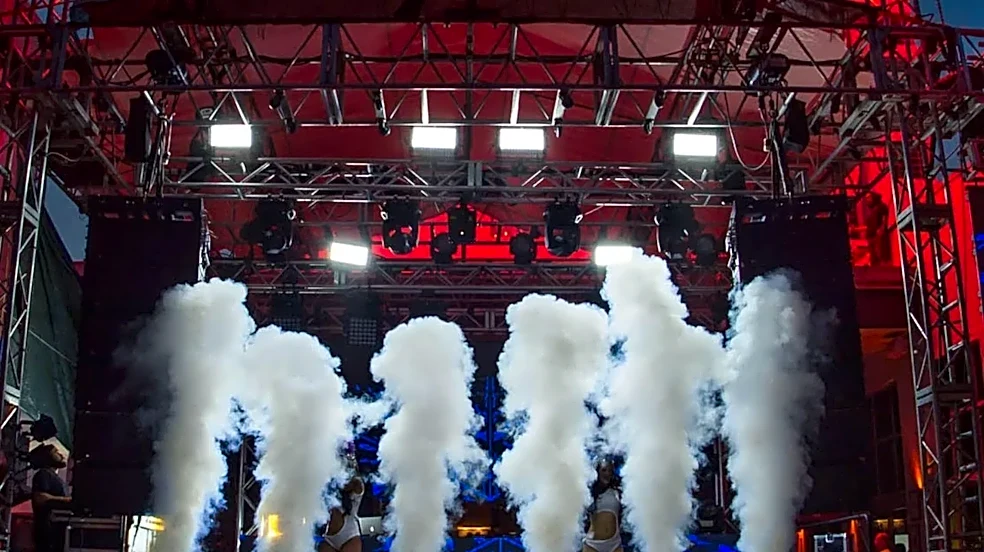
trek long distances between performances, potentially missing parts of sets. Camp Flog Gnaw, held at Dodger Stadium, uses a combination of smart layout and advanced technology to mitigate this. Stages are often positioned so they don't face each other directly, directing sound toward dedicated audience zones. Furthermore, modern sound systems use cardioid subwoofer arrays and digital processing to focus low-frequency energy on the crowd and cancel it out behind the stage, creating surprisingly clean audio zones even in relative proximity. It’s a constant negotiation between a comfortable attendee experience and pristine audio for each performance.
The Visual Gambit: Spectacle vs. Sightlines
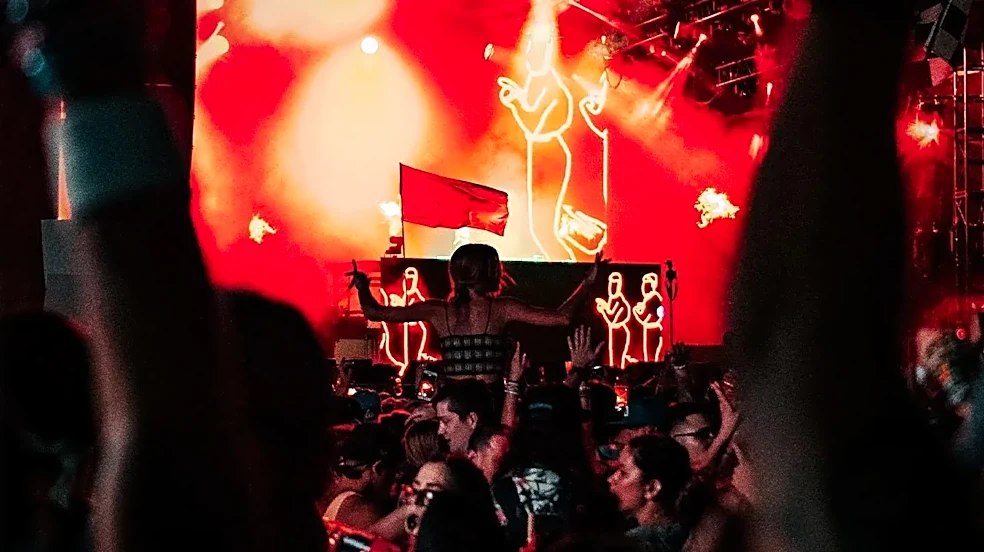
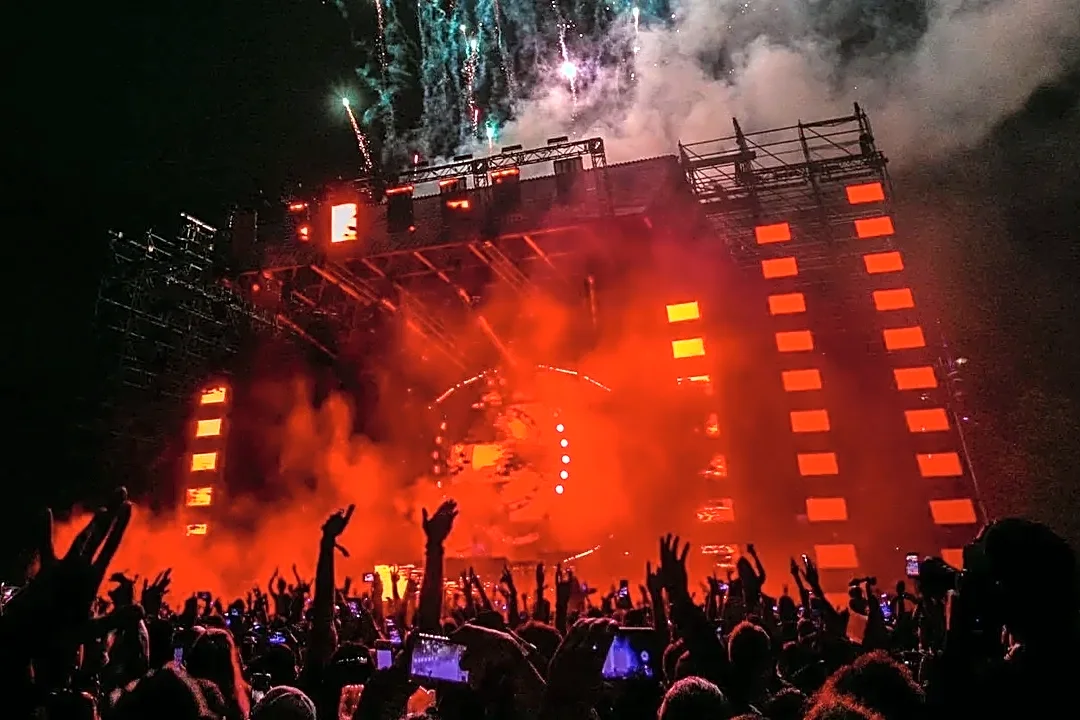
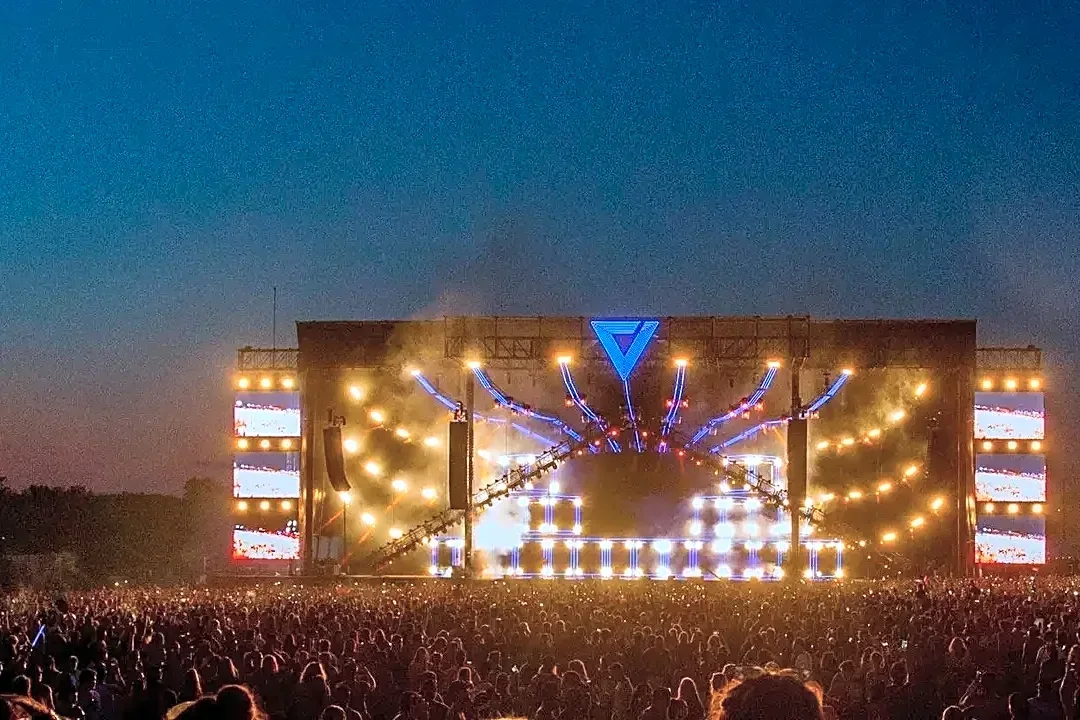
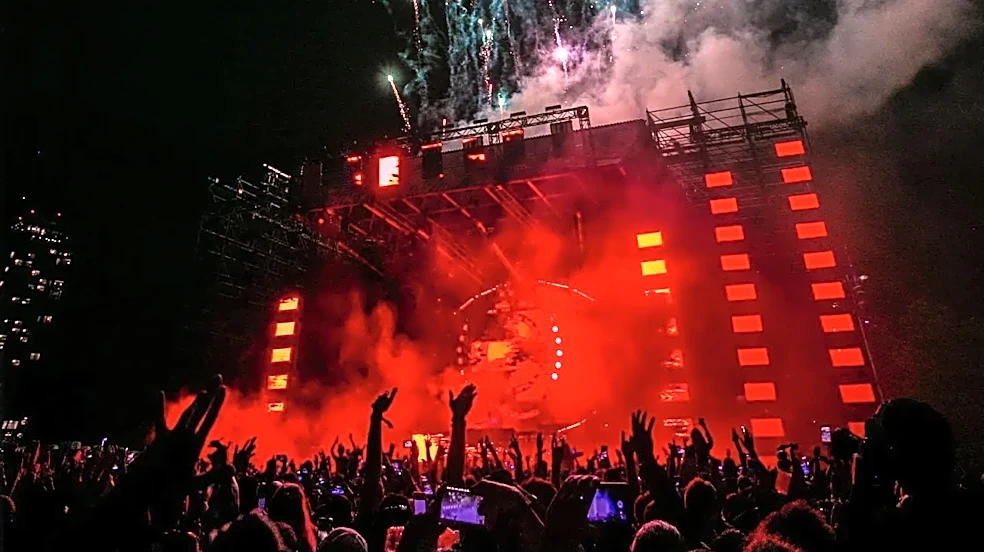
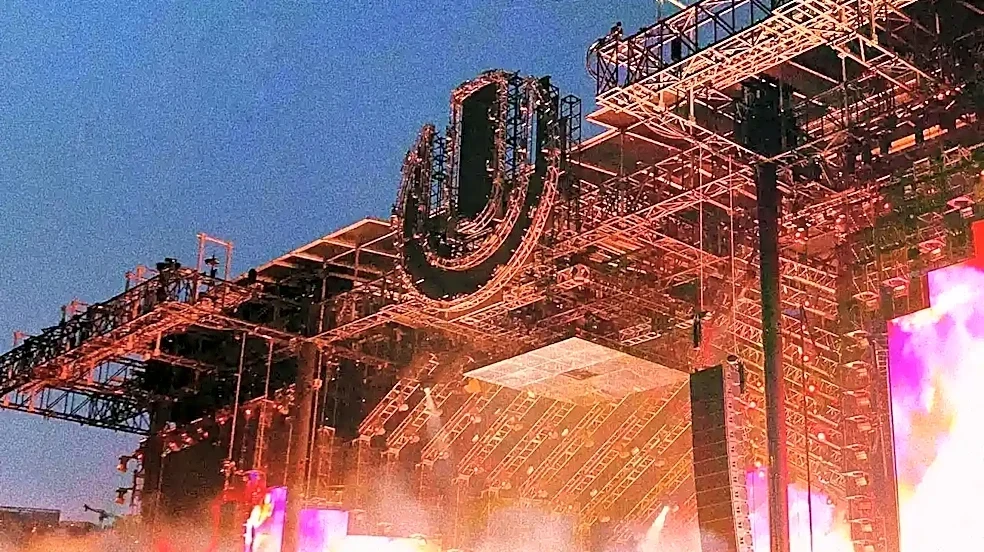
Tyler, the Creator's vision for Camp Flog Gnaw is immersive and theatrical. This often translates to elaborate stage designs, massive props, and stunning video screens. The trade-off here is between creating a grand, Instagrammable spectacle and ensuring that thousands of fans have a decent view of the actual performer. A massive, artistic set piece might look incredible, but it can easily block sightlines for anyone not standing directly in front of the stage. Production designers have to work carefully with artists to build sets that deliver visual impact without alienating a huge portion of the paying audience. This involves using raised stages, strategically placed video screens that mirror the on-stage action for those in the back, and designing lighting rigs that enhance, rather than obstruct, the view.
The Human Element: Crowd Flow vs. Experience
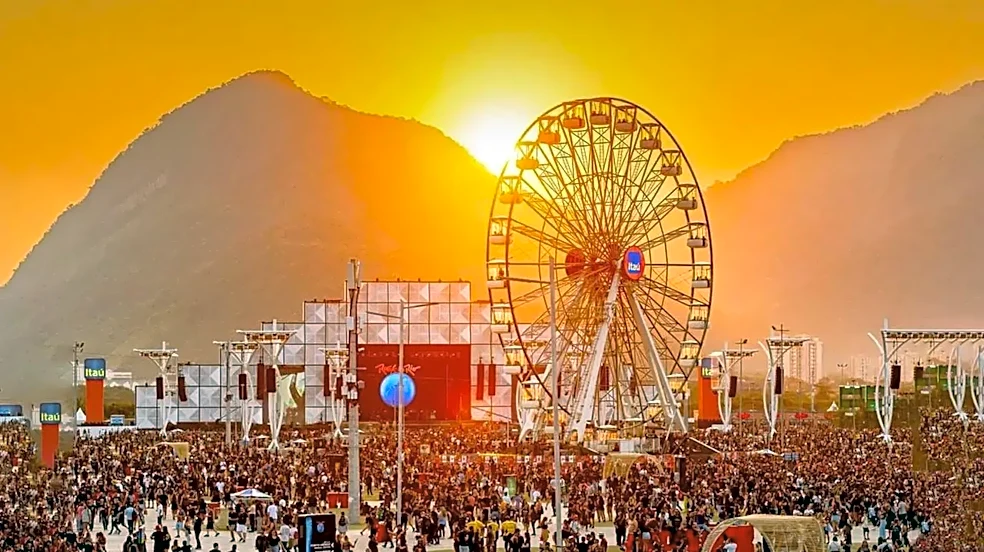
Managing tens of thousands of people is a science. The layout of the festival grounds at Dodger Stadium must create clear, wide pathways for attendees to move safely and efficiently between stages, restrooms, food vendors, and carnival rides. However, every square foot dedicated to walking paths is a square foot that can't be used for audience viewing areas or attractions. The trade-off is between comfort and capacity. Organizers also have to balance attendee convenience with the critical need for secure backstage areas for artists and crew. This complex zoning ensures that while fans navigate the festival's 'front of house,' a whole separate logistical operation can run smoothly behind the curtain. The placement of every booth and barrier is a deliberate choice aimed at preventing dangerous bottlenecks and keeping the human traffic moving.
The Vibe Check: Intimacy vs. Scale
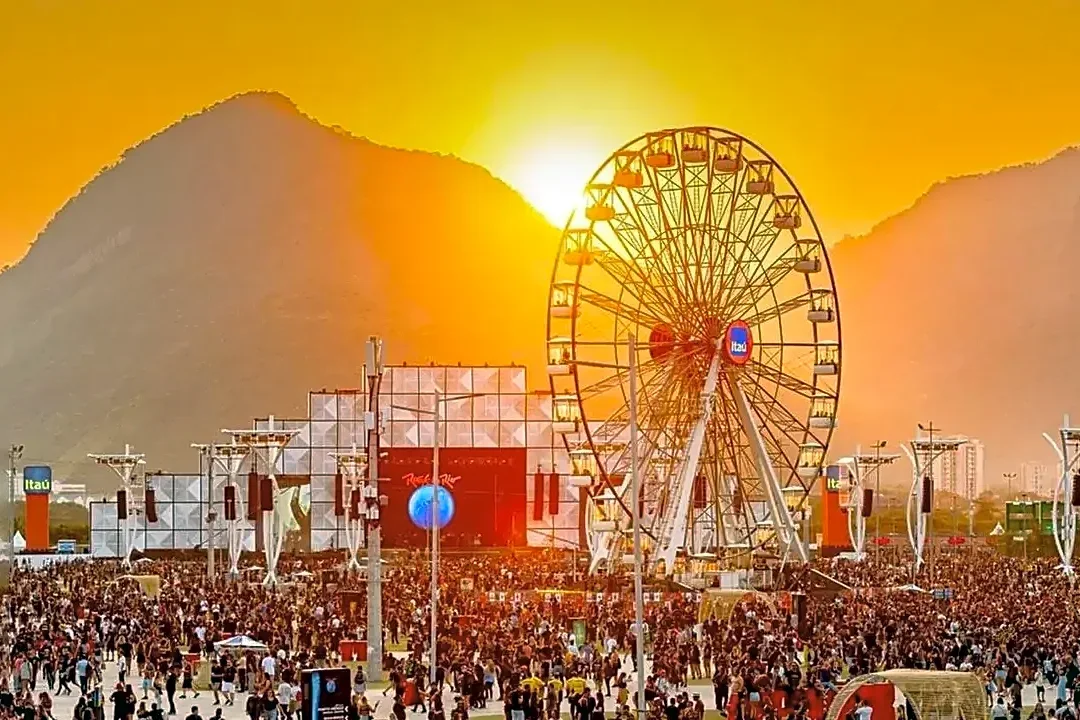
From its early days, Camp Flog Gnaw cultivated a unique feeling of community, like a block party for 'weird kids' and outsiders. As the festival has grown into a massive two-day event, the single biggest trade-off is maintaining that curated, intimate vibe at a much larger scale. It’s a battle between accommodating massive demand and preserving the boutique feel that made the event special. This is managed through careful curation that extends beyond the musical lineup. The inclusion of carnival games, a Ferris wheel, and art installations are all deliberate choices designed to foster a sense of shared experience and personality that transcends a typical concert. It’s an acknowledgment that as the space grows, the festival must offer more diverse points of connection to prevent the crowd from feeling like an anonymous mass.