







1. Heavyweight Canvas
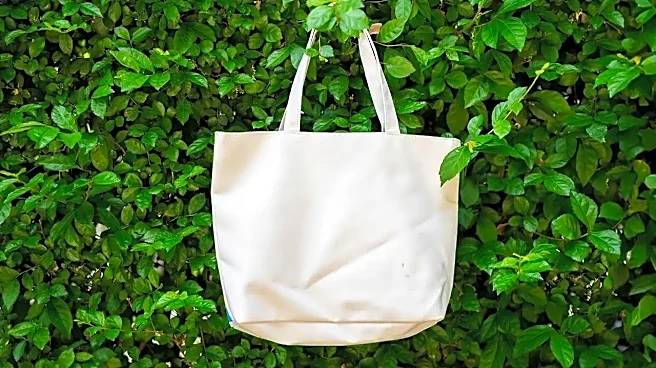
The most fundamental clue is the fabric itself. Canvas weight is measured in ounces per square yard, and a higher number means a thicker, more durable material. Lightweight bags (under 10 oz) might feel soft but are prone to tearing. For a tennis tote
that needs to haul rackets, balls, and water bottles, look for a mid-to-heavyweight canvas, ideally in the 12 oz to 24 oz range. An 18 oz canvas, for instance, is often considered optimal for a bag that can stand on its own and resist abrasion. This density ensures the bag holds its shape and can withstand being tossed in your car or set down on rough surfaces.
2. Reinforced Stitching
Seams are the primary failure points on most bags. A quality tote won’t be held together with a single, simple line of thread. Inspect the seams, especially around the handles and at the bottom. Look for double-stitched or even triple-stitched seams, which distribute stress across more fabric and thread. High-stress areas should feature additional reinforcement like bar tacks—a series of tight zigzag stitches—to prevent handles from ripping away from the bag’s body under a heavy load.
3. Solid Metal Hardware
Pay close attention to zippers, rivets, and D-rings. Hardware made from solid brass or stainless steel is a hallmark of quality, prized for its strength and resistance to corrosion. Cheaper bags often use zinc alloy, which looks shiny when new but can corrode, tarnish, or even snap under pressure. A quick way to test this in-store is by feel; quality brass hardware has a noticeable heft compared to lightweight zinc. For zippers, look for a reputable brand like YKK, a benchmark for reliability.
4. Substantial Handle Construction
Handles do the heavy lifting, so their construction is critical. The straps should be made from thick, wide webbing or multiple layers of canvas. This not only adds strength but also makes the bag more comfortable to carry. More importantly, check how the handles are attached. The most durable designs feature handles that wrap all the way around and under the bottom of the bag. This continuous loop design supports the bag's contents from below, placing far less stress on the stitching that attaches the handles to the side walls.
5. A Gusseted Bottom
A gusset is an extra panel of fabric sewn in to add depth and structure to a bag. A tote with a bottom gusset will have a flat base that allows it to stand upright on its own, making it easier to pack and access your gear. This feature not only provides more space but also adds a layer of stability and durability, preventing the bag from becoming a shapeless sack. Some high-end totes even feature a double-layer base for maximum strength where the bag experiences the most wear.
6. Finished Interior Seams
Turn the tote inside out. On a cheaply made bag, you’ll likely see raw, fraying fabric edges along the seams. A superior bag will have finished seams. This can be done by binding the raw edges with twill tape or by using a flat-felled seam, where the raw edges are folded and stitched into the seam itself. This meticulous finishing detail prevents the canvas from unraveling from the inside out over time, dramatically extending the life of the bag.
7. Water-Resistant Treatment
While not essential for every user, a water-resistant finish is a significant upgrade. Some high-quality canvas totes are made from waxed canvas, where paraffin or beeswax is infused into the fabric. This treatment causes water to bead up and roll off rather than soak in, protecting your gear from light rain or damp surfaces. Waxed canvas is also known for its enhanced abrasion resistance and ability to develop a unique, attractive patina over time.
8. Purposeful Pockets
Durability isn’t just about materials; it’s about thoughtful design that stands up to real-world use. For a tennis tote, well-placed pockets are a sign of quality construction. Look for a lined interior pocket for your phone or sunglasses, an easily accessible exterior slip for a water bottle, and perhaps a dedicated compartment for shoes. These features show that the manufacturer considered how the bag would be used and reinforced it accordingly, rather than just sewing a simple pouch.
9. Riveted Stress Points
Beyond stitching, the most robust bags often use metal rivets to fortify key stress points. Look for them at the corners of the bag's opening and where the handles are anchored to the body. These small metal fasteners, often made of copper or brass, provide a powerful mechanical reinforcement that is far stronger than thread alone. They prevent the pulling force of a heavy load from tearing the fabric, ensuring the bag's major connection points hold firm for years.